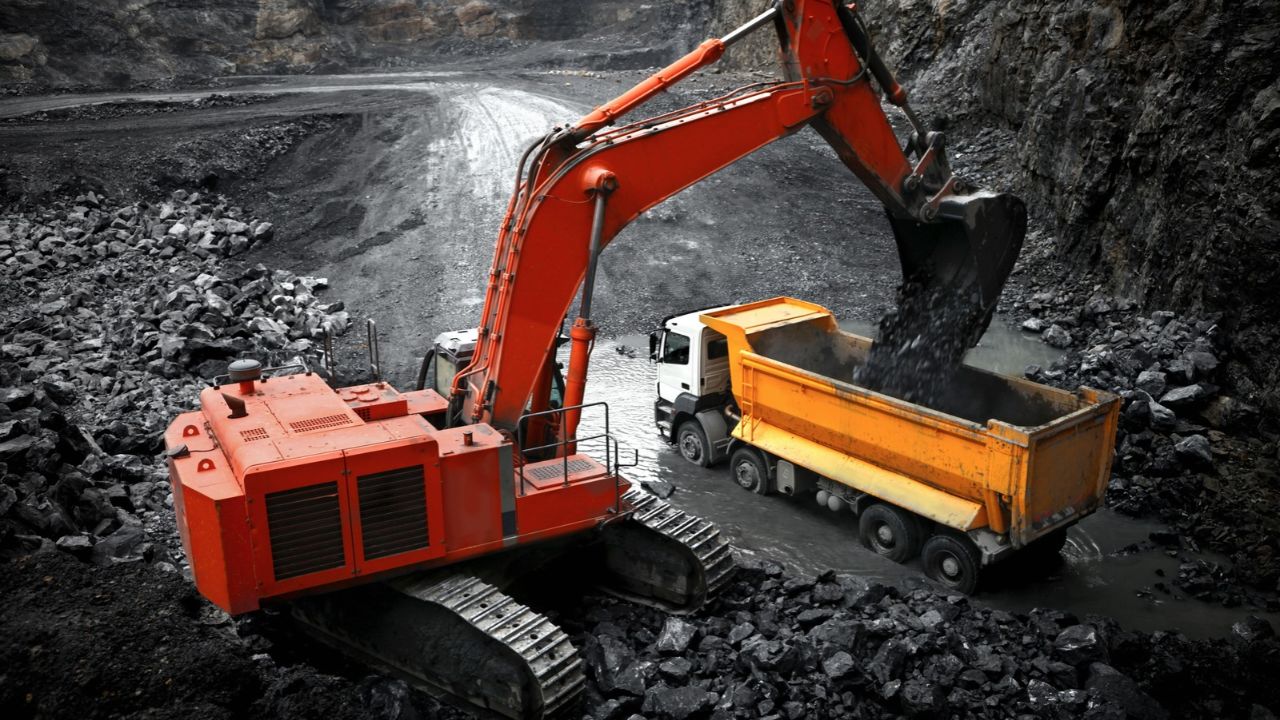
Mines, quarries and large construction sites run around the clock, and the people operating heavy equipment work long rotations through the night. A fatigue monitoring system built for road fleets doesn’t always fit that world. This guide covers what makes site fatigue different and what HSE and site managers should look for.
Key takeaways
- On mine, quarry and construction sites, fatigue is driven by 12-hour shifts, night rotations and repetitive work, not by distance driven.
- Risk is not limited to drivers: control rooms, maintenance crews and fixed-plant operators are exposed too.
- A fatigue monitoring system for sites must work off-road, offline and alongside PPE, and fit the site’s fatigue management plan.
- The buyer is usually the HSE or site manager, so the case rests on risk control and compliance, not fleet metrics.
Why site fatigue is different
On-road fatigue is mostly about hours behind the wheel. On site, it comes from the roster itself: 12-hour shifts, nights and repeated swings between them.
💡 Key insight: On site, the most dangerous hours are predictable: the pre-dawn low on night shift and the first nights after a swing. That makes them a good place to focus monitoring.
It’s not only the drivers
Heavy equipment operators carry obvious risk, but fatigue affects every role that keeps a 24-hour site running:
On-road fleets vs heavy equipment and mining
The underlying problem is the same. Almost everything around it is different:
| On-road fleets | Heavy equipment & mining | |
|---|---|---|
| Operator | Truck, van, bus or coach driver | Plant operators, plus non-driving roles |
| Environment | Public roads, varied traffic | Haul roads, pits, sites: dust, vibration, noise |
| Shift pattern | Driving and rest time limits | 12-hour shifts, night rotations, fly-in fly-out |
| Main fatigue driver | Long driving hours, night runs | Circadian disruption, monotony, accumulated sleep loss |
| Connectivity | Mobile coverage most of the route | Patchy or private networks |
| Buyer | Fleet or transport manager | HSE or site manager |
| Framework | Drivers’ hours rules | Site fatigue management plan and safety rules |
📘 Read more: how fatigue monitoring works for road fleets, with a full technology overview, in our guide to driver fatigue monitoring systems.
What to look for in a fatigue monitoring system for sites
In most mining jurisdictions, fatigue is a recognised hazard that operators must manage within their safety management system. Monitoring technology should support that system, not sit beside it:
- Alerts on the device, without relying on network coverage
- Works in dust, vibration, glare and darkness
- Compatible with your PPE and cab layouts
- Covers non-driving roles, not only vehicles
- Early warning, before visible signs of fatigue
- Data that supports your fatigue management plan
- Clear supervisor response when an alert fires
- Privacy terms the workforce and unions accept
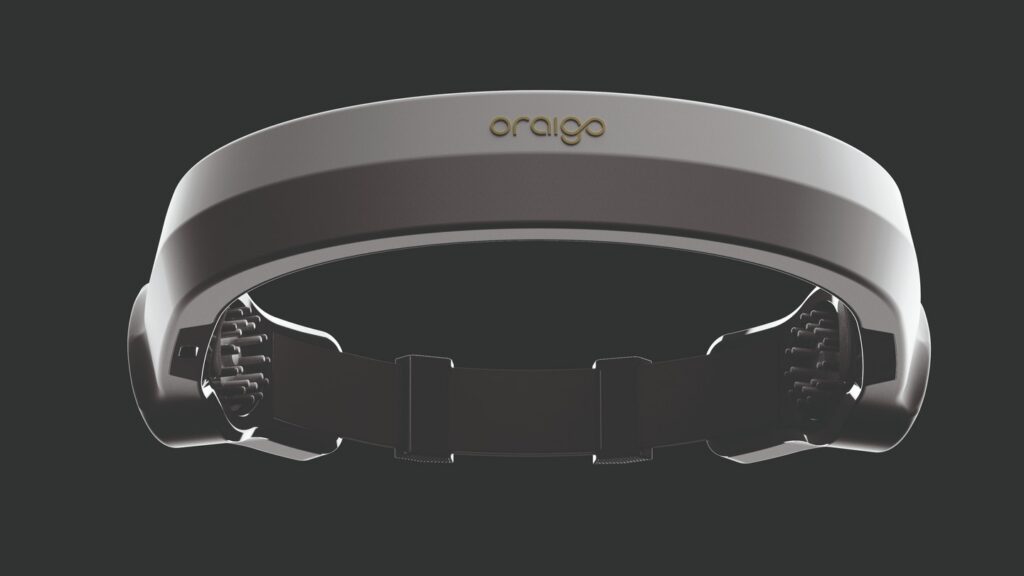
Camera-based systems can work in fixed cabs, but they struggle with dust, glare and roles outside a vehicle. Wearable, physiological systems follow the person instead of the machine.
📘 Read more: the differences between camera-based and camera-free monitoring in Driver Monitoring Systems: Camera-Based vs Camera-Free.
Rolling it out on site
💡 Key insight: Treat fatigue monitoring as one control in your fatigue risk management plan, alongside roster design, rest facilities and education. On its own, no technology replaces good rostering.
More on building controls into your safety system in Fleet Risk Management: Identify, Reduce and Prevent Risk.
Bring early fatigue detection to your site
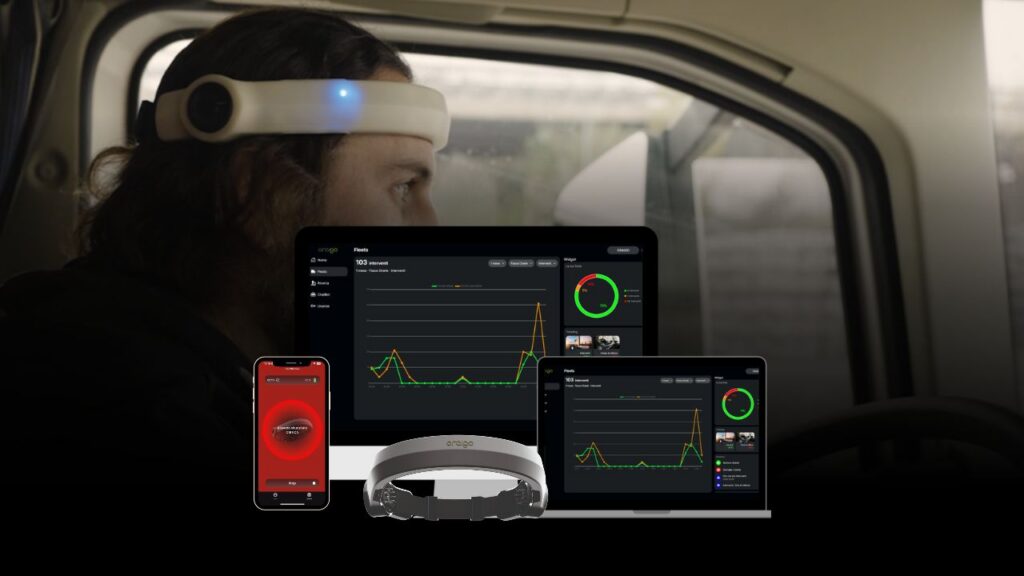
Oraigo’s EEG headband detects fatigue at its source, before visible signs appear, with no camera and anonymous data. It follows the operator, not the machine. Start a free pilot with one crew or talk to one of our specialists.