A driver monitoring system (DMS) is technology that detects when a driver is drowsy, distracted or otherwise not fit to drive, and alerts them before it leads to a crash. The term covers very different technologies, from cameras that watch the driver’s face to wearables that read brain activity and software that analyses steering.
This guide maps the category: what a DMS detects, how camera-based and camera-free systems differ, what each means under GDPR, and where fatigue monitoring fits.
Key takeaways
- A driver monitoring system (DMS) detects when a driver is drowsy, distracted or otherwise not fit to drive, and alerts them in real time.
- There are two families: camera-based systems that watch the face, and camera-free systems that read the body (EEG) or the vehicle.
- Cameras lead on distraction; EEG leads on fatigue, catching drowsiness before visible signs.
- Under GDPR, face video carries the heaviest compliance load. Camera-free systems on anonymous data carry much less.
What a driver monitoring system detects
Most systems focus on one or more of four risks:
No single technology covers all four equally well. That’s why understanding the two main families matters before comparing any products.
The two families: camera-based vs camera-free
Every DMS falls into one of two families, depending on where it gets its signal:
Camera-based systems
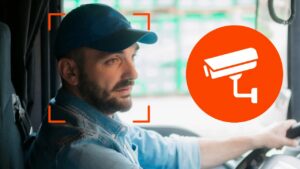
A driver-facing infrared camera tracks the eyes, face and head. Algorithms measure how long the eyes stay closed, how often the driver yawns or nods, and where they’re looking. It’s passive, with nothing to wear, and strong on distraction. The trade-offs: it only sees fatigue once it shows on the face, sunglasses and lighting can affect it, and it films the driver.
Camera-free systems
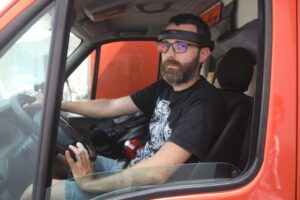
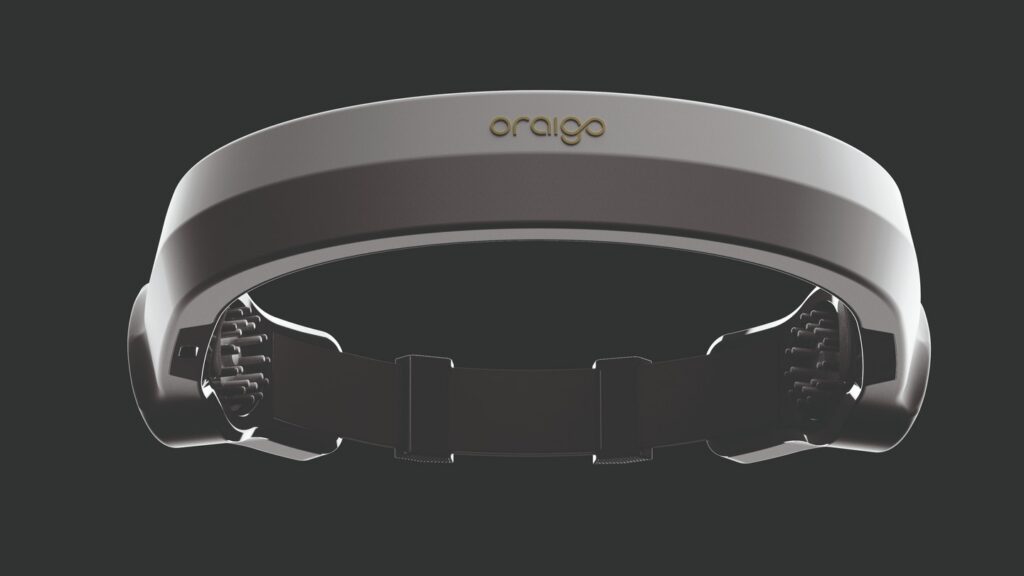
These don’t point a lens at the driver. EEG wearables read the brain’s electrical activity and detect the shift toward drowsiness before any outward sign. Vehicle-based systems infer the driver’s state from steering and lane data. Other wearables use physiological signals such as heart rate as indirect markers. The trade-offs: wearables must be worn each shift, and neither EEG nor vehicle data detects phone use.
Capability comparison
Here’s how the three main approaches compare on what fleets ask about most:
| Capability | Camera-based | EEG wearable | Vehicle-based |
|---|---|---|---|
| Detection | |||
| Visible drowsiness (blinks, nodding) | |||
| Drowsiness before visible signs | |||
| Microsleeps | |||
| Gaze & visual distraction | |||
| Phone use & behaviours | |||
| Practicalities | |||
| Unaffected by sunglasses & lighting | |||
| Nothing for the driver to wear | |||
| Works in any vehicle (retrofit) | |||
| Privacy | |||
| No video of the driver | |||
| Can run on anonymous data | |||
📘 Read more: a scored comparison of lead time, privacy and driver acceptance in Driver Drowsiness Detection: How EEG and Cameras Compare.
GDPR implications
In Europe, monitoring an identifiable driver is processing personal data, and the type of data shapes your obligations. A camera that films the driver’s face carries the heaviest load. Physiological signals can count as health-related data if they’re tied to a named person, which is why how a system handles data matters as much as what it measures.
Whichever system you choose, these steps form the baseline:
💡 Key insight: Privacy isn’t only a compliance issue. Drivers who feel watched resist monitoring, and a system nobody uses protects nobody. Camera-free, anonymised systems remove one of the biggest barriers to adoption.
Where fatigue monitoring fits
Fatigue monitoring is one part of driver monitoring, alongside distraction monitoring, and it’s the part where the choice of technology makes the biggest difference:
Fatigue contributes to around 20% of fatal road accidents, according to the European Road Safety Observatory. For fleets where it’s the main risk, such as long-haul, night and regional routes, detecting fatigue at its source rather than at the symptom stage is the deciding factor. Learn more in Driver Fatigue: Causes, Signs and How Fleets Monitor It.
Which type is right for your fleet?
- You need phone-use and distraction evidence
- Video clips matter for incident review
- You can manage the GDPR and consultation work
- Fatigue is your main risk: long-haul, nights
- Drivers or works councils resist cameras
- You want early warning and anonymous data
- You face both fatigue and distraction risk
- You want EEG for early warning and cameras for distraction
- Budget allows a multi-layer setup
Ready to compare specific systems? See our guide to driver fatigue monitoring systems for a procurement checklist and pilot framework.
Frequently asked questions
What is a driver monitoring system?
A technology that checks whether a driver is alert and paying attention, and warns them, and often the fleet, when they aren’t. It can use a camera, a wearable sensor or vehicle data.
Is a driver monitoring system mandatory?
In the EU, the General Safety Regulation requires drowsiness and attention warning systems on new vehicles, with advanced distraction warning following. Existing vehicles aren’t covered, so many fleets retrofit a system.
Do driver monitoring systems record video?
Camera-based systems capture video of the driver, and many store clips of events. Camera-free systems, such as EEG wearables, record no video at all.
Are camera-free systems GDPR compliant?
Any system that monitors identifiable drivers falls under GDPR. Camera-free systems designed to anonymise data and link it to the fleet rather than the individual make compliance considerably simpler, but you should still run a DPIA and inform drivers.
See a camera-free DMS in action
Oraigo’s EEG-based system monitors fatigue with no camera and anonymous data. Start a free pilot or talk to one of our specialists.