Every driver drowsiness detection system tries to answer the same question: is this driver about to lose attention? But the systems on the market look in very different places for the answer. Some read the brain, some watch the face, and some analyse how the vehicle is being driven.
For fleet managers evaluating the options, those differences decide how early a warning arrives, what data is collected and whether drivers accept the system at all. This guide compares the three approaches side by side, using the same criteria for each.
Key takeaways
- Driver drowsiness detection uses three main signals: brain activity (EEG), the face (cameras) and driving behaviour (steering and vehicle data).
- They fire at different moments: EEG picks up the change at its source, cameras when it becomes visible, vehicle signals once driving has already degraded.
- On privacy, the methods differ most: cameras record the driver’s face, while EEG works without any camera and with anonymous data.
- No method is perfect. EEG requires a wearable; vehicle signals come built in but warn late; cameras add distraction data at a privacy cost.
Three ways to detect driver drowsiness
Drowsiness develops in stages: first in the brain, then in the face and body, and finally in the way a person drives. Each detection method observes one of those stages.
- Brainwave changes linked to drowsiness
- Microsleeps and attention drops
- No camera, no video
- Eyelid closure (PERCLOS) and blink length
- Yawning and head nodding
- Often also gaze and phone use
- Steering corrections and reversals
- Lane position and drifting
- Driving time without breaks
When each method raises the alarm
Because each method watches a different stage, each one warns at a different point on the path from alert to microsleep. The earlier the warning, the more time a driver has to react, take a break or stop.
Cameras detect drowsiness reliably once it shows: long blinks, drooping eyelids, yawns. Steering and lane-based systems react later still, as they depend on driving performance having already changed. EEG measures the brain directly, so it can pick up the shift before any outward sign appears.
The scoring table: EEG vs camera vs vehicle signals
We scored each method from 1 to 5 on six criteria that matter in a technical evaluation. The highlighted column is EEG.
| Criterion | EEG | Camera | Vehicle signals |
|---|---|---|---|
| What it measures | ●●●●● | ●●● | ●● |
| Warning lead time | ●●●●● | ●●● | ●● |
| Robustness | ●●●● | ●●● | ●● |
| Privacy | ●●●●● | ●● | ●●●● |
| Driver acceptance | ●●●● | ●● | ●●●●● |
| Deployment | ●●● | ●●● | ●●●● |
| Total score | 26 / 30 | 16 / 30 | 19 / 30 |
💡 Key insight: Each method leads on a different criterion. Vehicle signals win on acceptance and ease, cameras add distraction data, and EEG leads on lead time and privacy. The right choice depends on which of these your fleet values most.
Privacy: the deciding factor for many fleets
For many operators, privacy is where the evaluation is won or lost. A driver-facing camera records the driver’s face, which is personal data under GDPR. That typically means a data protection impact assessment, clear retention rules and, in many countries, agreement with works councils or unions.
EEG takes a different route. It measures only the brain’s electrical signals, records no video and keeps data anonymous and linked to the company, not the individual: GDPR by design. Fleet managers see risk by fleet and time window, not a video feed of a named driver.
📘 Read more: a detailed breakdown of the two sensor approaches on our EEG vs cameras page.
Driver acceptance: will it actually be used?
A detection system only works if drivers accept it. Vehicle-signal systems score best here because they’re invisible. Cameras score worst: being filmed for hours at a time is often felt as surveillance, and drivers who feel watched look for ways around the system.
EEG sits in between. Putting on a headband is an extra step each shift, but there is no lens pointed at the driver, and the alert goes to the driver first. The decision about what to do next stays with them.
What EEG brings to the comparison
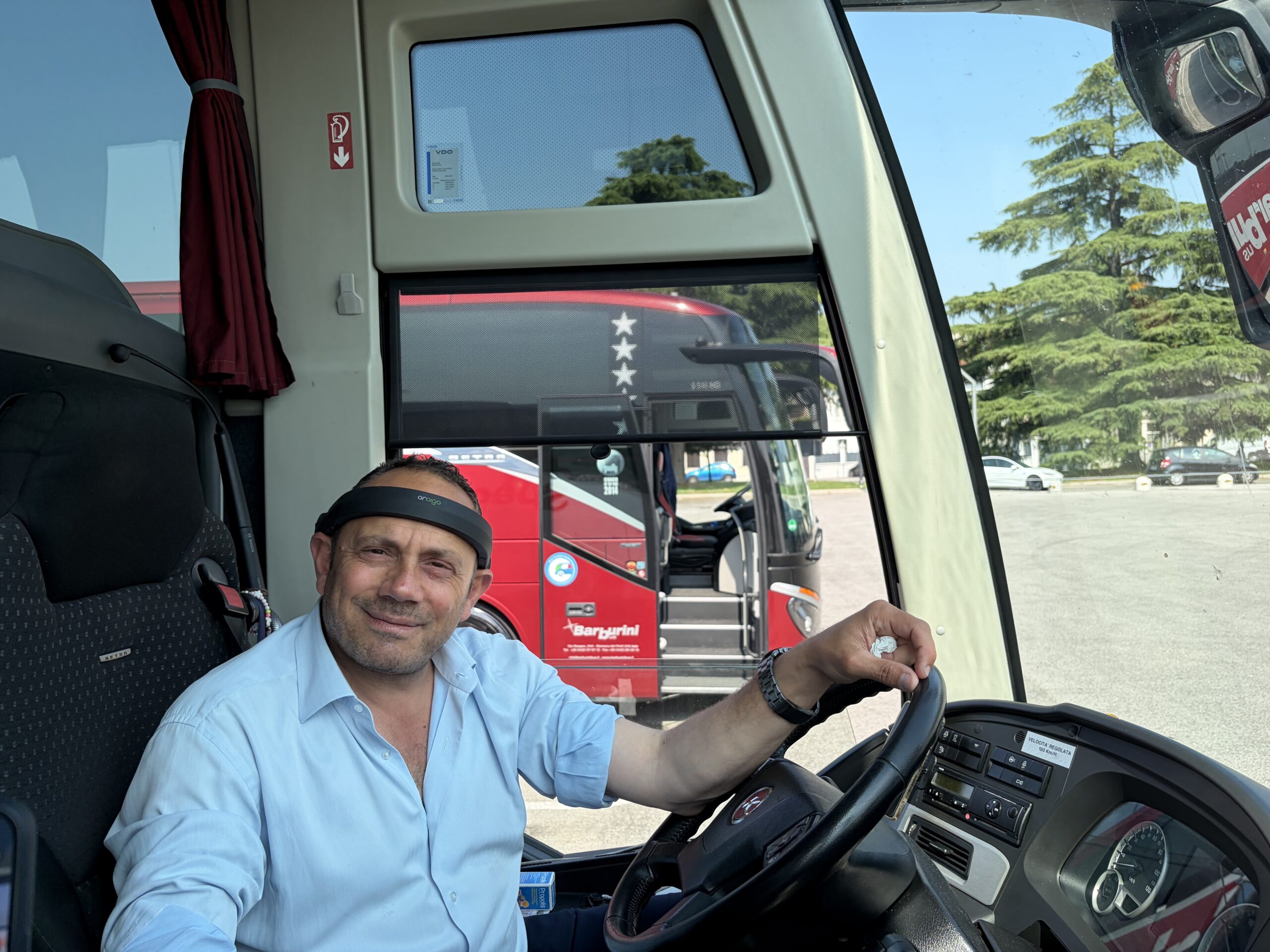
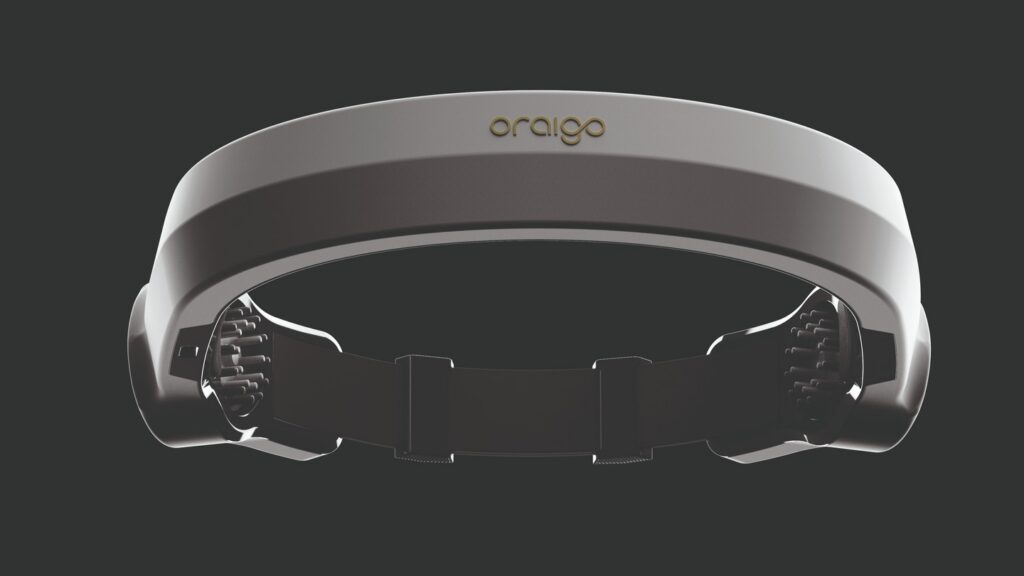
EEG is widely used as a reference method for drowsiness in research. Oraigo’s Aigo headband brings it into the cab, with these results from real driving:
The trade-off is the wearable itself: drivers need to put it on and position it correctly. In exchange, fleets get the earliest warning of the three methods, a system that works the same at night or in sunglasses, and no video at all.
Which method fits your fleet?
The methods aren’t mutually exclusive. Many fleets will run vehicle-based warnings on new trucks anyway and add a second layer where risk is highest.
Where regulation fits in
Under the EU General Safety Regulation (GSR II), new vehicles must be fitted with a driver drowsiness and attention warning (DDAW) system. The rule sets a performance requirement rather than a technology, and it only applies to new vehicles: the trucks already in your fleet aren’t covered, which leaves a gap that retrofit solutions have to fill.
📘 Read more: what GSR II and DDAW mean for your fleet on our GSR II and DDAW page.
Choosing a driver drowsiness detection system
Start with your priorities. If you need a baseline on new vehicles, built-in vehicle signals cover it. If distraction evidence is essential and you can manage the privacy obligations, cameras add that layer. If you want the earliest possible warning without filming your drivers, EEG is the method built for it.
Want to see how EEG performs on your routes? Start a free pilot or talk to one of our specialists.