
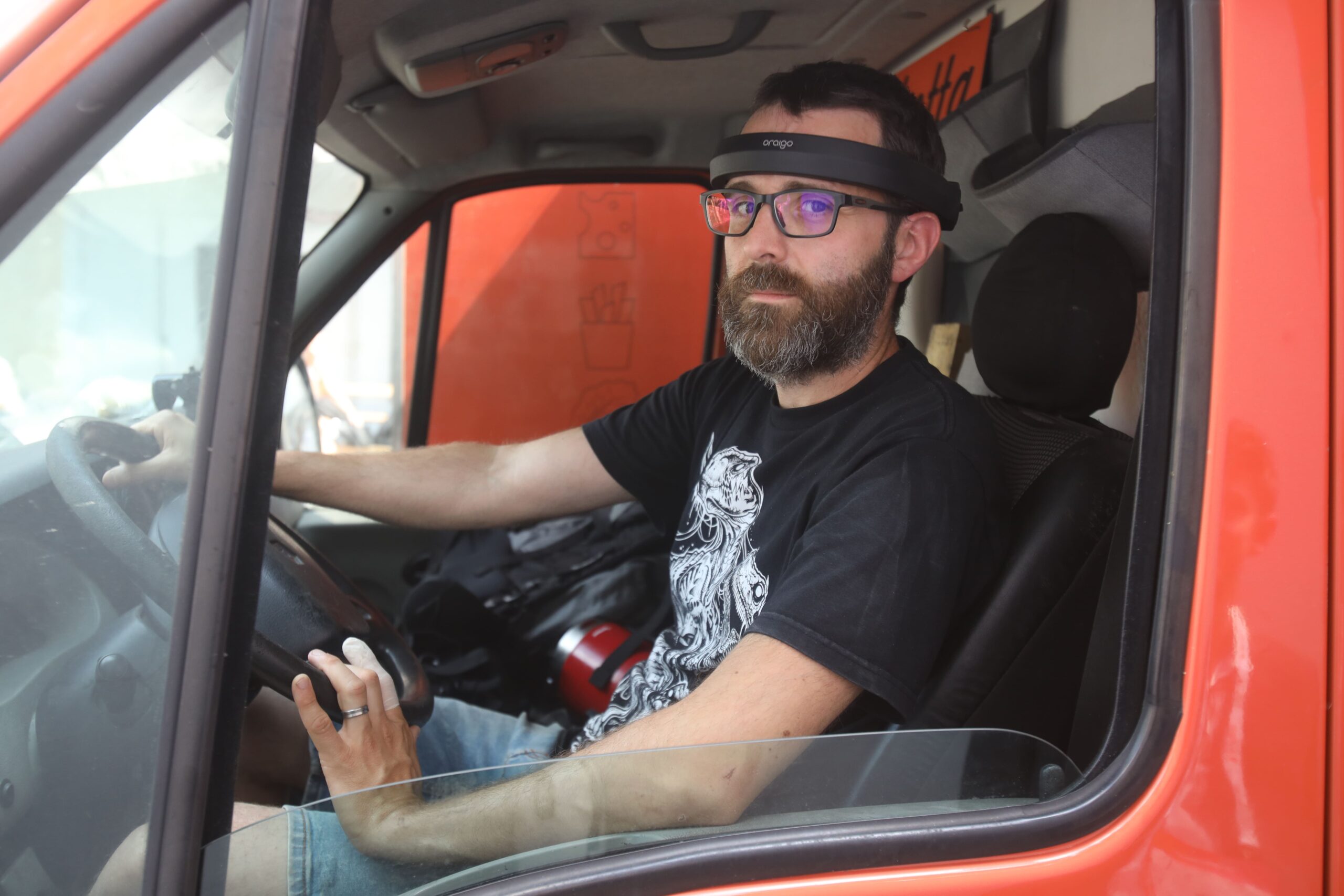
Night restocking, tight delivery windows and urban traffic concentrate stress in the least favourable hours. Oraigo recognises the drop in attention without slowing deliveries.
Risk in retail does not depend only on distance, it depends on the hours and the operational constraints of the sector.
To find stores ready to receive and the roads clear, drivers often work at night, in the most critical band for biological alertness.
Rigid schedules push drivers not to stop even when a break would be needed, adding pressure and fatigue at the wrong moment.
City driving, made of constant stops, tires and keeps tension high throughout the shift, a different kind of fatigue, but just as real.
The system brings safety without affecting timing, it works in the background and warns only when needed.
Go flags the risk discreetly, leaving the driver the decision on when to stop, without jeopardising the delivery schedule.
Fleets shows in which bands the risk is highest, a useful basis for organising rounds, breaks and shifts around the delivery windows.
Prevention fits into the workflow without adding steps, it does not slow deliveries.
Concentrating prevention where the risk is highest, at night and at dawn, makes the action more effective.
The data comes from the device worn by the driver. No changes to the vehicles, zero operational downtime.
An agreed period on your fleet, Aigo, Go and Fleets, with no commitment and with data processed responsibly. At the end we assess the results together.
No. It works in the background and requires no interaction during driving or deliveries.
Yes. Night driving is the highest-risk band, and that is where the advance warning has the most value.
No. The data comes from the device worn by the driver, with no work on the vehicles.