
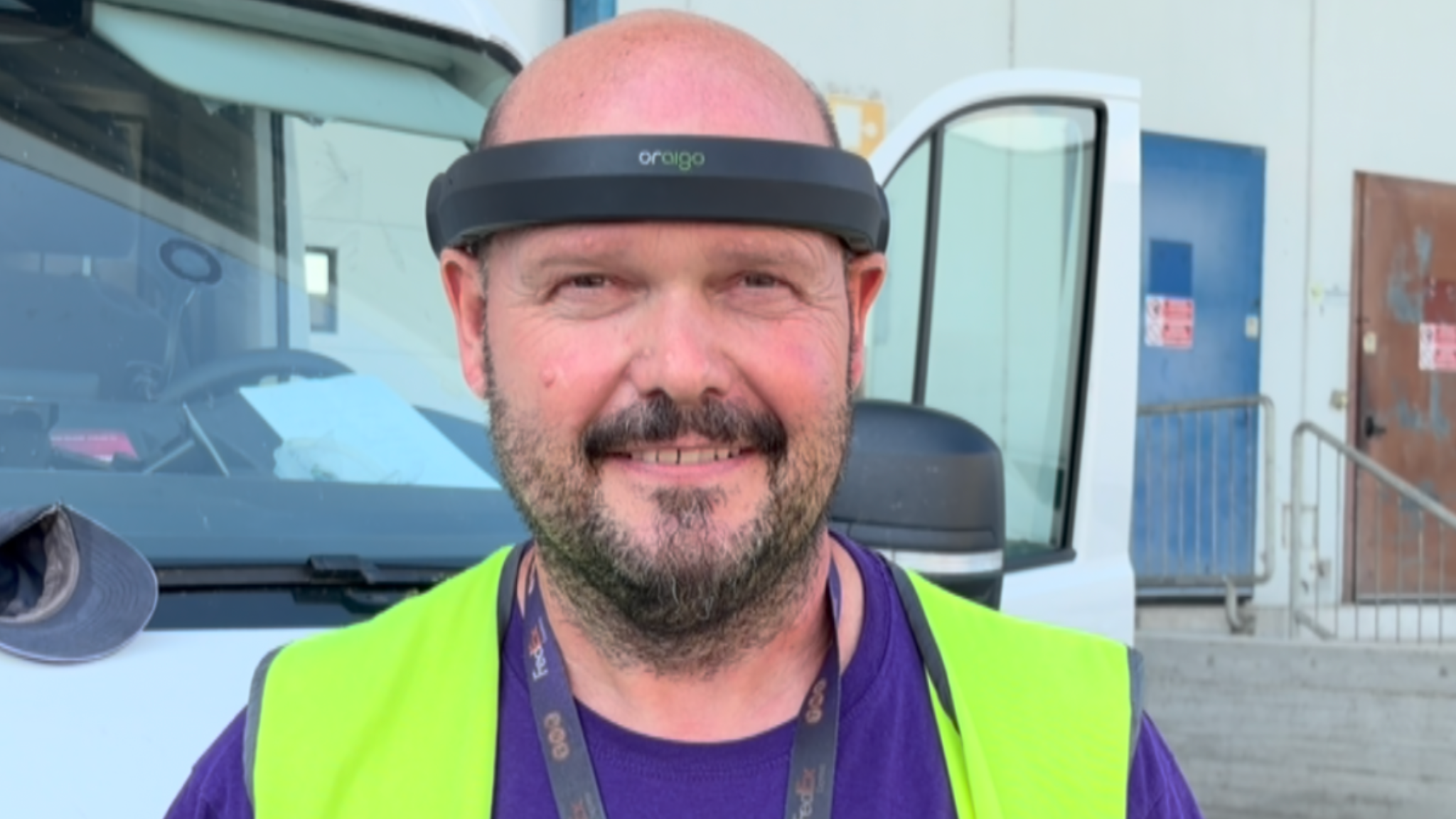
Sensitive loads, demanding clients, a premium image. In this sector the driver’s professionalism is part of the product, and fatigue monitoring becomes a mark of quality.
Cash-in-transit has features that make fatigue monitoring a natural part of the offering.
The nature of the load demands high clarity for the whole duration of the service, including during waits and downtime between one point and the next.
In a premium service, showing active care for safety strengthens client trust. Attention to alertness is part of the perceived value.
Fatigue monitoring works alongside the safety measures already in use, completing the offering without overlaps.
In this sector safety is not just an obligation, it is a selling point. Demonstrating it with objective data is worth more than any statement. Traditional systems do not measure driver fatigue. Oraigo adds exactly this, measurable and documentable.
The system integrates with existing measures, adding what was missing: an objective reading of the driver’s alertness.
Aigo flags the drop in attention, contributing to the continuity and safety of transport, even in the longest shifts and prolonged waits.
Fleets provides a reading of fatigue risk that can be part of the value proposition presented to the client, concrete data, not claims.
Attention to alertness becomes a concrete argument toward clients who demand the utmost in reliability and professionalism.
Fatigue monitoring completes the systems already adopted, without creating overlaps or operational complexity.
The device is lightweight and alerts are designed not to interfere with driving or active duty—no surveillance.
Technology developed by Oraigo research
Minutes of real-world driving analysed
Potential accidents avoided: system alerts issued during real-world driving
Internal study on microsleep detection
An agreed period on your vehicles, with no commitment. At the end we analyse the results together.
Yes. Fatigue monitoring is complementary and works alongside existing measures, without replacing them.
Yes. Attention to the driver’s safety is part of the perceived quality in this type of service.
No. The device is light and the alert is discreet, designed not to interfere with driving.