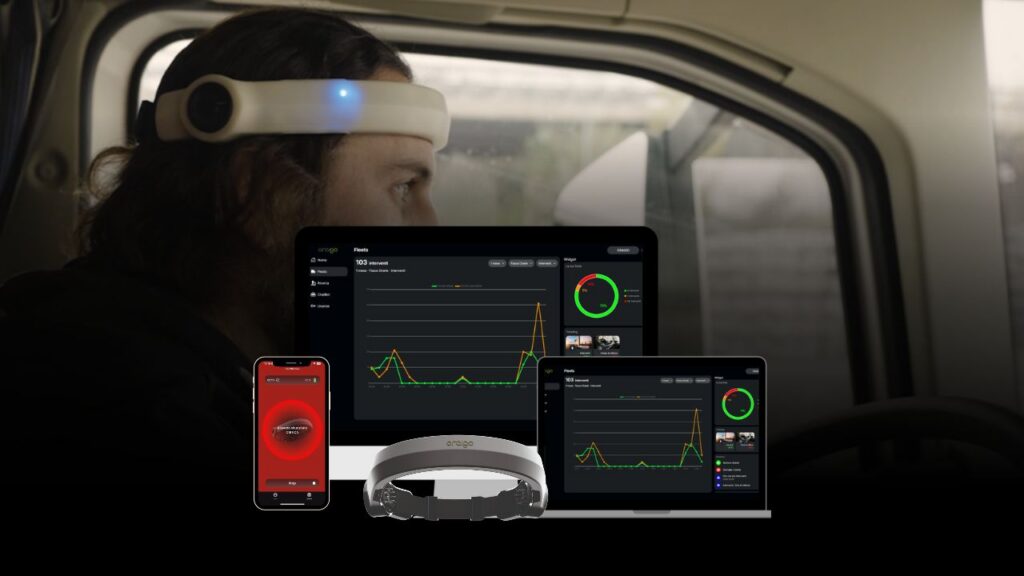

Driver fatigue detection in the UK starts with compliance. Drivers’ hours, working time rules and the employer’s duty of care all set expectations on how fatigue is managed, and the DVSA and Traffic Commissioners enforce them. This guide covers the rules first, then which detection systems fit UK fleets.
Key takeaways
- UK fleets face three layers of fatigue compliance: drivers’ hours, working time and the employer’s duty of care.
- The DVSA enforces hours and records, and serious or repeated failures can put an operator’s O-licence at risk.
- No UK law requires driver fatigue detection, but it gives operators evidence that they manage fatigue as a risk, not just hours.
- Choose systems that fit UK GDPR, mixed and older fleets, and the records your compliance team already keeps.
Three layers of fatigue compliance
Fatigue compliance in the UK is not one rule but three overlapping ones:
💡 Key insight: Keeping within drivers’ hours is the minimum. The duty of care asks a wider question: are you managing the fatigue risk itself?
Layer 1: drivers’ hours
Most UK goods and passenger fleets follow drivers’ hours rules that were carried over from EU law after Brexit. Vehicles outside their scope fall under the GB domestic rules:
| Assimilated EU rules | GB domestic rules | |
|---|---|---|
| Applies to | Most goods vehicles over 3.5 tonnes and most passenger vehicles | Vehicles exempt from the EU-derived rules, such as many lighter goods vehicles |
| Daily driving | 9 hours, extendable to 10 twice a week | 10 hours |
| Daily duty | Covered by working time rules | 11 hours |
| Breaks | 45 minutes after 4.5 hours of driving | Set by working time rules |
| Weekly driving | 56 hours, and 90 over two weeks | No weekly driving limit |
| Daily rest | 11 hours, reducible to 9 three times between weekly rests | Set by working time rules |
| Recording | Tachograph | Written records, in most cases |
For journeys between the UK and the EU, the EU-derived rules apply, and international operators need to use smart tachographs.
Layer 2: working time
Mobile workers under the EU-derived drivers’ hours rules are also covered by the Road Transport (Working Time) Regulations 2005, which limit total working time, not just driving:
Working time includes loading, unloading, vehicle checks and admin. A driver well within driving limits can still be at risk of fatigue after a long working day.
How the DVSA enforces the rules
Enforcement escalates from the roadside to the operator’s licence:
📘 Read more: how documented safety controls affect what you pay in Fleet Insurance Costs: How Safety Measures Lower Premiums.
Layer 3: the duty of care
Beyond hours, UK health and safety law expects employers to manage driving as a work risk, and fatigue is part of that:
💡 Key insight: After a serious fatigue-related crash, investigators look beyond the tachograph. They ask what the operator knew about fatigue risk and what it did about it.
Is driver fatigue detection in the UK a legal requirement?
No UK law requires fatigue detection systems in existing fleets. But they help operators meet the duty of care with evidence: data on when and where fatigue occurs, alerts that let drivers stop in time, and records that support audits, insurers and tenders.
Any monitoring of drivers must comply with UK GDPR and the Data Protection Act 2018. The ICO’s guidance on monitoring workers expects employers to be transparent and proportionate, and usually to complete a Data Protection Impact Assessment (DPIA).
Which systems fit UK fleets
The three main technology types meet UK requirements differently:
| UK requirement | EEG wearable | Driver-facing camera | Vehicle-based signals |
|---|---|---|---|
| Warns before fatigue is visible | ●●● | ● | ● |
| Simple to justify under UK GDPR | ●●● | ● | ●●● |
| Works across mixed and older fleets | ●●● | ●● | ● |
| Evidence of fatigue management for audits | ●●● | ●● | ●● |
| Detects distraction and phone use | ● | ●●● | ● |
📘 Read more: how camera-based and camera-free systems differ on privacy in Driver Monitoring Systems: Camera-Based vs Camera-Free.
A compliance-led rollout for UK operators
For the full technology overview, see our guide to driver fatigue monitoring systems.
Fatigue detection built for UK compliance
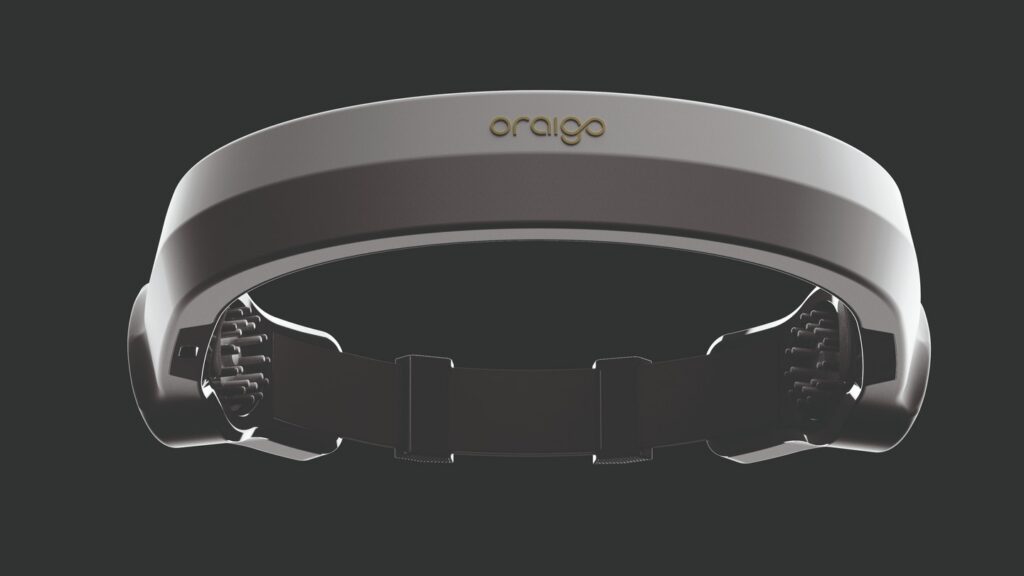
Oraigo’s EEG headband detects fatigue before visible signs appear, with no camera and anonymous fleet data, which makes it simpler to justify under UK GDPR. For driver fatigue detection in the UK, it works across any vehicle, old or new. Start a free pilot or talk to one of our specialists.