Why driver drowsiness detection technology is essential for road safety
Every year, a silent killer stalks our highways, and it often goes unnoticed. Unlike other factors that contribute to road accidents, such as drunk driving, drowsy driving often goes under the radar. While measuring and alleviating this factor can be more difficult, its consequences are tragic and, sometimes, fatal. In fact, driving while fatigued contributes to up to 20% of all crashes in Europe. In addition, the European Commission reported that around 23% of drivers on European roads self-reported as driving while fatigued in the previous 30 days.
The good news is that detection and prevention is not impossible. Driver drowsiness detection devices are transforming road safety by catching fatigue before it becomes fatal. These technologies represent a fundamental shift from reactive to proactive safety—moving beyond crash response to crash prevention. By monitoring drivers in real-time and delivering immediate alerts when drowsiness is detected, these devices provide the critical intervention that can mean the difference between life and death.
This comprehensive guide explores the best driver drowsiness detection devices available today, examining how they work, what features matter most, and which solutions deliver the greatest protection.
Understanding Driver Drowsiness Detection Technology
A driver drowsiness detection device is a safety technology designed to monitor drivers in real-time and identify signs of drowsiness before they become dangerous. These systems continuously analyze various indicators that signal declining alertness and provide immediate warnings when intervention is needed.
Three Main Driver Drowsiness Detection devices Approaches
Modern driver drowsiness detection devices employ three primary methodologies. Behavioral monitoring uses cameras and computer vision to track visible signs: eye closure duration, blink frequency, yawning, head nodding, and facial expressions that indicate declining alertness. Physiological monitoring measures internal body signals through wearable devices—brain wave activity (EEG), heart rate variability, and other biometric indicators that reveal drowsiness before outward symptoms appear. Vehicle-based monitoring analyzes driving behavior itself: erratic steering patterns, lane deviations, sudden speed variations, and irregular braking that suggest reduced driver attention. You can learn more about these systems, how they work and how they defer by reading this article we shared on the topic.
Why Early Detection Saves Lives
The power of these systems lies in their proactive nature. Prevention of drowsiness-related accidents can be achieved through early warning, with technology that detects drowsiness from its earliest stages before the individual shows signs of cognitive impairment. By catching drowsiness before it progresses to dangerous levels, detection devices provide drivers with critical seconds to pull over, take a break, or refocus their attention—turning potential tragedies into prevented incidents.
The Role of AI and Machine Learning
Modern detection systems leverage artificial intelligence to dramatically improve accuracy and reduce false alarms. Machine learning algorithms analyze patterns across multiple data streams simultaneously, learning to distinguish genuine drowsiness from momentary distractions or individual quirks. These intelligent systems adapt to each driver’s baseline behavior, becoming more accurate over time while minimizing false alerts. Providing accurate alerts increases management and drivers’ trust in these systems, which therefore decreases the chance of ignoring alerts.
Key Features to Look for in a Driver Drowsiness Detection Device
When evaluating driver drowsiness detection devices, there are certain features to look for that separate truly effective solutions from one that isn’t. Here’s what some of the most important features:
Accuracy and Reliability
Modern transformer-based systems demonstrate impressive accuracy, with some achieving 95.59% detection rates. But accuracy is not all that matters. Having a low percentage of false alarms is equally as important, to ensure that the user trusts the device and doesn’t ignore the alert. Some driver drowsiness detection devices may generate false alarms due to factors such as bright lights, sudden movements, or changes in the driver’s posture… Therefore, it is important to look for devices that have proven high accuracy and low error rates. Seek devices backed by clinical studies, peer-reviewed research, and certifications from recognized safety organizations.
Real-Time Alerts
Detection is incomplete without immediate intervention. Effective driver drowsiness detection devices must provide instant notification systems the moment dangerous drowsiness is detected. The best systems employ multi-sensory alerts combining visual warnings (dashboard lights), audio alarms (beeping or voice notifications), and haptic feedback (seat vibrations or wearable vibrations). Response time specifications should be clearly stated—systems should alert within milliseconds of detecting critical drowsiness indicators.
Ease of Use and Comfort
Technology that’s difficult to use or uncomfortable to wear gets abandoned quickly. User-friendly setup and calibration processes ensure drivers can get systems operational without technical expertise or lengthy procedures. For wearable devices, comfort during extended wear is non-negotiable: drivers shouldn’t feel burdened by safety equipment during 8+ hour shifts. Non-intrusive design means the device doesn’t obstruct vision, interfere with normal driving activities, or create additional distractions. Ironically, poorly designed safety devices can become hazards themselves if they demand too much driver attention during setup or operation.
Integration Capabilities
For fleet operations, standalone devices that don’t communicate with existing systems create data silos and management headaches. Look for compatibility with major fleet management platforms, allowing drowsiness data to integrate seamlessly with other operational metrics. Robust data export and analytics capabilities enable fleet managers to identify patterns, track improvements, and demonstrate ROI. Mobile app connectivity provides drivers and managers with accessible interfaces for monitoring and adjusting settings. API availability for custom integrations ensures the device can adapt to unique fleet management workflows and third-party software ecosystems.
Data Privacy and Security
Driver drowsiness detection devices collect sensitive biometric and behavioral data that requires strong protection. Verify that devices employ industry-standard data encryption both during transmission and at-rest storage. Privacy compliance with regulations like GDPR, CCPA, and industry-specific requirements is essential, particularly for fleets operating internationally.. Secure storage solutions with regular security audits and updates protect against breaches that could expose driver information or compromise fleet operations.
Top Driver Drowsiness Detection Devices in 2025
As road safety technologies evolve, driver fatigue detection has become smarter, faster, and more accurate. From brainwave-monitoring headbands to AI-powered cameras, the following are the top driver drowsiness detection devices today.
Physiological-based systems: The Oraigo headband as a leading device in Driver Drowsiness Detection
Physiological-based systems, such as EEG headbands or smart wearables, represent the most advanced approach to driver fatigue detection. Their main advantage lies in accuracy and early detection: they measure real-time brain activity and physiological signals, identifying fatigue before behavioral signs appear, like yawning or drifting. This makes them ideal for preventing accidents proactively rather than reacting to them. They also protect driver privacy, as they don’t rely on cameras or external monitoring.
Physiological detection remains the most reliable and preventive solution available today; Offering unmatched insight into a driver’s cognitive state and significantly improving road safety when integrated into fleet operations.
Considering the minor drawbacks of these systems, Oraigo has taken all of the problems Fleets and drivers might face with driver drowsiness detection devices, and created a device that maximizes accuracy and early detection, while directly tackling intrusiveness and privacy concerns.
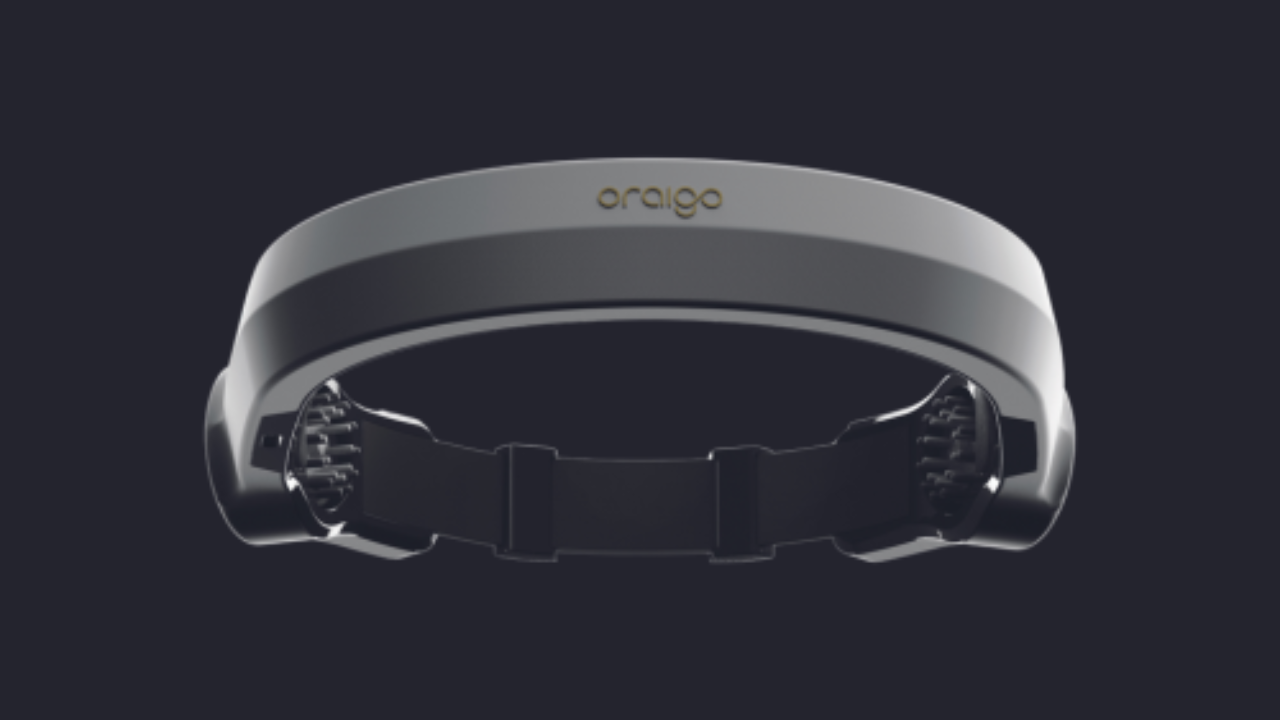
The Oraigo Headband represents the next generation of fatigue detection technology. Using real-time brainwave (EEG) monitoring, Oraigo identifies signs of drowsiness at a neurological level, before visible symptoms even appear.
Unlike systems that react only after a driver looks physically drowsy, Oraigo’s technology detects the earliest physiological indicators of fatigue and triggers immediate multi-sensory alerts, including audio, visual, and vibration cues. Its high accuracy and minimal false alarms make it ideal for continuous, real-world use.
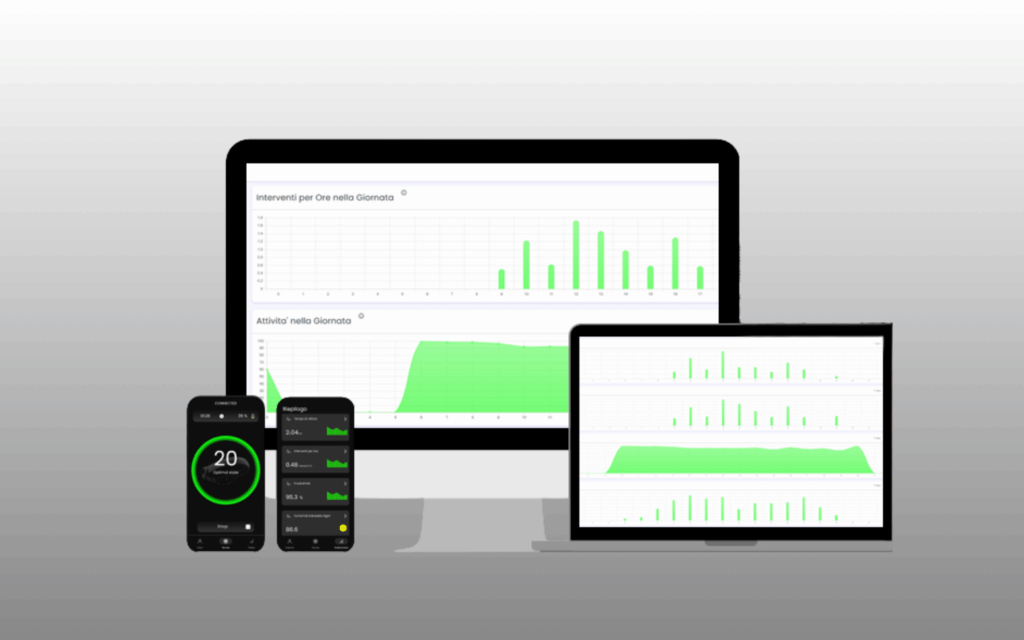
The device is lightweight, ergonomic, and designed for all-day comfort, ensuring drivers can wear it during long shifts without discomfort. Fleet managers benefit from seamless integration with the Oraigo ecosystem, featuring an intuitive data analytics dashboard that aggregates performance insights across teams.
Best suited for commercial fleets, long-haul trucking, and high-risk operations, Oraigo offers the most proactive detection method on the market—intervening before fatigue becomes dangerous.
Price range: Contact info@oraigo-posts.local for a custom quote or schedule a call here.
Camera-Based Fleet Solutions
Many fleets rely on camera-based driver drowsiness detection systems, which use AI-driven facial recognition and eye-tracking to monitor signs of tiredness, distraction, or inattention. These systems are typically mounted on dashboards and deliver real-time driver monitoring and fleet-wide analytics. Their popularity stems from being non-intrusive and highly accurate at detecting drowsiness, although only after it appears physically on the driver.
They’re best suited for large fleet operations prioritizing safety compliance, though they can be affected by lighting conditions and raise privacy considerations.
Price range: Mid-range, depending on fleet size and configuration.
Consumer Wearables and Smart Devices
Smartwatches and fitness trackers now offer basic fatigue insights using heart rate variability and movement patterns. They’re affordable, multipurpose, and integrate easily with mobile apps. However, they track general fatigue rather than true drowsiness.
Best for individual drivers or personal use, these devices provide a budget-friendly starting point for awareness.
Vehicular Systems
Vehicular drowsiness systems monitor fatigue indirectly through steering wheel sensors, lane departure alerts, and vehicle movement data. They’re easy to install and compatible with most vehicles, making them ideal for small fleets or independent drivers.
While not as accurate at detecting drowsiness as physiological monitoring, they serve as a useful complementary tool for boosting driver awareness.
Price range: Mid-range.
Comparing Detection Methods: Pros and Cons
Each driver drowsiness detection device offers unique strengths and trade-offs. Physiological wearables like Oraigo and camera-based systems provide the highest accuracy, with physiological wearable having the earliest detection. Camera-based systems excel in behavioral monitoring but can face privacy and lighting limitations. Vehicle-based systems are easy to use but less precise, detecting fatigue only after driving behavior changes. Costs vary depending on technology and fleet size. For optimal safety, physiological wearables can be considered the safest, with the pros dramatically outweighing the cons. At the end of the day, it’s about each fleet studying their needs and budget, and choosing solutions tailored to their specific operational needs and risk profiles.
Implementation Tips for Fleets and Individual Drivers
For Fleet Managers, start by launching a pilot program to test the technology in real-world conditions. Pilot programs allow you to test the device for its affectiveness, reliability, safety and comfort. Provide comprehensive driver training to ensure proper device use and seamless adoption. Integrate fatigue monitoring into your existing safety and compliance protocols, and continuously analyze performance metrics to refine your strategy.
At Oraigo, we have 100% trust in our device, which is why we provide a 1 month pilot program for companies interested in our technology. You can book yours now by contacting info@oraigo-posts.local.
Choose Oraigo as your partner in effective Driver Drowsiness Detection
Driver fatigue is no longer an unavoidable risk: with today’s technology, drowsiness detection has become smarter, faster, and more accessible than ever. Investing in these systems means investing in safety, productivity, and peace of mind. While no single solution fits every fleet, choosing the right one can make all the difference. Oraigo leads the way with advanced brainwave-based monitoring, detecting fatigue earlier and more accurately than any other method on the market.
Want to experience the future of road safety?
Visit oraigo.com or contact info@oraigo-posts.local for your personalized demo.