Understanding Driver Fatigue And Its Impact On Road Safety
Driver fatigue is a leading cause of road accidents worldwide. Long hours, irregular schedules, and lack of rest impair drivers’ alertness, slowing reaction times and increasing risks. Unlike mechanical failures, fatigue is harder to identify, making early detection and prevention critical to protect both drivers and road users. That is why driver fatigue detection systems are essential in protecting drivers. Since fatigue is not quantifiable, determining it as cause for crashes is hard, yet the correlation is strong.
While a precise statistic on fatigue-related road accidents is hard to determine, studies have found that driver fatigue significantly affects road safety. A study conducted by the European Transport Workers’ Federation showed that between 26% and 31% of drivers in the European Union have experienced at least one close call of a road accident because of fatigue.
Traditional solutions, like vehicle-based alerts, often fail to detect early signs of fatigue. They intervene too late, only after performance drops or dangerous behavior appears. Drivers may ignore warnings, and systems tied to speed thresholds overlook low-speed risks, leaving fleets exposed to accidents, costs, and safety challenges. This is why driver fatigue detection systems are increasingly improving, in order for them to be proactive, and not reactive.

What Are Driver Fatigue Detection Systems And How Do They Work?
Behavorial Monitoring
Behavioral monitoring uses cameras and sensors to track visible signs of fatigue—like eye features, head positioning, yawning frequency, and facial expressions. Using front and rare cameras, these monitoring systems can track both the movements of the driver and the steering wheel. In fact, they can track critical facial and postural indicators: eye closure duration, blink frequency, yawning patterns, head nodding, and facial expressions. Advanced algorithms also monitor steering wheel movements, noting irregular corrections, over-steering, or drifting that suggest diminished concentration. Lane departure patterns and erratic acceleration or braking behaviors provide additional behavioral clues.
Physiological Monitoring
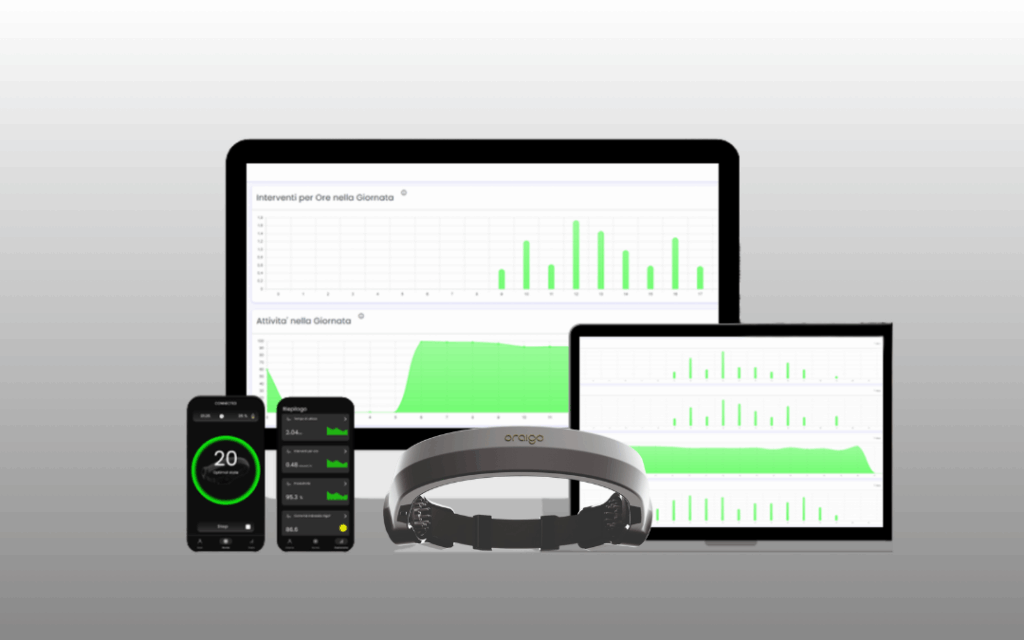
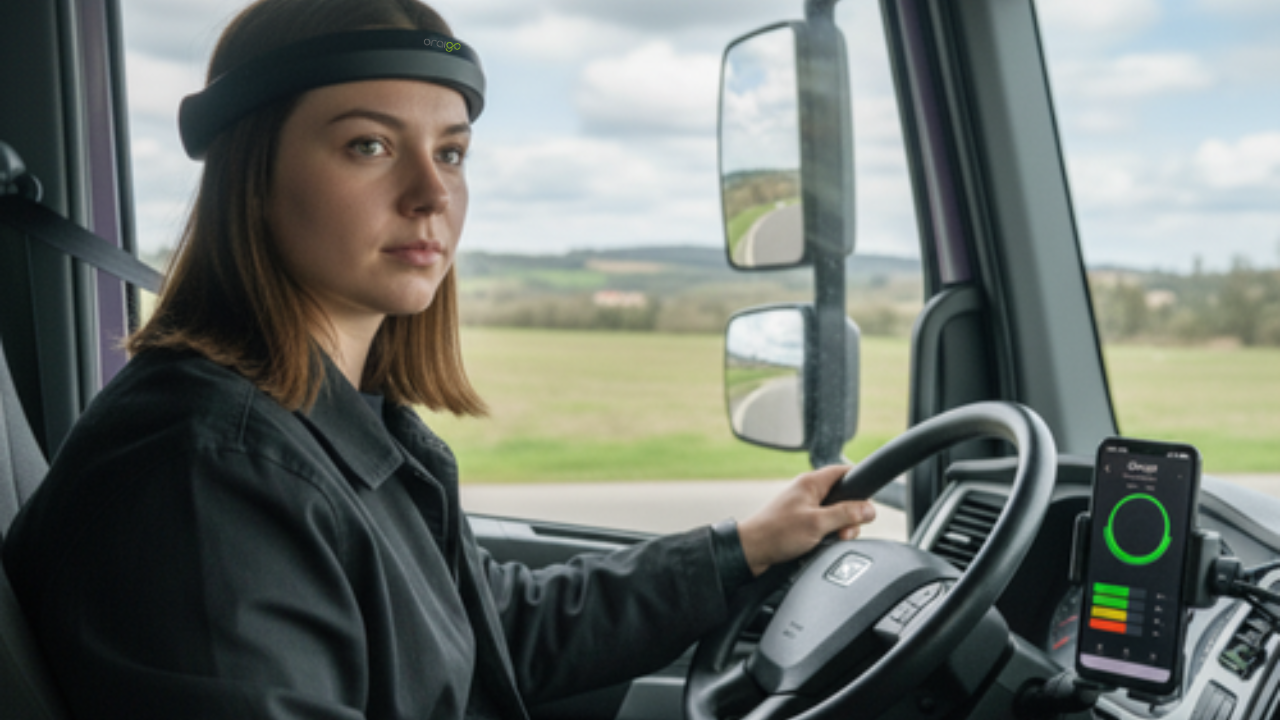
Physiological monitoring measures internal body signals such as brain activity, heart rate variability, and blink patterns through wearable devices or embedded sensors like EEG or ECG. They are the earliest in detecting fatigue since they can track it internally in the body before it shows signs physically. Wearable devices like headbands or smartwatches capture brain wave activity (EEG), heart rate variability (HRV), and subtle changes in pulse patterns. These biometric signals can detect drowsiness onset even before drivers consciously feel tired, offering the earliest possible warning.
Vehicle Based Systems
Vehicle-based systems, on the other hand, can track reduced alertness by analyzing driving patterns, including steering wheel movements, lane deviations, and braking behaviors. These systems are statistically less efficient at detecting diminishing alertness and concentration than behavioral and physiological systems.
Finally, Hybrid systems are systems that combine two or more detection systems together.
The primary goals of these systems are prevention and early intervention. Rather than reacting after an accident occurs, fatigue detection technology provides proactive alerts, giving drivers the critical seconds needed to pull over if their alertness has been compromised. For commercial fleets, this means protecting both driver lives and company assets, while creating a culture of safety that prioritizes the well-being of everyone involved on the road.
Why Fleets Need Driver Fatigue Detection Systems
For fleet managers and transportation companies, investing in driver fatigue detection systems isn’t just about ticking a compliance box, it’s a strategic decision that impacts every aspect of operations.
Reducing Accidents And Protecting Drivers
The most compelling reason to adopt driver fatigue detection systems is simple: they save lives. Driving while fatigued is responsible for a significant proportion of commercial vehicle accidents, as we mentioned earlier, often with devastating consequences. Unlike other safety interventions that react after an incident occurs, driver fatigue detection systems work proactively—catching drowsiness in its earliest stages and alerting drivers before dangerous situations develop. This means fewer collisions, reduced injuries, and most importantly, reduced fatal accidents. For fleet managers, this creates both a moral imperative and a measurable safety improvement that protects the company’s most valuable asset: its people.
Lower Repair, Insurance, And Legal Costs
Accidents are extraordinarily expensive. Beyond the immediate costs of vehicle repairs and cargo damage, fleets face increased insurance premiums, potential litigation, medical expenses, and compensation claims. A driver fatigue detection system that monitors driver behavior and demonstrates safe driving habits can result in lower insurance premiums, as insurers see reduced risk with the use of these technologies.
Driver fatigue detection systems provide concrete data showing proactive risk management, which insurance companies are increasingly rewarding with premium discounts. Additionally, preventing even a single serious accident could offset the cost of implementing driver fatigue detection across an entire fleet—making it one of the most cost-effective safety investments available.
Meeting Safety Standards And Avoiding Fines
Transportation regulations are becoming stricter worldwide, with authorities increasingly focused on driver fatigue management. Violations of these regulations can result in fines and halt of operations. Driver fatigue detection systems, therefore, help fleets demonstrate due diligence in managing driver wellness, providing documented evidence of safety protocols during audits or investigations. This proactive approach not only helps avoid penalties but also improves the company’s reputation with regulators.
Minimizing Downtime And Delays
Drowsy driving doesn’t just pose safety risks—it hurts operational performance. In fact, it leads to slower reaction times and thus increased likelihood of mistakes that cause delays. Accidents and delays create massive disruptions: vehicles out of commission, missed deliveries, customer dissatisfaction, and the administrative burden of incident management. By preventing fatigue-related incidents, fleets maintain smoother operations, more predictable schedules, and higher service reliability.
Improving Health And Job Satisfaction
Finally, driver fatigue detection systems send a powerful message to drivers: their health matters. When companies invest in technology that actively protects driver wellness, it improves morale, increases job satisfaction, and aids retention in an industry struggling with driver shortages. Drivers who feel valued and protected are more engaged, productive, and loyal, which creates a positive work environment that benefits everyone.
Challenges And Considerations
While driver fatigue detection systems offer tremendous benefits, successful implementation requires addressing several key challenges that can impact adoption and effectiveness.
Balancing Privacy And Monitoring
Privacy concerns arise particularly when technology collects and stores sensitive data on drivers, especially in countries with strict data privacy laws or where there is general distrust of technology.
Drivers may feel uncomfortable with constant monitoring, viewing it as intrusive surveillance rather than a safety tool. Fleet managers must navigate this tension carefully by being transparent about what data is collected, how it’s used, and who has access to it. Establishing clear policies that prioritize driver safety over punitive measures is essential. When drivers understand that driver fatigue detection systems protect them rather than spy on them, their acceptance and trust in using these systems increases dramatically. Companies should also ensure compliance with data protection regulations like GDPR and implement strong cybersecurity measures to safeguard driver information.
Integration With Existing Fleet Management Systems
Many fleets already use telematics platforms, GPS tracking, and electronic logging devices. Adding a driver fatigue detection system means ensuring seamless integration with these existing systems to avoid creating data silos or requiring drivers to manage multiple devices. Compatibility issues can lead to implementation delays, increased costs, and frustrated users. Choosing systems with open APIs and flexible integration capabilities is crucial for smooth deployment and maximizing the value of combined data insights.
Accuracy And False Alarms
Just like any technological system, a margin of error exists. Environmental and physiological factors can compromise measurement accuracy. While acceptable at a low percentage, excessive false alarms create “alert fatigue,” where drivers begin ignoring warnings. This is very dangerous since it defeats the purpose of the technology all together. Modern AI-powered systems are continuously improving accuracy by combining multiple data sources and learning individual driver patterns, but choosing high-quality, well-tested technology remains critical for maintaining driver trust and system effectiveness.
The Future Of Fatigue Detection
The evolution of driver fatigue detection systems is accelerating rapidly, driven by advances in artificial intelligence, wearable devices, and connected systems that have the ability to revolutionize driver fatigue management.
Emerging Technologies: Wearables, AI, And IoT
The global fatigue sensing wearables market in the automotive sector is estimated to grow from 1.47 billion dollars in 2025 to 5 billion dollars by 2035, at a CAGR of 13.1%. These numbers reflect the industry’s rapid shift toward more sophisticated monitoring solutions. Wearable technologies, such as fitness trackers and smartwatches, now make it possible to continuously analyze physiological signals in real-time to determine a driver’s level of drowsiness.
Industry Adoption Trends
The 2025 fleet management landscape will be driven by advanced technology and a strong focus on safety, with tools like AI-powered telematics and automated compliance systems. From major fleet operators, to governmental bodies, fatigue detection not as optional equipment is increasingly being treated as essential infrastructure rather than an optional equipment. In fact, as of 2024, the EU mandated the implementation of driver fatigue detection systems of all vehicles sold in its states. As technology costs decrease and regulatory pressure increases, adoption will accelerate across the industry—making fatigue management systems a standard safety equipment in modern vehicle manufacturing.
Transform Your Fleet’s Safety Standards With Oraigo’s Cutting-Edge Fatigue Detection Technology
Driver fatigue detection systems are no longer a luxury, they’re a necessity for any company serious about safety, efficiency, and driver well-being. From preventing accidents and reducing costs to ensuring regulatory compliance, these systems represent some of the most rewarding technologies transportation companies can invest in.
However, not all driver fatigue detection systems are designed equally. In fact, the doubts companies have before making a decision are extremely valid: from privacy concerns and integration complexity, to the critical need for accuracy.
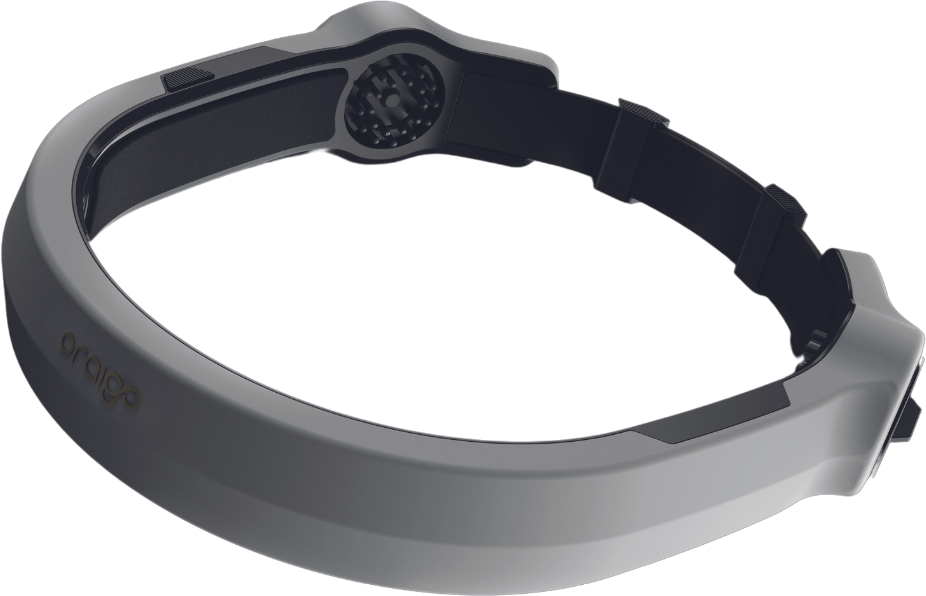
Oraigo was built with these challenges in mind. Our advanced headband technology uses real-time brainwave monitoring to detect fatigue with exceptional accuracy, minimizing false alarms while maximizing driver safety. We’ve prioritized data security, seamless integration, and user comfort—creating a solution that drivers trust and fleet managers can rely on.
Safety is a shared responsibility. We are doing our part, and we’ll help you do yours..
Ready to explore how Oraigo can transform your fleet’s safety standards? Learn more about our technology or book a free personalized demo by sending an email to info@oraigo-posts.local or by booking your slot here. Let’s make every road safer, together.