The Technology Race Against Driver Fatigue
Driver fatigue remains one of the most dangerous and persistent threats on roads worldwide. For fleet operators, transport companies, and safety managers, the challenge is no longer whether to monitor fatigue, it’s how. Two technologies have emerged as the dominant approaches: wearable fatigue monitoring devices and camera-based fatigue detection systems. Both promise to alert drivers before drowsiness leads to disaster, but they work in fundamentally different ways, with different strengths, limitations, and ideal use cases.
This article offers a thorough comparison of wearable vs camera fatigue monitoring, examining how each technology works, what it does well, where it falls short, and which solution, or combination of solutions, is best suited to your fleet’s safety goals. Whether you manage a small regional fleet or a large-scale logistics operation, understanding these tools is essential to making an informed, potentially life-saving decision.
What Is Wearable Fatigue Monitoring?
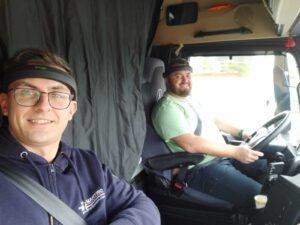
Wearable fatigue monitoring refers to devices worn directly on the driver’s body that track physiological signals to detect signs of drowsiness in real time. Rather than observing behavior from the outside, wearables measure what is happening inside the driver’s body, at the neurological, cardiac, or muscular level.
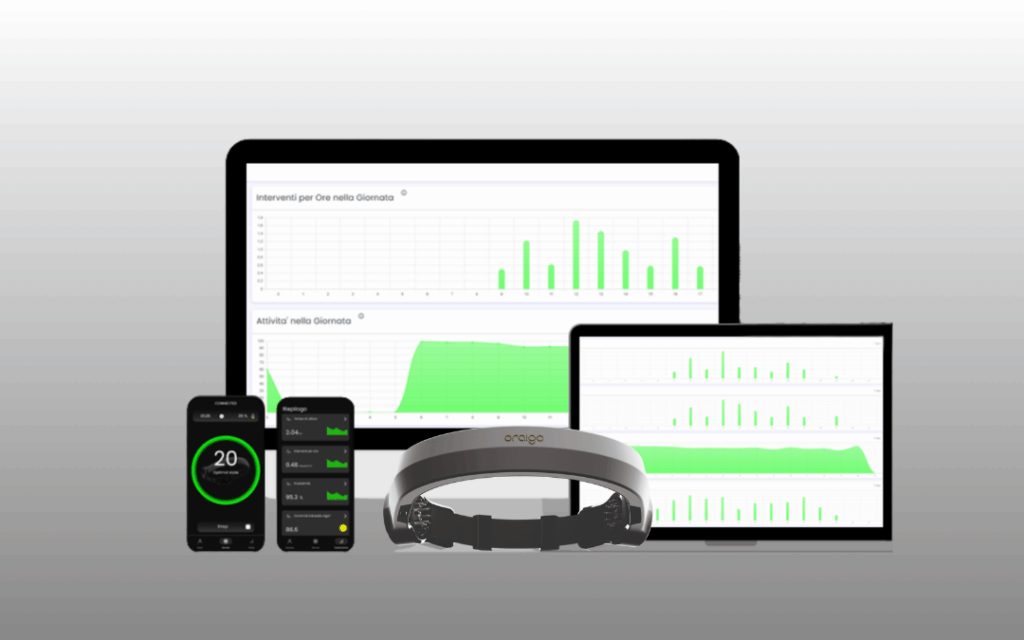
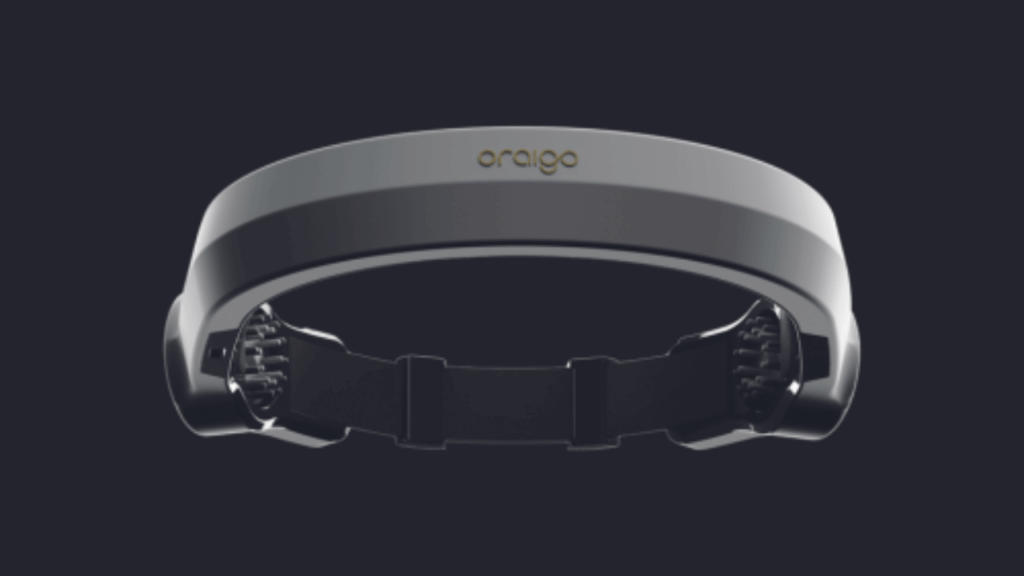
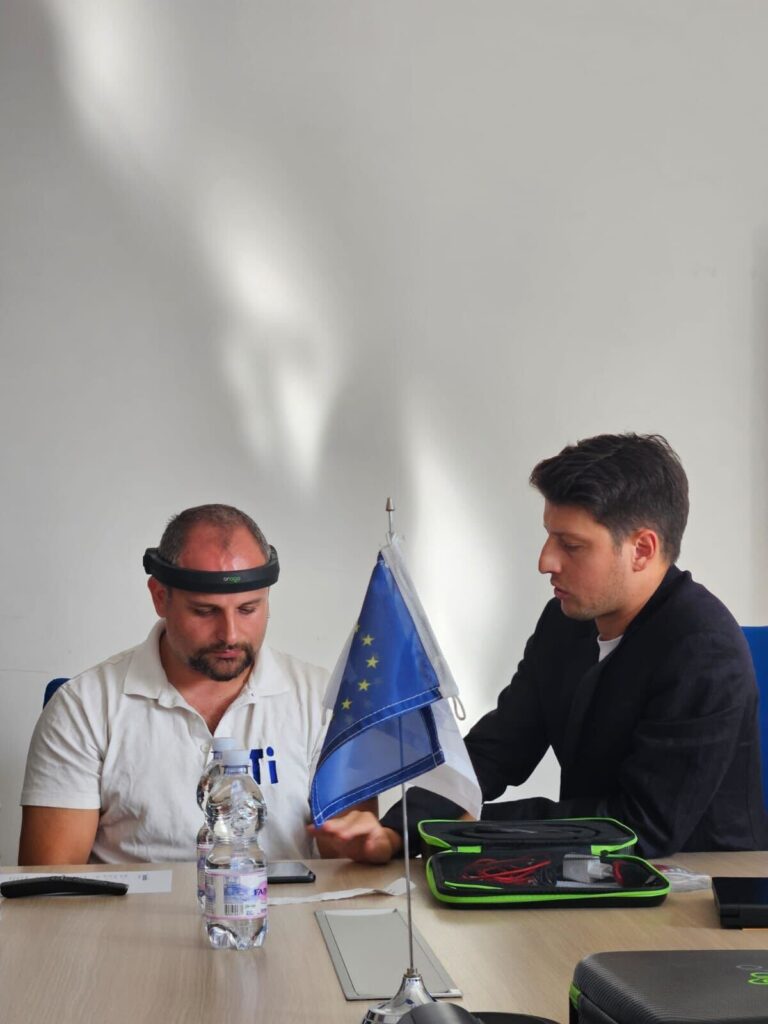
The most advanced wearables on the market today use EEG (electroencephalography) technology to monitor brainwave activity. When a driver begins to feel drowsy, their brainwave patterns change measurably, often before any visible behavioral sign of fatigue appears. Devices like the Oraigo Aigo headband detect these neurological shifts and trigger immediate multi-sensory alerts (vibration, sound, or visual cues) to prevent microsleep events.
Other wearable technologies in the fatigue monitoring space include:
- Smartwatches and wristbands that track heart rate variability (HRV) and movement patterns as proxies for alertness
- Smart patches or biosensors placed on the skin to measure galvanic skin response or body temperature
- Smart glasses or earbuds that track blink rate or ear-canal temperature as fatigue indicators
What unites all wearable solutions is their focus on the driver’s physiology as the primary data source, making fatigue detection proactive rather than reactive.
What Is Camera-Based Fatigue Monitoring?
Camera-based fatigue monitoring systems use AI-powered computer vision to observe a driver’s face and body behavior in real time. Mounted inside the vehicle cabin, these cameras continuously analyze visual cues that are typically associated with drowsiness.
Key indicators that camera systems monitor include:
- PERCLOS (Percentage of Eye Closure): The proportion of time the eyes are closed beyond a certain threshold
- Frequency and duration of yawning
- Head nodding or drooping
- Abnormal blinking patterns
- Facial micro-expressions associated with fatigue
When the system detects a combination of these signals, it triggers an alert, usually an audible alarm or a seat vibration, to wake the driver. Many modern systems also integrate with fleet management platforms, sending real-time notifications to dispatchers or safety managers when a fatigue event is recorded.
Camera systems are currently the most widely deployed fatigue monitoring technology in commercial fleets, largely due to their relatively low cost, ease of integration with existing dashcams and telematics, and high visual accuracy in controlled lighting conditions.
Wearable Fatigue Monitoring: Pros and Cons
Pros
1. Early, Proactive Detection The most significant advantage of wearable technology, particularly EEG-based systems, is the ability to detect fatigue before it becomes visible. Brainwave changes associated with drowsiness precede behavioral symptoms by several seconds or even minutes. This early warning window is critical: in trucking, a few seconds of microsleep at highway speed can cover hundreds of meters.
2. Physiological Accuracy Wearables measure the root cause of fatigue, what is happening inside the driver’s body, rather than its symptoms. This makes detection more precise and less prone to false negatives (missed fatigue events) compared to purely observational systems.
3. Driver-Centric Alerts Because wearables are on the driver’s body, alerts (vibration, haptic feedback) are delivered directly and discreetly, minimizing distraction while ensuring the driver receives the warning immediately.
4. Performance in Diverse Conditions Unlike cameras, wearables are not affected by lighting conditions, weather, sunglasses, or face coverings. They perform consistently in night driving, tunnels, or bright sunlight, scenarios where camera systems can struggle.
5. Rich Individual Data for Fleet Management EEG and physiological data collected over time can reveal patterns unique to each driver, peak fatigue windows, risk-prone routes, and the effects of shift scheduling, giving fleet managers actionable intelligence to optimize operations.
Cons
1. Driver Adoption and Comfort Wearing a device during a long shift requires driver buy-in. Some drivers may find headbands, smartwatches, or biosensors uncomfortable or intrusive, especially on multi-hour hauls. Successful implementation depends heavily on driver education and a positive safety culture.
2. Maintenance and Charging Wearable devices require regular charging and maintenance. A device with a depleted battery provides no protection. Fleet programs must include clear protocols for device upkeep.
3. Higher Per-Unit Cost Advanced wearables, especially EEG-based systems, typically carry a higher upfront cost than entry-level camera solutions. However, this should be weighed against the cost of a single serious fatigue-related accident.
4. Data Privacy Considerations Physiological data is sensitive personal data. Fleets must ensure compliance with applicable data protection regulations (such as GDPR in Europe). Reputable providers like Oraigo address this by anonymizing driver data and building privacy compliance into their systems from the ground up.
Camera-Based Fatigue Monitoring: Pros and Cons
Pros
1. Wide Adoption and Proven Integration Camera systems are the most established fatigue monitoring technology in commercial transport. They integrate readily with existing dashcam setups and telematics platforms, reducing deployment friction for fleets already using video-based safety tools.
2. No Driver Wearable Required Cameras require nothing of the driver beyond sitting in the seat. There is no device to put on, charge, or maintain from the driver’s perspective, which simplifies rollout and eliminates adoption resistance related to physical discomfort.
3. Multi-Function Capability Many camera systems double as event recorders, distraction monitors, and compliance tools, offering fleet managers additional value beyond fatigue detection alone. Dashcam footage is also valuable for insurance and incident review purposes.
4. Cost-Effective Entry Point For fleets with tight budgets, camera-based systems often represent a more accessible starting point. Many solutions offer subscription-based pricing and can be layered onto existing hardware.
5. Visual Evidence When a fatigue event is detected, camera systems can capture video footage of the incident, providing objective evidence for coaching, compliance, or insurance purposes.
Cons
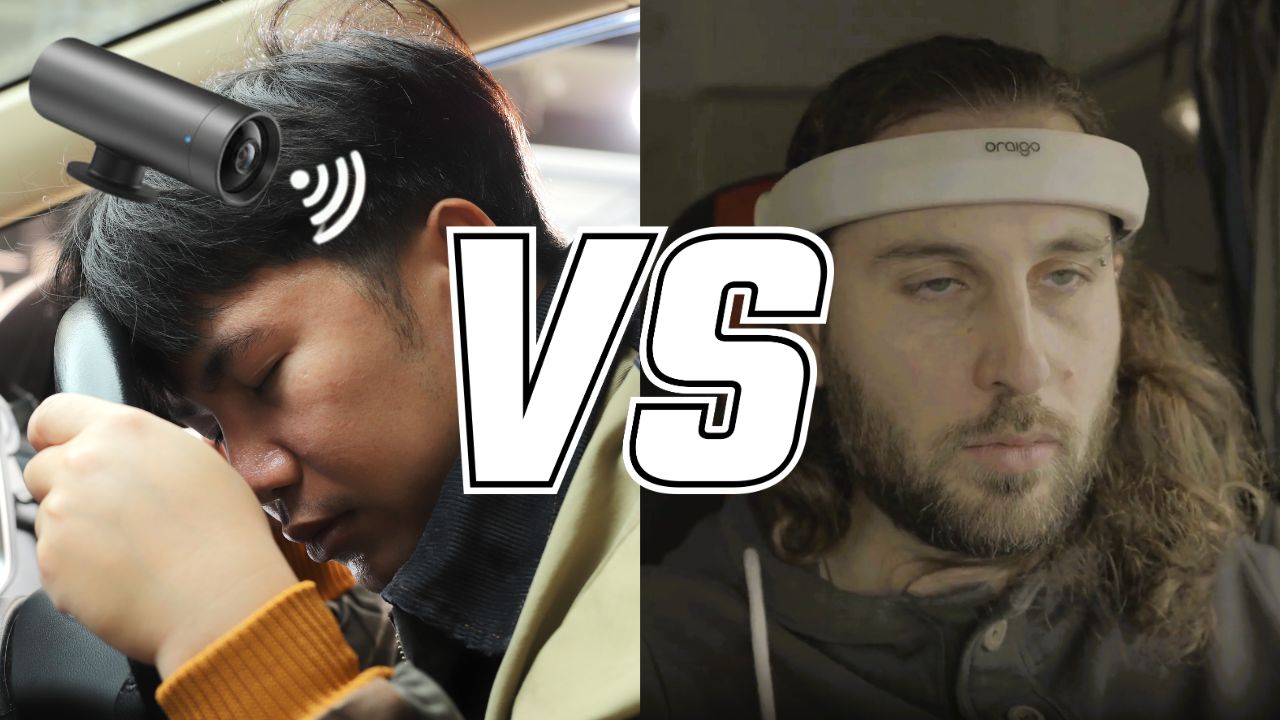
1. Reactive, Not Proactive Camera systems can only detect fatigue after it shows visible signs on the driver’s face. By the time the camera registers prolonged eye closure or head drooping, the driver has already entered a dangerous state. This inherent lag is a critical safety limitation.
2. Vulnerability to Environmental Factors Performance degrades significantly in poor lighting, direct glare, or when drivers wear sunglasses, hats, or face coverings. Night driving, one of the highest-risk periods for fatigue, can compromise detection accuracy precisely when it matters most.
3. Privacy Concerns and Driver Resistance Continuous facial recording raises legitimate privacy concerns among drivers. In some jurisdictions, camera-based monitoring inside the cabin is subject to legal restrictions. Driver resistance to feeling surveilled can also harm morale and trust if systems are not introduced thoughtfully.
4. False Positives and Alert Fatigue Camera systems can generate false alarms, triggering alerts when a driver looks away momentarily, sneezes, or adjusts their glasses. Excessive false positives lead to drivers ignoring or disabling alerts, undermining the system’s safety value.
Wearable vs Camera Fatigue Monitoring: Key Decision Factors
| Factor | Wearable Monitoring | Camera Monitoring |
| Detection timing | Proactive (pre-symptom) | Reactive (post-symptom) |
| Data source | Physiological (brainwaves, HRV) | Behavioral (facial cues) |
| Performance in low light | ✅ Unaffected | ⚠️ Degraded |
| Driver equipment required | Yes (headband, watch, etc.) | No |
| Privacy concerns | Physiological data (GDPR) | Video surveillance |
| False positive rate | Low | Moderate to high |
| Integration with telematics | Yes | Yes (often native) |
| Upfront cost | Higher | Lower to moderate |
| Best for | Early prevention, high-risk routes | Broad fleet deployment, event recording |
Why a Combined Approach Delivers the Best Results
The honest answer to wearable vs camera fatigue monitoring is that the strongest safety outcomes come from using both in a complementary way. Each technology covers the other’s blind spots.
EEG-based wearables catch fatigue at the neurological level, often before any visible sign appears. Camera systems confirm behavioral indicators and provide video documentation for review and compliance. Vehicle-based sensors, monitoring lane deviation and steering patterns, add a third layer of corroboration.
This multi-modal approach is increasingly recognized by safety experts as best practice in high-stakes transport environments. Rather than choosing one technology and accepting its limitations, forward-thinking fleets are building layered safety ecosystems that give drivers and managers the most complete, accurate picture of driver alertness at all times.
Implementation Considerations for Fleet Managers
Choosing between or combining these technologies requires more than a technical assessment. Here are the key operational considerations to guide your decision:
Fleet size and budget: Larger fleets may benefit from camera systems as a scalable baseline, with wearables deployed for higher-risk roles or routes. Smaller fleets may find the ROI of advanced wearables easier to justify per vehicle.
Route profiles: Night driving, long-haul interstate routes, and monotonous highway driving are highest-risk scenarios where proactive EEG-based detection offers the greatest safety uplift.
Driver culture and communication: Regardless of technology chosen, drivers must understand why these tools are in place and how their data is protected. Transparency builds trust and increases adoption rates.
Regulatory environment: Fleets operating in the EU must navigate GDPR requirements for physiological data. Camera systems operating in driver-facing mode may also face local restrictions. Always consult legal counsel before deployment.
Pilot before scaling: Start with a defined pilot group, collect data, gather driver feedback, and refine your approach before rolling out fleet-wide.
The Right Tool for a Safer Road
There is no single winner in the debate over wearable vs camera fatigue monitoring, each technology brings genuine value, and each has real limitations. What matters most is matching the right tool, or combination of tools, to your fleet’s specific risk profile, operational environment, and safety culture.
Camera systems offer accessible, scalable behavioral monitoring. Wearables, particularly EEG-based solutions like Oraigo’s Aigo headband, offer something more powerful: the ability to detect fatigue before it becomes visible, before a driver nods off, and before an accident happens.
In an industry where a few seconds of inattention can cost lives, proactive prevention isn’t just preferable, it’s essential.
Ready to explore how wearable brainwave monitoring can protect your fleet?
Discover Oraigo’s real-time fatigue detection technology at oraigo.com or book a free consultation with a specialist today.