Fleet Safety Technology: What Works and What’s Next

Fleet Safety Telematics fleet safety technology

Table of Contents

Facebook
Pinterest
X
Threads
Technology landscape · reviewed November 2026

Fleet safety technology has never offered more choice, or been harder to make sense of. This landscape maps the main categories, what each one actually solves, how mature it is and what is coming next. It’s a category map, not a how-to: use it to see where the gaps in your own setup are.

Key takeaways

  • Fleet safety technology falls into six families: telematics, video, ADAS, driver-facing cameras, consumer wearables and EEG. Each solves a different problem.
  • Telematics, dashcams and ADAS are mature. Driver-facing AI cameras are growing fast. Wearables and EEG are the emerging layer.
  • Most tools act during or after an incident. Fatigue prevention is the least covered part of the map.
  • What’s next: sensor fusion, stricter vehicle rules, privacy-by-design, and fatigue data feeding into scheduling.

The fleet safety technology map

Six families of technology cover most of today’s market:

📡Mature
Telematics
GPS tracking, driving behaviour scores, tachograph and hours data.
Solves: Speeding, harsh driving, compliance
🎥Mature
Video telematics
Road-facing dashcams, often triggered by harsh events.
Solves: Claims evidence, coaching
🚘Established
ADAS
Emergency braking, lane-keeping, blind-spot and collision warnings, now standard on new vehicles.
Solves: Collisions, lane departures
👁️Growing
Driver-facing AI cameras
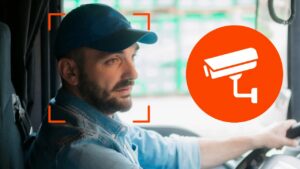
Cameras that watch the driver’s face for distraction and visible drowsiness.
Solves: Phone use, distraction
⌚Growing
Consumer wearables
Smartwatches and trackers estimating sleep and general tiredness.
Solves: Sleep habits, wellbeing
🧠Emerging
EEG fatigue detection
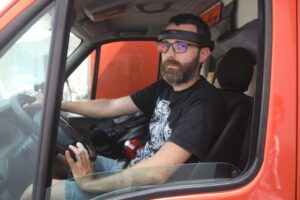
Headbands reading brain activity to detect fatigue before visible signs.
Solves: Early fatigue warning

💡 Key insight: Each technology answers a different question. Telematics asks what the vehicle did, ADAS asks what’s ahead, cameras ask what the driver is doing, and EEG asks how alert the driver is.

How mature is each technology?

Maturity map
Where each technology sits today
Adoption in fleets
Emerging
Growing
Established
Mature
Telematics
Video
ADAS
Driver cameras
Wearables
EEG
Sensor fusion
Technology maturity →
Editorial assessment of maturity and fleet adoption across European and North American markets. Positions are indicative.

Which problems each technology solves

No single tool covers everything. This is how the main families compare on common fleet problems:

Swipe to compare →
ProblemTelematicsVideoADASDriver camerasEEG
Speeding and harsh driving●●●●●●●●●●●●●●●
Collisions in the moment●●●●●●●●●●●●●●●
Distraction and phone use●●●●●●●●●●●●●●●
Early fatigue warning●●●●●●●●●●●●●●●
Claims evidence●●●●●●●●●●●●●●●
Hours compliance●●●●●●●●●●●●●●●
Driver privacy●●●●●●●●●●●●●●●
Editorial assessment: ●●● strong, ●● partial, ● limited. Individual products vary.

📘 Read more: how EEG, cameras and vehicle signals compare on fatigue specifically in Driver Drowsiness Detection: How EEG and Cameras Compare.

When each technology acts

Mapping tools against the moment they act shows where most fleets are thin:

Prevent
Before risk builds
Spot fatigue before driving is affected.
EEGFatigue-aware rosters
Warn
As risk appears
Alert the driver to danger ahead or in the cab.
ADAS warningsDriver cameras
Intervene
At the last moment
The vehicle acts when the driver doesn’t.
Emergency brakingLane-keeping
Record
After the event
Evidence, coaching and claims.
TelematicsVideo

💡 Key insight: Most fleets are well covered on warning, intervening and recording. The “prevent” column, especially for fatigue, is where the biggest gains are left.

What’s next in fleet safety technology

TREND 1
Sensor fusion
Combining vehicle, camera and physiological signals to cut false alerts and catch more real ones.
TREND 2
Stricter vehicle rules
EU rules already require drowsiness warnings in new vehicles, with distraction warnings following.
TREND 3
Processing on the device
AI running in the cab or on the wearable, for faster alerts and less data leaving the vehicle.
TREND 4
Privacy by design
Growing driver and regulator pushback on video is driving demand for camera-free and anonymised options.
TREND 5
Fatigue data in planning
Fatigue patterns feeding into rosters and route planning, not just in-cab alerts.
TREND 6
From reacting to preventing
The overall shift: from recording incidents to stopping them before they start.

📘 Read more: what camera-based and camera-free monitoring mean for privacy in Driver Monitoring Systems: Camera-Based vs Camera-Free.

Building a balanced safety stack

Most fleets layer technology over time. A practical order:

1
Telematics as the foundation
Visibility
Location, behaviour and hours data underpin almost everything else.
2
ADAS on every new vehicle
Protection
Specify the strongest safety systems available when you replace vehicles.
3
Add a driver-state layer
Prevention
Choose cameras for distraction, EEG for early fatigue, or both, based on your main risks and privacy needs.
4
Join up the data
Insight
Bring vehicle and driver data together so you can act on patterns, not single events.

For the day-to-day side of running a safe fleet, see Fleet Safety: The Fleet Manager’s Complete Guide. To compare fatigue monitoring options in depth, read our guide to driver fatigue monitoring systems.
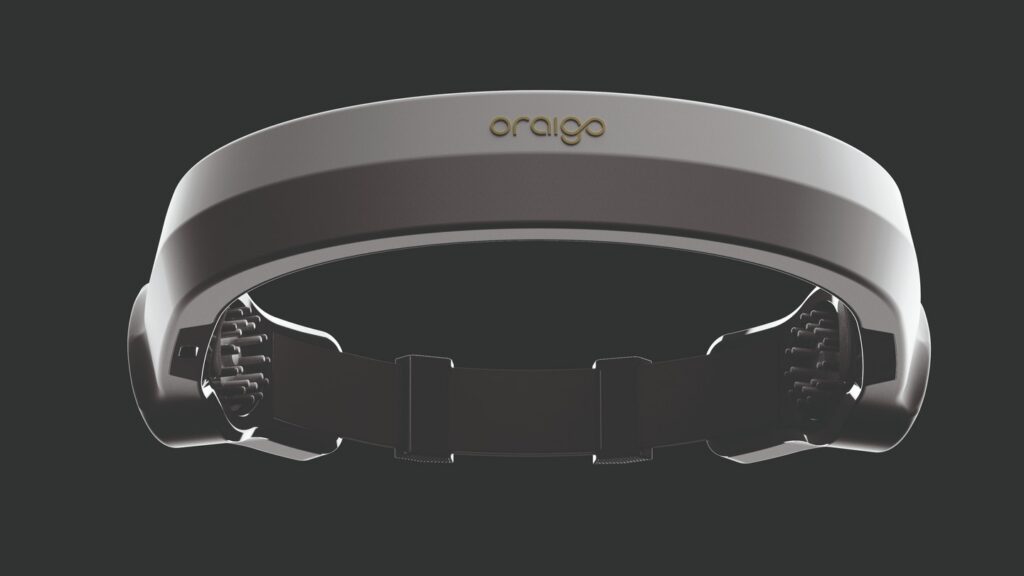
Aigo: EEG Based Driver Fatigue Detection System

Fill the prevention gap

Oraigo’s EEG headband adds the layer most fleets are missing: fatigue detection before visible signs appear, in any vehicle, with no camera and anonymous fleet data. Start a free pilot or talk to one of our specialists.
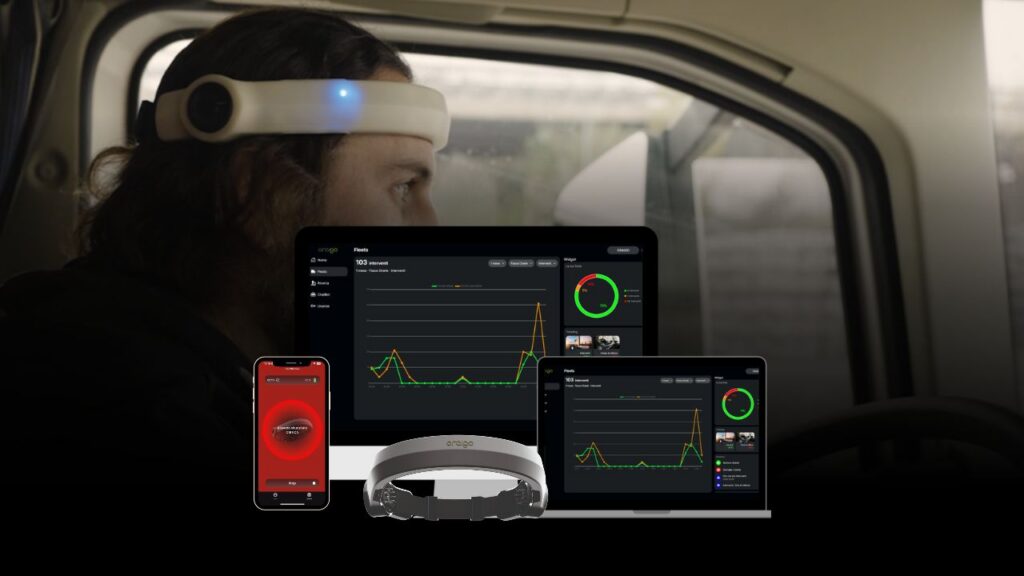

Oraigo Ecosystem for Driver Fatigue Detection

You understand the terms. Now try the system

The free pilot is a period agreed together in which the system works on your vehicles, with no commitment.