Many cars now flash a coffee cup on the dashboard when you’ve been driving too long. That’s a driver fatigue warning system at work. This guide explains how these in-car systems work, what sets them off and where their limits are, and why a car’s built-in warning is not the same as fleet fatigue monitoring.
Key takeaways
- A driver fatigue warning system in a car watches how you drive, mainly steering and lane position, and shows a coffee-cup alert when your driving starts to look tired.
- In the EU, these systems are now standard on all new cars under the General Safety Regulation.
- They react to changes in driving, so they usually warn later than fatigue actually begins, and only above certain speeds.
- A car’s built-in warning protects one driver in one vehicle. It is not fleet fatigue monitoring: there are no records, no trends and no view across drivers.
What is a driver fatigue warning system?
In the EU, the General Safety Regulation made a Driver Drowsiness and Attention Warning (DDAW) system mandatory: first on new car models from 2022, then on all newly registered cars from 2024. An advanced version that also detects distraction, usually with a camera, is being phased in after that.
How in-car fatigue warnings work
Most systems don’t look at the driver at all. They infer tiredness from how the car is being driven:
The signals a car uses
💡 Key insight: A car’s fatigue warning measures your driving, not your alertness. It can only react once tiredness has already changed how you steer.
When the warning comes, and why it’s often late
Fatigue builds in stages. Car systems sit in the middle of that process:
📘 Read more: how EEG, cameras and vehicle signals compare in detail in Driver Drowsiness Detection: How EEG and Cameras Compare.
The limits of built-in warnings
What to do when your car warns you
- Stop at the next safe place
- Take a short nap of around 15 to 20 minutes
- Have a caffeinated drink before the nap if you can
- Swap drivers if someone else can drive
- Opening the window or turning up the music
- Pushing on to the destination
- Dismissing the alert and carrying on
- Feeling “fine” after a few minutes
💡 Key insight: A short nap is the only quick fix that reliably restores alertness. Fresh air and loud music only mask tiredness for a few minutes.
Why a car’s warning is not fleet monitoring
For a private driver, a built-in warning is a useful safety net. For a business with cars, vans or trucks on the road, it leaves big gaps:
| Car fatigue warning | Fleet fatigue monitoring | |
|---|---|---|
| Who it serves | The driver of that car | Drivers, fleet managers and safety teams |
| When it warns | Once driving changes | Depends on technology. EEG can warn before visible signs |
| Works across vehicles | Only in cars that have it | Across the fleet, including older vehicles |
| Records and trends | None | Dashboards by route, shift and time of day |
| Response process | Up to the driver | Agreed escalation, for example dispatcher contact |
| Evidence for insurers and audits | No | Yes, in anonymised, fleet-level form |
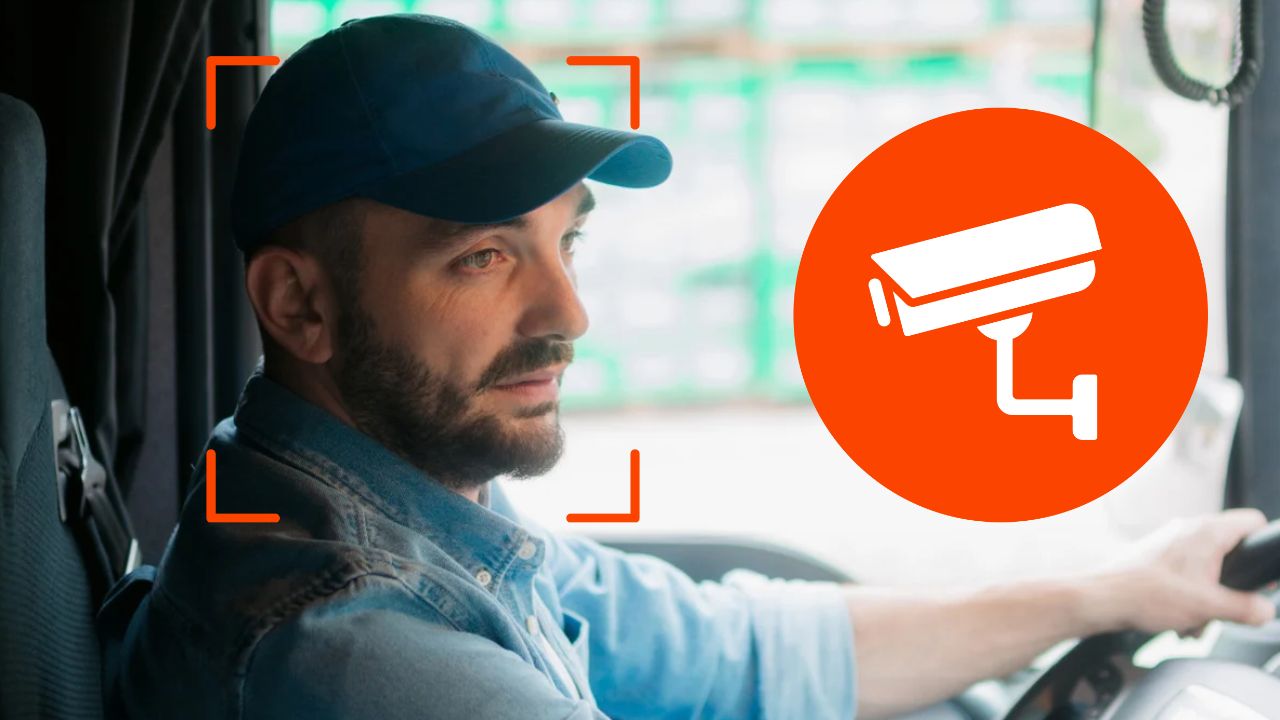
If you manage drivers, the question isn’t whether each car has a warning light, but whether you can see and manage fatigue across the fleet. That’s what fleet-grade systems are built for. Our guide to driver fatigue monitoring systems explains the options.
📘 Read more: camera-based and camera-free monitoring, and what each means for privacy, in Driver Monitoring Systems: Camera-Based vs Camera-Free.
From warning light to fleet safety
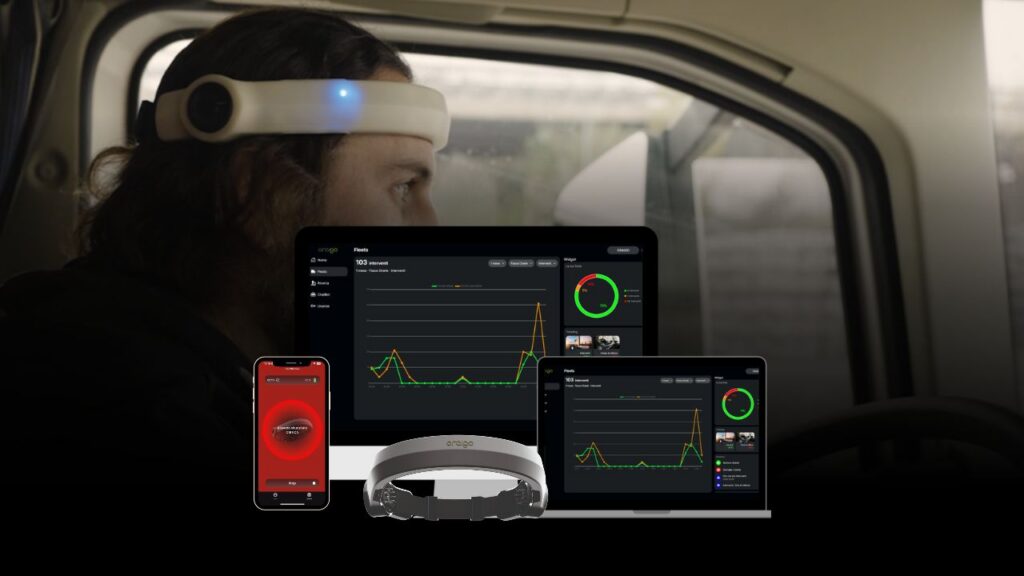
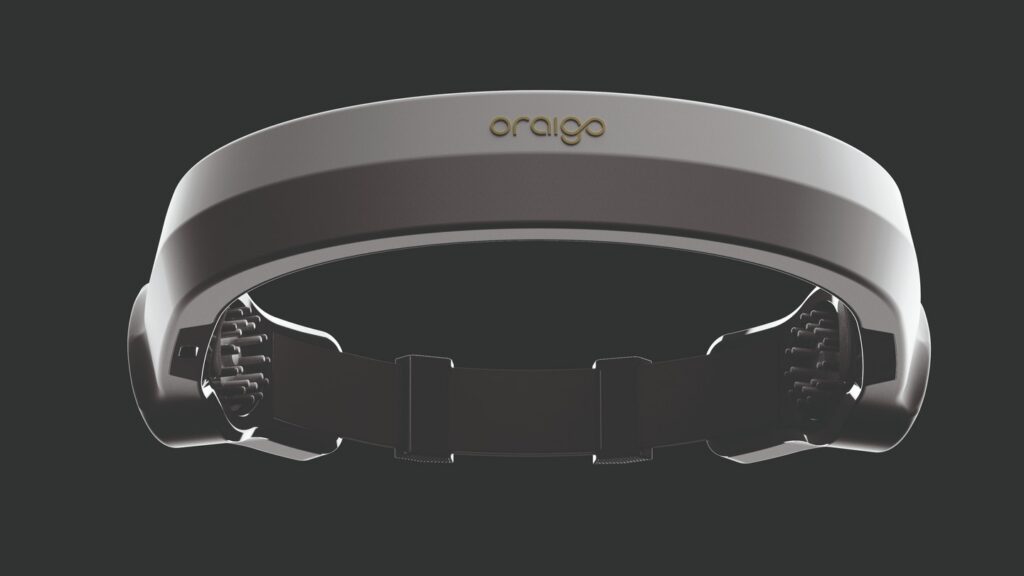
Oraigo’s EEG headband detects fatigue before your driving changes, in any vehicle, new or old, with no camera and anonymous fleet data. Start a free pilot or talk to one of our specialists.