Choosing a truck driver monitoring system is harder than most product rankings suggest. A system that suits a regional distribution fleet can be the wrong choice for international long-haul. This buyer’s guide skips the vendor league table and works through the requirements that actually decide the fit for trucking and HGV fleets.
Key takeaways
- The right truck driver monitoring system depends on your operation: long-haul, night and regional fleets need different things.
- Judge systems on five requirements: detection timing, tracking integration, cab fit, driver acceptance and GDPR.
- In a sleeper cab the truck is also the driver’s home, so privacy decides acceptance more than in any other vehicle.
- Choose on criteria and a pilot on your own routes, not on a vendor ranking.
Start with your operation
Before comparing systems, be clear about how your trucks are used. Long-haul and regional fleets weigh the same requirements very differently:
- Early fatigue warning High
- Privacy in the cab High
- Works offline and abroad High
- Distraction detection Medium
- Early fatigue warning High
- Distraction detection High
- Works across shared trucks High
- Privacy in the cab Medium
💡 Key insight: There is no “best” truck driver monitoring system, only the best fit for your routes, shifts and drivers. Ranked lists hide that.
Requirement 1: when the system detects fatigue
The three main technology types see fatigue at different moments. EEG reads alertness directly from brain activity, cameras watch for visible signs on the face, and vehicle-based systems infer fatigue from steering and lane-keeping:
| Requirement | EEG wearable | Driver-facing camera | Vehicle-based signals |
|---|---|---|---|
| Warns before visible signs | ●●● | ● | ● |
| Detects distraction and phone use | ● | ●●● | ● |
| Works at night, in glare, with sunglasses | ●●● | ●● | ●●● |
| No installation in the cab | ●●● | ● | ●● |
| Follows the driver across trucks | ●●● | ● | ● |
| Privacy in a sleeper cab | ●●● | ● | ●●● |
| Nothing for the driver to wear | ● | ●●● | ●●● |
Many fleets combine technologies: a camera for distraction and an EEG layer for early fatigue warning.
📘 Read more: a scored comparison of EEG, cameras and vehicle signals in Driver Drowsiness Detection: How EEG and Cameras Compare.
Requirement 2: cab space and installation
Truck cabs vary by make, model and age, and many fleets run a mix. Installation effort and what happens when drivers swap trucks can decide the business case:
- Install
- Per truck, with calibration
- Cab space
- Needs a clear line of sight
- Shared trucks
- Stays with the vehicle
- Install
- Built in or retrofit per truck
- Cab space
- None
- Shared trucks
- Stays with the vehicle
- Install
- None in the truck
- Cab space
- None
- Shared trucks
- Moves with the driver
EU rules now require drowsiness and attention warning systems in new vehicles. Older trucks, which make up much of most fleets, need a retrofit or wearable solution.
Requirement 3: integration with your tracking
Most fleets already run telematics and tachograph tools. A monitoring system should add to that picture, not create another silo:
- Can fatigue events be matched to your tracking data by vehicle, driver and time?
- Is there an export or API, and which formats does it support?
- Do in-cab alerts work without mobile coverage?
- Can dispatchers see critical alerts in the tools they already use?
- Does it work across countries and borders?
- Who owns the data, and can you export it if you leave?
Requirement 4: driver acceptance
A system drivers resist won’t deliver results. In trucking, acceptance has a dimension other fleets don’t face: for long-haul drivers the cab is also where they eat, rest and sleep.
Monitoring while driving is easier to justify as a safety measure.
A camera pointed at the bunk area, or recording during rest, is hard to justify and quickly erodes trust.
💡 Key insight: Explain what is measured, what isn’t and who sees it. When drivers understand there’s no camera and no individual surveillance, resistance often turns into support.
Requirement 5: GDPR and data protection
For European fleets, data protection isn’t a checkbox at the end. Ask every vendor these questions:
| Question for the vendor | Why it matters |
|---|---|
| Does the system record video or images? | Video of drivers is personal data and raises the bar for justification and storage. |
| What is collected, and for how long? | Data minimisation and retention limits are core GDPR principles. |
| Who can see individual driver data? | Fleet-level, anonymised reporting is easier to agree with drivers and works councils. |
| Where is data stored and processed? | Transfers outside the EU need extra safeguards. |
| Will you support our DPIA? | Systematic monitoring of employees usually requires a Data Protection Impact Assessment. |
📘 Read more: what camera-based and camera-free systems collect, and the GDPR implications, in Driver Monitoring Systems: Camera-Based vs Camera-Free.
From shortlist to decision
For the wider technology overview and benefits, see our guide to driver fatigue monitoring systems.
Test Oraigo on your own routes
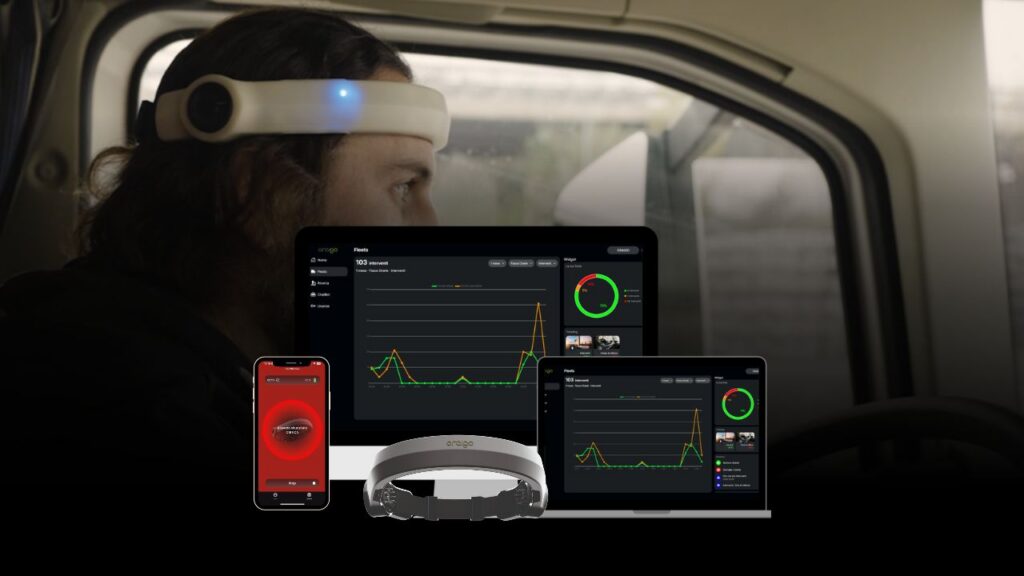
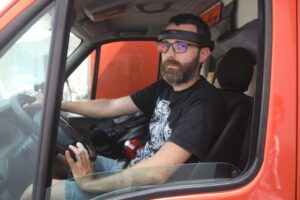
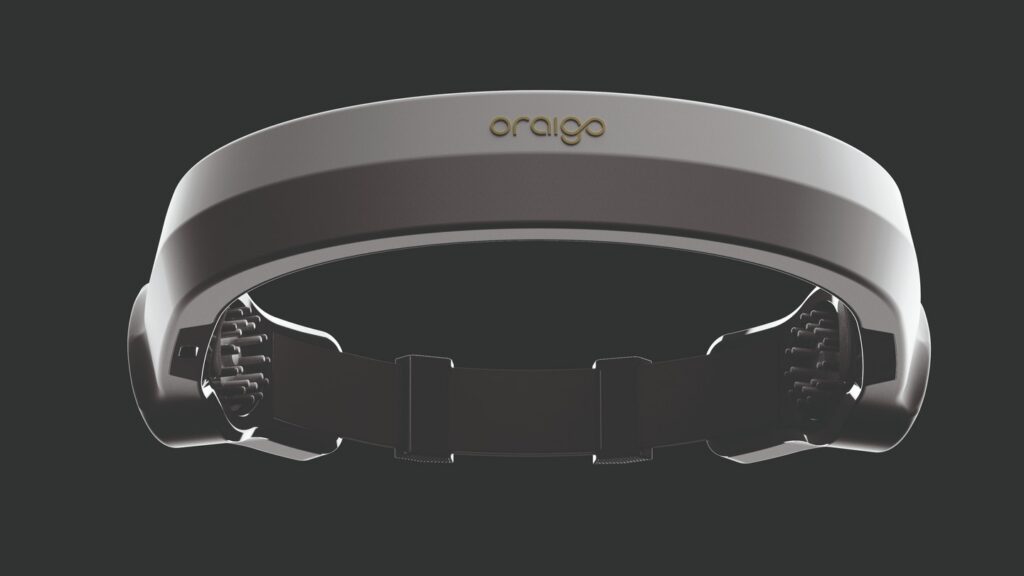
Oraigo’s EEG headband detects fatigue before visible signs appear, needs no installation in the truck, moves with the driver and records no video. Start a free pilot on your long-haul or night routes, or talk to one of our specialists.