Bus and coach drivers carry more lives per vehicle than almost anyone on the road, often after a working day that started before dawn. Bus driver fatigue follows its own patterns, shaped by split shifts, city traffic and long night runs. This guide covers the bus-specific risks and how to roll out fatigue detection across your depots.
Key takeaways
- Bus driver fatigue has its own causes: split shifts, early starts, stop-start city traffic and long night runs on coaches.
- Urban buses and long-distance coaches carry different fatigue risk profiles, so one approach doesn’t fit both.
- With dozens of passengers on board, fatigue monitoring is part of an operator’s duty of care.
- A depot-by-depot rollout, with unions and controllers involved early, is the most reliable way to deploy detection.
Why bus driver fatigue is different
Generic fleet advice assumes long, steady shifts. Bus work rarely looks like that. A typical split shift stretches the working day well beyond the hours spent driving:
The break in the middle is often too short to go home and too long to stay alert, so many drivers spend it in the depot or the bus. The result is fatigue that builds across the day, peaking in the second driving block.
💡 Key insight: Hours behind the wheel don’t tell you how tired a bus driver is. The length of the working day, the start time and the quality of the break matter just as much.
Urban bus vs long-distance coach
Both segments face fatigue, but for different reasons:
- Shift patternSplit shifts and early starts built around peaks
- Driving taskFrequent stops, dense traffic, cyclists and pedestrians
- Fatigue typeAccumulated over a long working day and short recovery between duties
- Extra loadTicketing, passenger questions, conflict and timetable pressure
- Shift patternLong duties, overnight runs, tours over several days
- Driving taskHours of motorway driving with little variation
- Fatigue typeMonotony and night-time sleepiness, with microsleep risk
- Extra loadUnfamiliar routes, irregular rest in hotels or on board
Drivers’ hours rules also differ. In the EU, long-distance coach services fall under the driving and rest time rules of Regulation (EC) 561/2006, while urban regular services on short routes are usually covered by national working time rules. Neither tells you whether a driver is actually alert.
Passenger duty of care
For bus and coach operators, fatigue is not just a driver welfare issue. It touches everyone the service is responsible for:
📘 Read more: the full overview of technologies, benefits and a procurement checklist in our guide to driver fatigue monitoring systems.
What to look for in a detection system for buses
The core technology is the same as for other fleets. What changes is the operating context:
| What to look for | Why it matters for buses | Urban | Coach |
|---|---|---|---|
| Early warning | Catches fatigue before visible signs, while there’s time to act | ●●● | ●●● |
| Per-driver, not per-vehicle | Drivers change buses between duties and at relief points | ●●● | ●● |
| Works at night and in glare | Overnight coaches, low winter sun, tunnel lighting | ●● | ●●● |
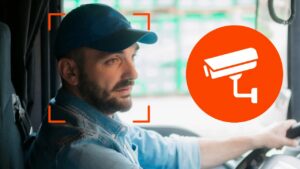
| No in-cab video | Public-facing drivers often already feel watched by CCTV | ●●● | ●● |
| Controller dashboard | Lets the depot plan relief or swap a duty in real time | ●●● | ●●● |
| Quick to issue and return | Hundreds of drivers signing on and off at one depot | ●●● | ●● |
📘 Read more: how camera-based and camera-free systems differ on privacy and detection in Driver Monitoring Systems: Camera-Based vs Camera-Free.
Rolling out fatigue detection across your depots
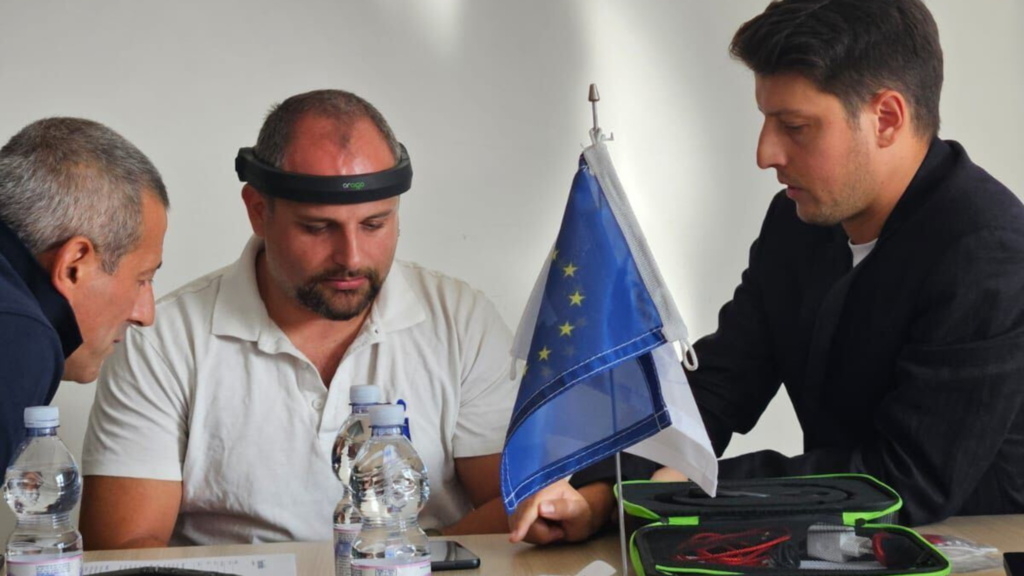
💡 Key insight: Because a wearable belongs to the driver’s duty, not the vehicle, it follows drivers through relief points and bus changes, which is exactly how bus work happens.
Protect your drivers and your passengers
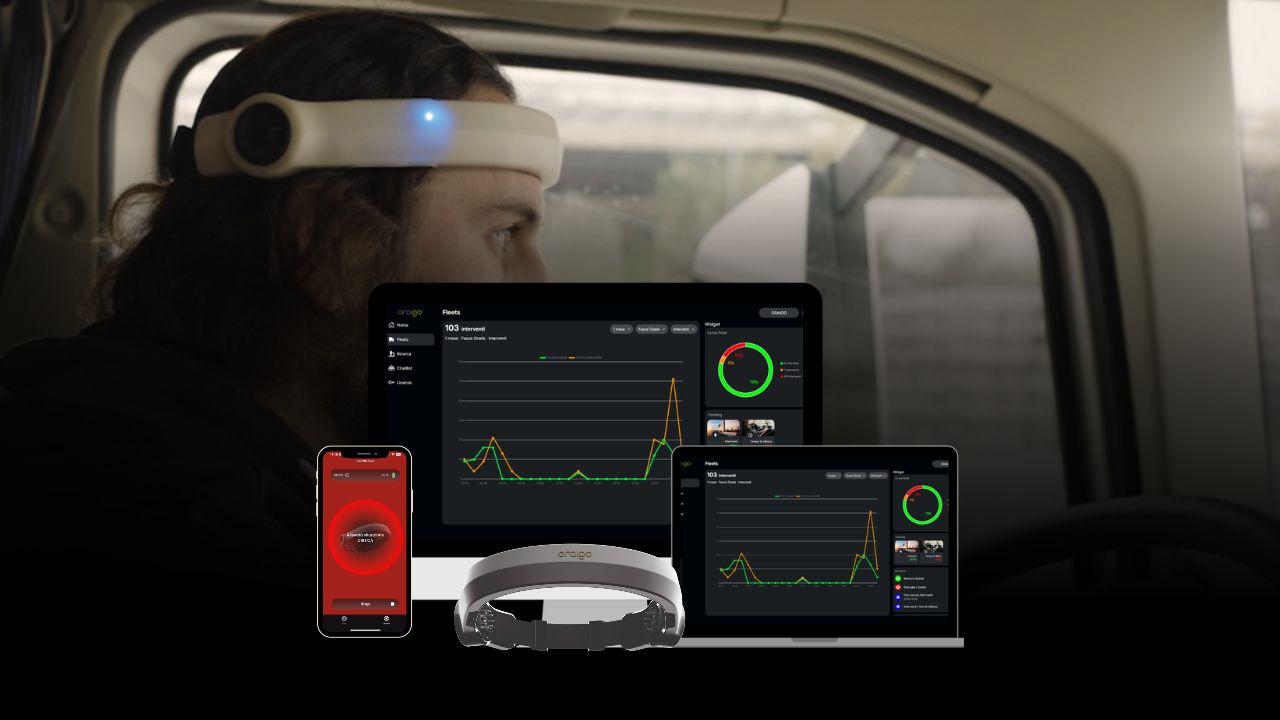
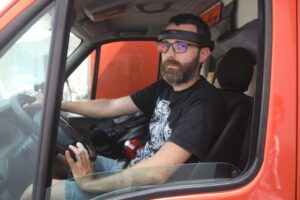
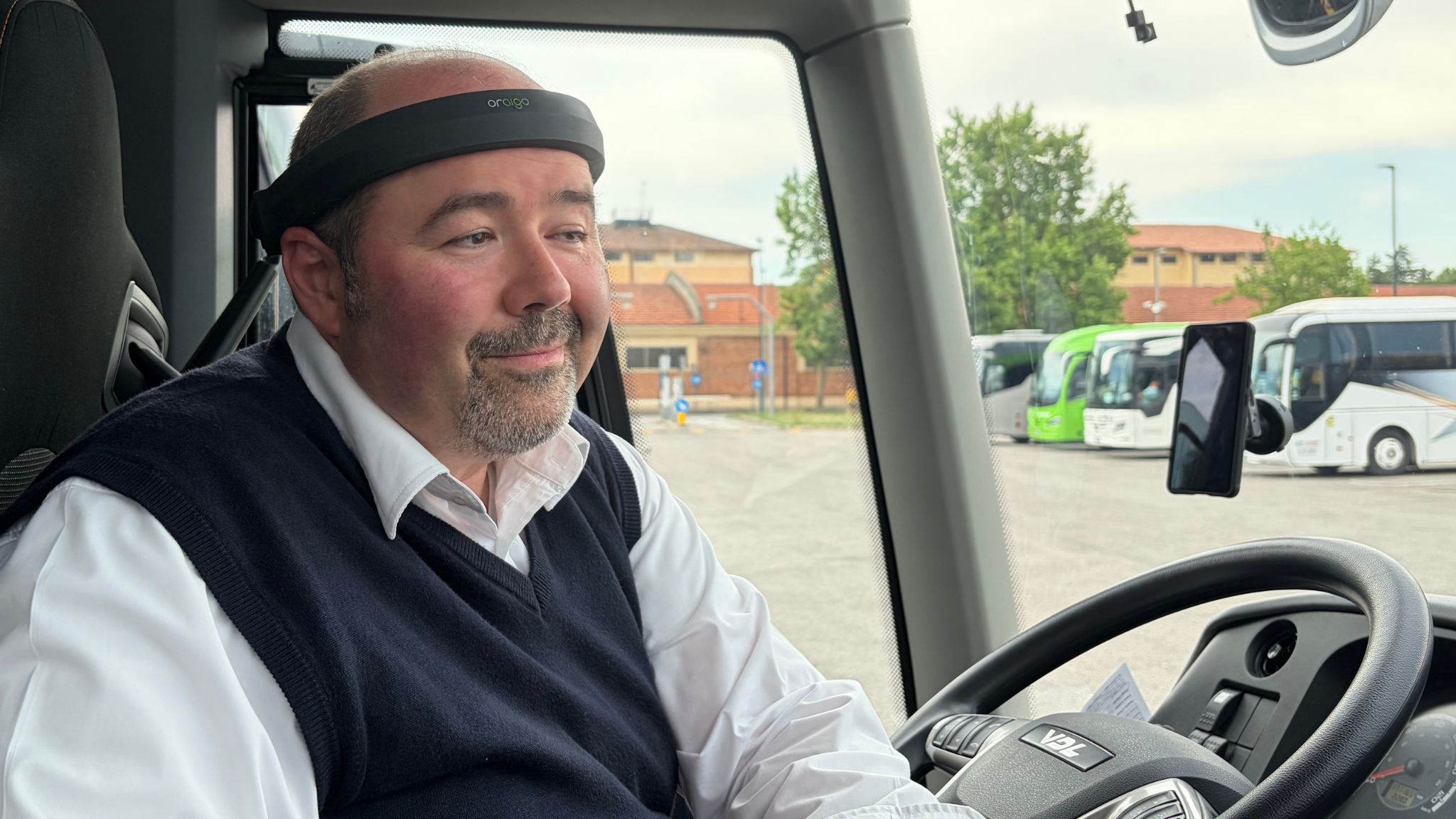
Oraigo’s EEG headband detects fatigue before visible signs appear, with no camera and anonymous data, and gives controllers a live view across the depot. Start with one depot and measure the results. Start a free pilot or talk to one of our specialists.