Most fleets manage fatigue with a mix of hours rules, good advice and a hope that drivers speak up. It isn’t enough, and regulators, insurers and clients increasingly expect more. A Fatigue Risk Management System (FRMS) turns that mix into a structured, auditable programme. This guide sets out the framework, element by element.
Key takeaways
- A Fatigue Risk Management System (FRMS) replaces scattered tips with a managed programme: policy, scheduling, training, monitoring, reporting and audit.
- Hours rules set limits, but they don’t show whether a driver is actually rested. An FRMS manages the real fatigue risk within those limits.
- Controls work in layers, from roster design to incident review. Monitoring technology covers the layer rules can’t see: fatigue on the road.
- For regulated buyers the deciding factor is evidence: every control needs records an auditor or insurer can check.
Why tips and hours rules aren’t enough
Driving and rest time rules set the outer limits. But two drivers on identical rosters can be in very different states, depending on how they slept, their commute and the time of day. Traditional fatigue management misses this because it measures hours, not alertness:
- Advice to “get enough sleep” and “take breaks”
- Compliance with hours rules treated as the goal
- Fatigue noticed only after an incident
- Relies on drivers admitting they’re tired
- No records beyond tachograph data
- Written policy with clear roles and responsibilities
- Rosters designed and reviewed for fatigue risk
- Objective data on fatigue during the shift
- Reporting without blame, with fast follow-up
- An audit trail showing every control works
💡 Key insight: Compliance with hours rules is the floor, not the goal. An FRMS manages the fatigue risk that remains inside the legal limits.
What is a Fatigue Risk Management System?
An FRMS is a data-driven way of managing fatigue as a safety risk, using the same plan-do-check-act logic as any safety management system. The approach started in aviation and is now used in rail, mining and, increasingly, road transport. In Australia, for example, heavy vehicle operators can be accredited for Advanced Fatigue Management.
The six elements, and the evidence each needs
For regulated buyers, an element only counts if you can prove it works. This is what an auditor, insurer or tendering client will typically look for:
| Element | What it includes | Evidence an auditor expects |
|---|---|---|
| Policy | Fatigue policy, named owner, reporting rules, fitness-for-duty expectations | Signed policy, version history, communication records |
| Scheduling | Roster rules beyond legal minimums, night and early-start limits, route planning | Roster risk reviews, exceptions log, approvals |
| Training | Induction and refresher training for drivers, planners and managers | Training records, completion rates, assessments |
| Monitoring | Objective fatigue monitoring in the cab, self-reporting channels | Alert logs, response times, anonymised trend reports |
| Reporting | Fatigue and near-miss reporting, incident investigation with fatigue as a factor | Report register, investigation findings, trend analysis |
| Audit trail | Periodic internal review, management review, corrective actions | Audit reports, action tracker, management review minutes |
📘 Read more: how fatigue controls fit into your wider safety system in Fleet Risk Management: Identify, Reduce and Prevent Risk.
Layers of defence: where each control works
FRMS thinking often uses a fatigue risk trajectory, from the chance to sleep through to an incident. Each layer is a chance to stop fatigue before it causes harm, and each element of the system protects a different layer:
Layer 3 is where traditional programmes are weakest. Rosters and training happen before the shift, and reporting after. Without monitoring technology, nobody knows how alert a driver is while driving.
Where monitoring technology fits
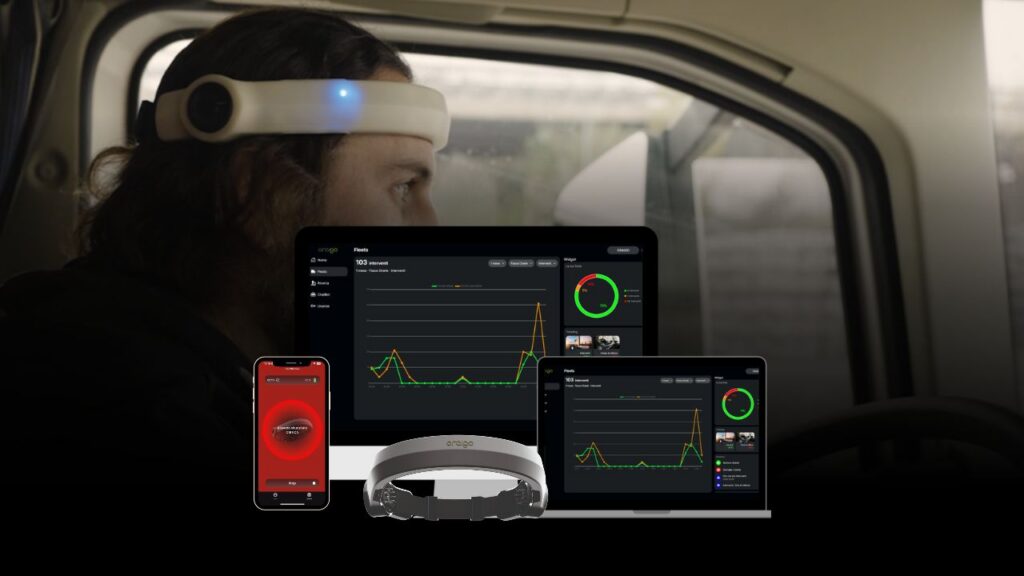
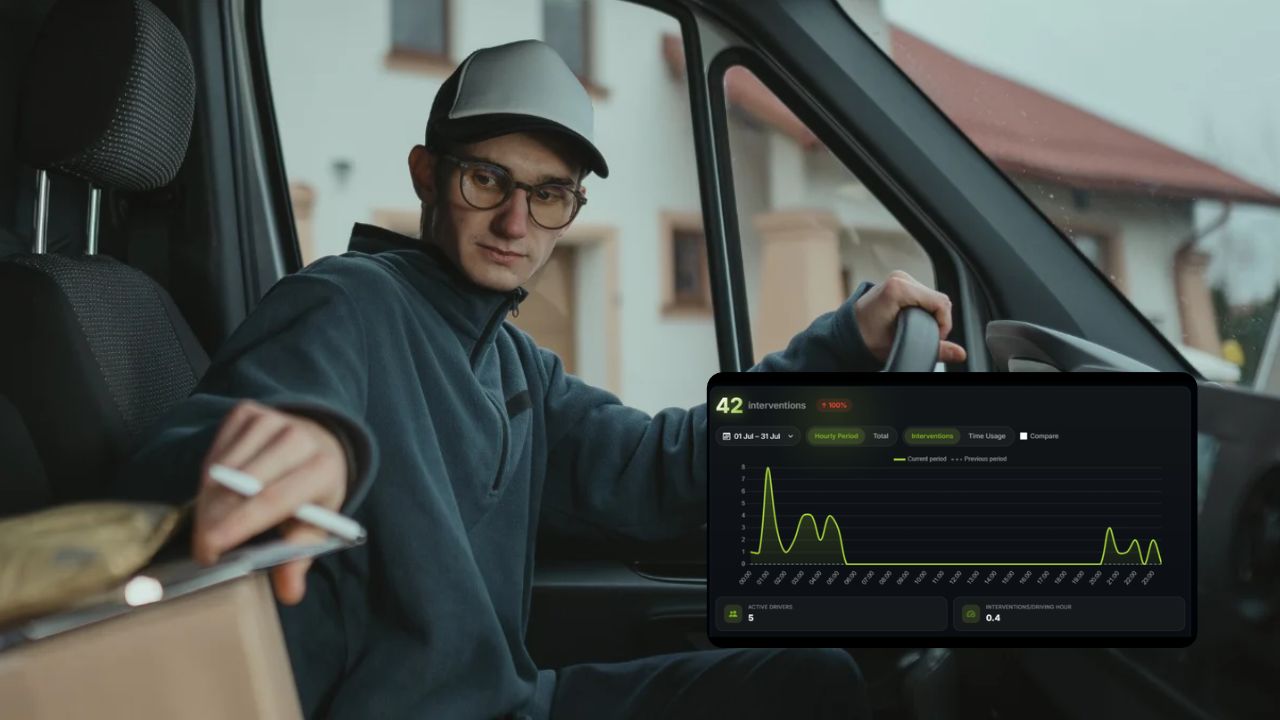
Monitoring technology plays two roles in an FRMS. In the cab, it warns the driver in real time. At fleet level, it produces the objective data the rest of the system depends on: which rosters, routes and shift patterns produce the most fatigue.
💡 Key insight: EEG-based monitoring reads alertness directly from brain activity, before visible signs appear. With no camera and anonymous fleet data, it supports a non-punitive reporting culture rather than undermining it.
📘 Read more: the technologies, how they compare and how to choose in our guide to driver fatigue monitoring systems.
FRMS maturity: where is your fleet?
Most fleets sit at level 1 or 2. Moving to level 3 is mostly about process. Reaching level 4 needs objective data on fatigue, not just on hours.
KPIs for reporting and audit
Track a mix of leading indicators, which warn before harm, and lagging indicators, which confirm what happened:
Documented fatigue controls also strengthen your position with insurers. See Fleet Insurance Costs: How Safety Measures Lower Premiums.
Setting up an FRMS: a 90-day roadmap
Add objective data to your FRMS
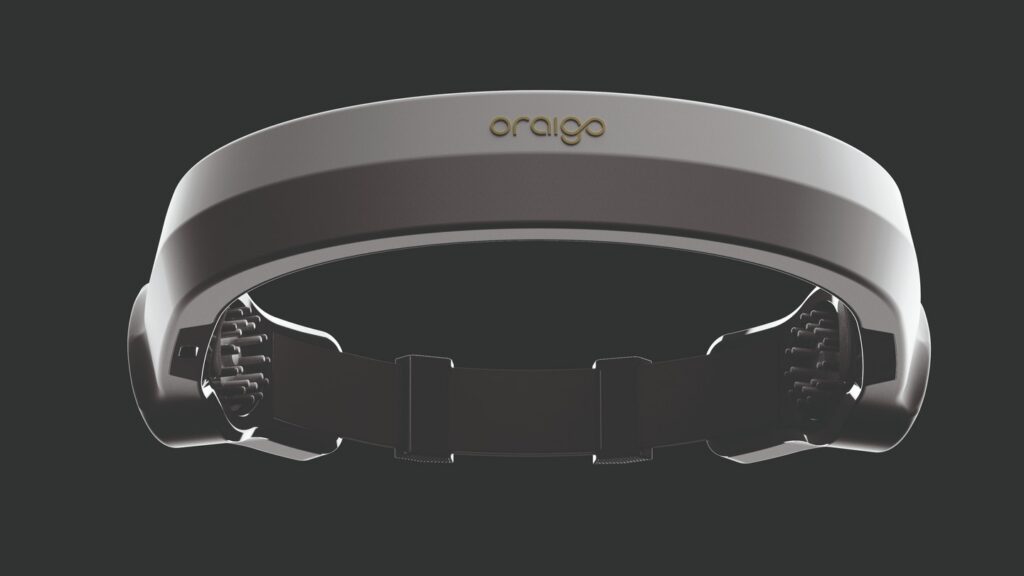
Oraigo’s EEG headband, Go app and Fleets dashboard give your FRMS the missing layer: real-time alerts for drivers and anonymised fatigue data for planners and auditors. Start a free pilot or talk to one of our specialists.