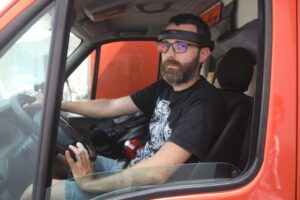
Tighter delivery windows and a persistent driver shortage are pushing long-haul operators to their limits, and fatigue is the risk that grows quietly behind the wheel. This guide compares the main technologies to help you choose the best fatigue detection system for trucks in 2026, on accuracy, privacy and return on investment.
Key takeaways
- Around 1 in 5 road crashes are sleep-related, and long-haul trucking carries some of the highest risk.
- There are four categories: EEG neuro-tech, computer vision, predictive models and telematics.
- Only EEG is truly preventive; cameras and telematics react once symptoms or driving changes appear.
- Choose on accuracy, ease of rollout and privacy, and win driver buy-in with transparency.
Why fatigue detection matters on the long haul
According to the European Road Safety Observatory, around 1 in 5 crashes are sleep-related. Unlike a glance at a phone, fatigue degrades every part of driving: reactions, judgement and, at worst, consciousness itself. Detection technology has evolved to meet it:
How modern fatigue detection systems work
Today’s systems draw on four main technologies, each stepping in at a different moment:
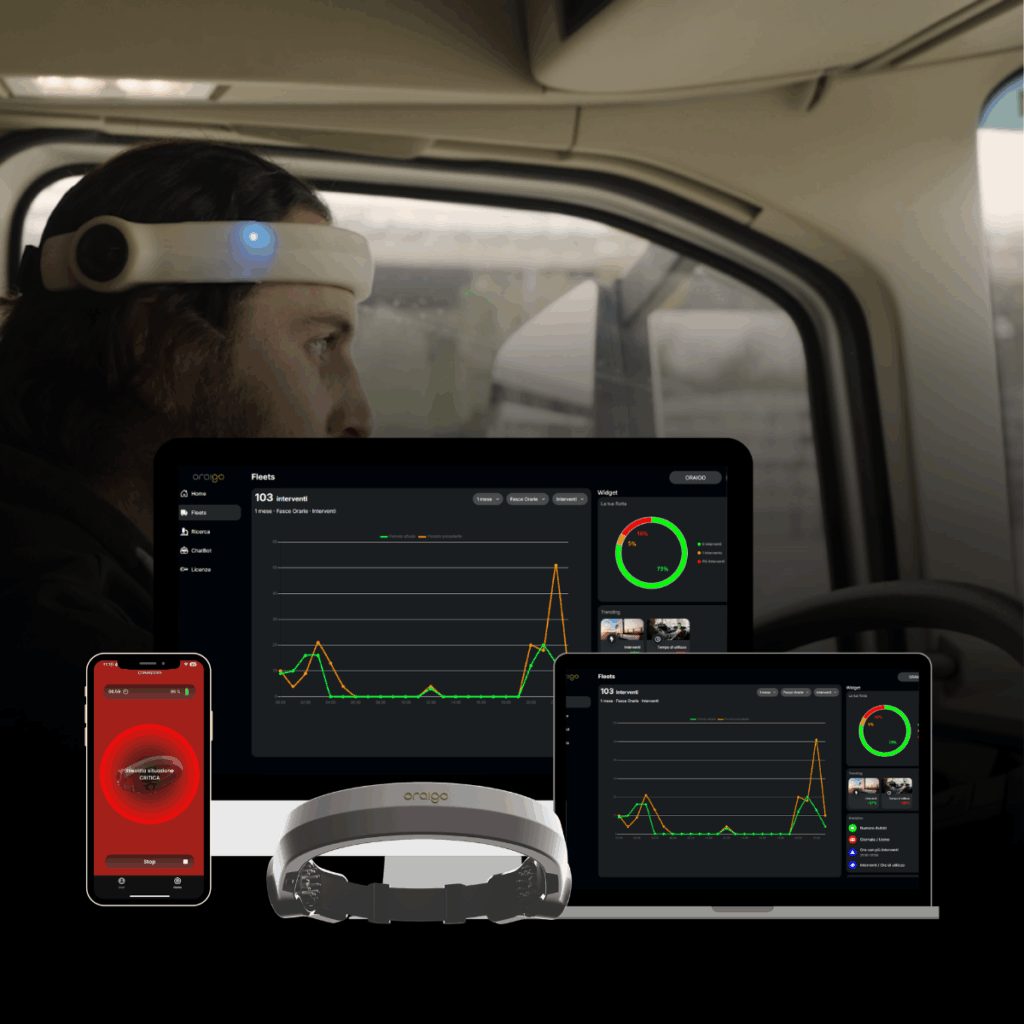
The best fatigue detection system for trucks analyses fatigue events on the device itself, so alerts reach the driver in milliseconds at motorway speed, while data flows to a fleet dashboard for coaching and scheduling. And because no single sensor is perfect, combining several (sensor fusion) reduces both missed events and false alarms.
Why every truck fleet needs one
More on the insurance angle in Fleet Insurance Costs: How Safety Measures Lower Premiums.
Best fatigue detection systems for trucks: 2026 category comparison
Ranked from most proactive to most reactive:
At a glance
| Category | Method | Timing | Privacy |
|---|---|---|---|
| Neuro-tech (EEG) | Brainwaves | Preventive, before symptoms | High: no video |
| Computer vision | Face & eye tracking | Reactive, early symptoms | Low: constant video |
| Predictive models | Schedule & sleep data | Pre-shift forecast | High: data-based |
| Telematics | Steering & lane input | Reactive, after driving changes | High: non-intrusive |
Buyer’s guide: Choosing the Best Fatigue Detection System for Trucks
📘 Read more: a scored comparison of EEG, cameras and vehicle signals in Driver Drowsiness Detection: How EEG and Cameras Compare.
Getting driver buy-in
The best system is the one drivers actually use. Two things make the difference:
- Start with a pilot group of volunteers
- Keep setup to minutes per shift
- Fit it into existing routines and tools
- Show what data is collected, and what isn’t
- Frame alerts as protection, not discipline
- Share fleet-level results with drivers

💡 Key insight: Drivers adopt technology that clearly protects them. When they understand there’s no camera and no individual surveillance, resistance turns into advocacy.
Choose the right system for your fleet
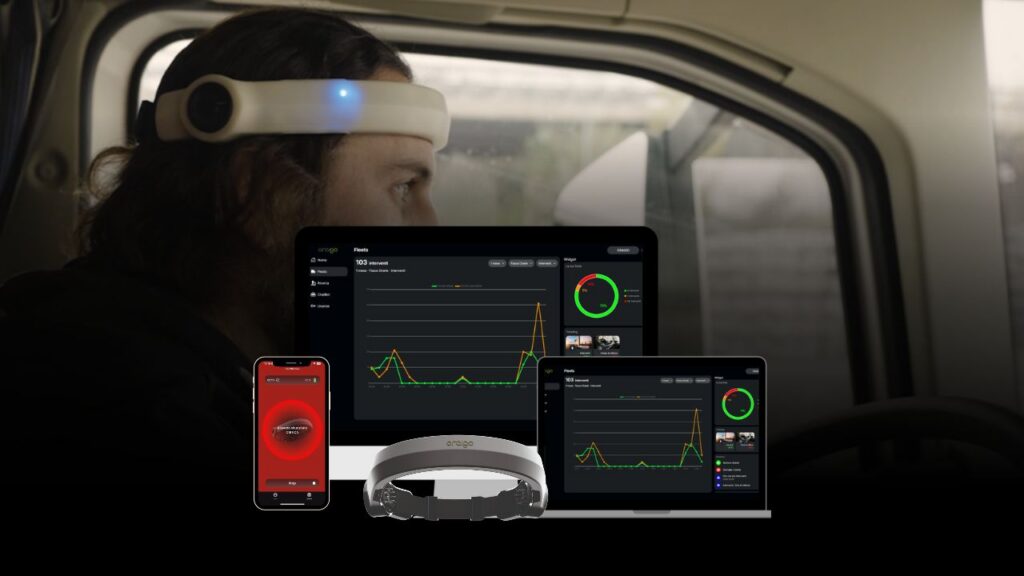
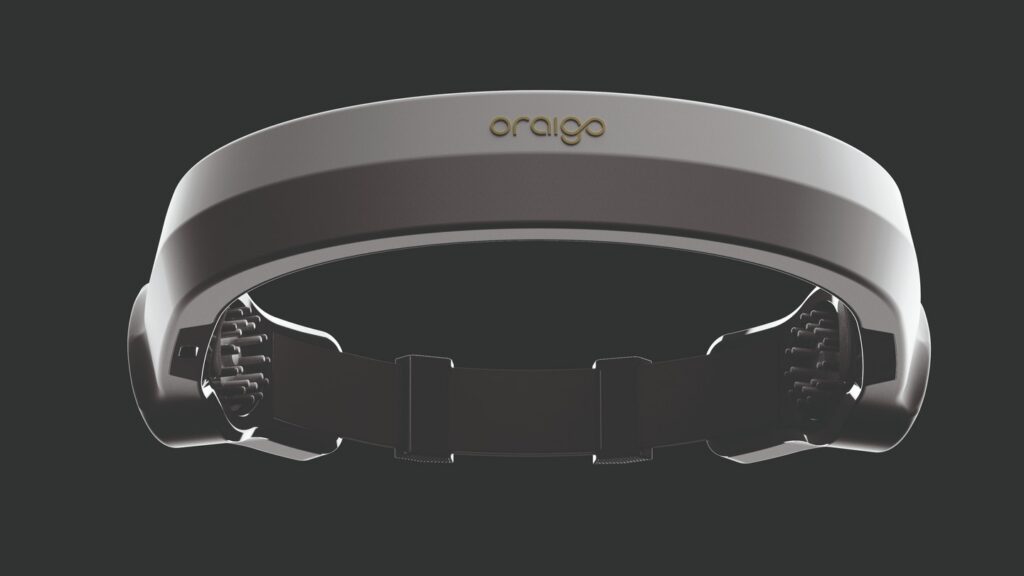
For long-haul fleets where fatigue is the main risk, preventive EEG monitoring offers the earliest warning with the least privacy friction. Oraigo combines the Aigo headband, the Go app and the Fleets platform into one ecosystem. Start a free pilot or talk to one of our specialists.