The Hidden Risk Behind the Wheel
Three seconds. That’s all it takes for tragedy to strike. Even a microsleep lasting just a few seconds can change everything: transforming a routine commute into a devastating collision, a safe delivery into a fatal accident, a life into a statistic.
Microsleeps are short, involuntary attention lapses lasting from a fraction of a second to several seconds, particularly dangerous in high-speed environments such as highway driving. During these brief episodes, drivers completely lose consciousness and responsiveness while their vehicles continue moving at full speed. The state of unconsciousness that can occur to the driver could lead to devastating road accidents.
But what if we could detect these dangerous moments before they happen? Not when eyes finally close or the head starts nodding, but when the brain first begins to show signs of microsleep.
This is where EEG fatigue detection technology represents a revolutionary shift in preventing drowsy driving. It detects microsleep when it occurs through the use of the Electroencephalograph (EEG) brainwave. Unlike traditional camera-based systems that react to visible symptoms after fatigue has already compromised safety, EEG fatigue detection technology identifies fatigue well before it becomes visible, allowing operators to take preventive measures.
This article explores how EEG technology works, why it outperforms traditional detection methods, and how to integrate this technology into your fleets, thus deploying this life-saving innovation to protect your drivers and everyone sharing the road.

What Is Microsleep and Why Is It Dangerous?
Microsleep is a brief, involuntary episode of sleep that typically lasts between a fraction of a second and up to 30 seconds. During this time, a person temporarily loses awareness of their surroundings, even though their eyes might still be open. For drivers, this means drifting out of lanes, delayed reaction times, or completely missing visual and auditory cues. The most frightening part is that all of this could be happening without the driver realizing or having any memory of it once it’s over.
Unlike regular tiredness, microsleep is the brain’s forced shutdown in response to extreme fatigue. It can strike suddenly, especially during monotonous activities such as highway driving, night shifts, or long-haul routes. The danger lies in its unpredictability: even a two-second lapse at 100 km/h means traveling over 50 meters completely unconscious. You can learn more about microsleep by referring to the post we wrote dedicated to it.
Studies show that fatigue contributes to up to 20% of all truck accidents, making microsleep one of the most underestimated safety risks on the road. And because drivers often underestimate their tiredness or are too afraid to admit it to their managers, traditional self-monitoring is ineffective.
That’s where microsleep detection technology comes in, providing an external safety net that identifies early neurological or behavioral warning signs before the driver reaches this critical stage. Detecting fatigue early means preventing accidents, optimizing schedules, and most importantly, saving lives.
How EEG Fatigue Detection Technology Detects Fatigue
EEG, or electroencephalography, measures the brain’s electrical activity in real time. When we become tired, our brainwaves begin to change. Specifically, there’s an increase in slower alpha and theta waves and a decrease in fast beta waves, which are associated with alertness and focus. These subtle shifts often occur well before physical signs of drowsiness, such as yawning or head nodding, start to show.
EEG fatigue detection systems use sensors placed on the scalp or integrated into wearable headbands to continuously record these signals. Artificial intelligence and machine learning algorithms then analyze the brainwave patterns, distinguishing between states of focus and drowsiness.
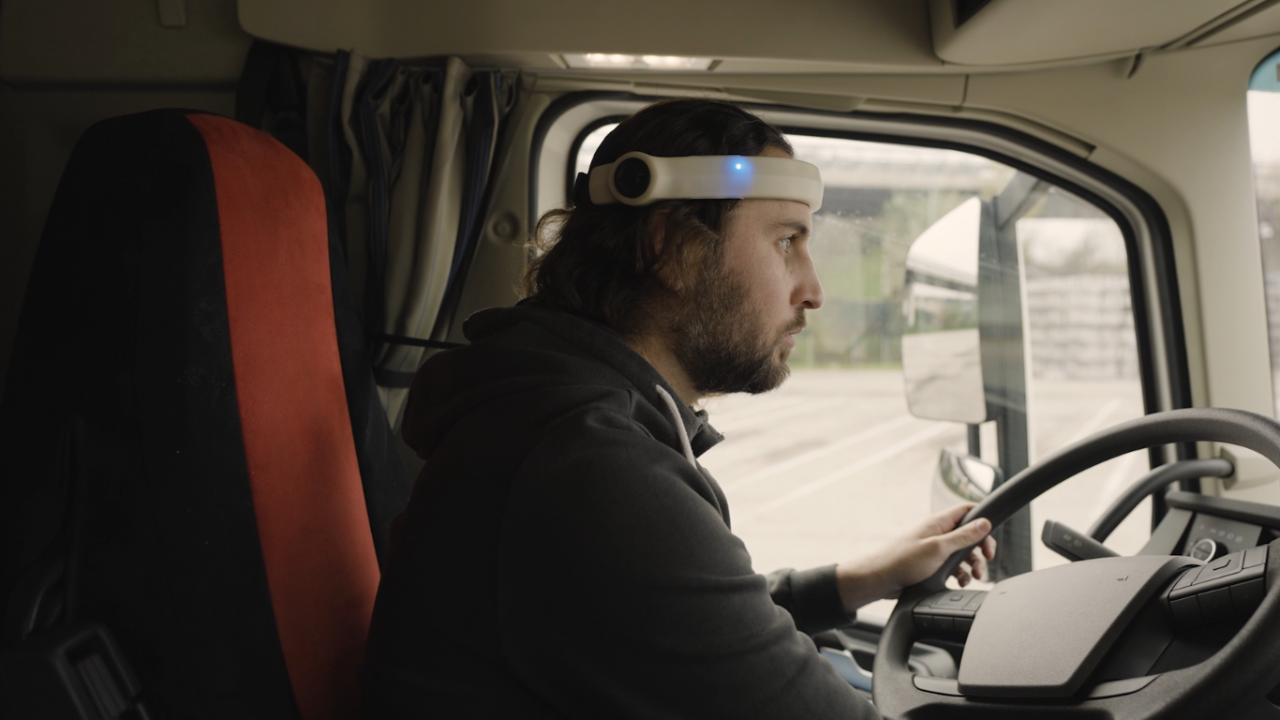
When the system detects a critical drop in alertness, it triggers immediate alerts, through sound, vibration, or visual signals, to help the driver regain focus.
What makes EEG fatigue detection so powerful is its proactive approach: it doesn’t wait for a mistake or reaction delay to occur. Instead, it monitors cognitive performance directly from its source: the brain. This allows for intervention up to 10 minutes before microsleep happens, in the case of Oraigo’s technology. This makes it one of the most advanced and reliable methods of fatigue prevention available today.
How EEG Fatigue Detection Technology Works in Action: The case of Oraigo’s Ecosystem
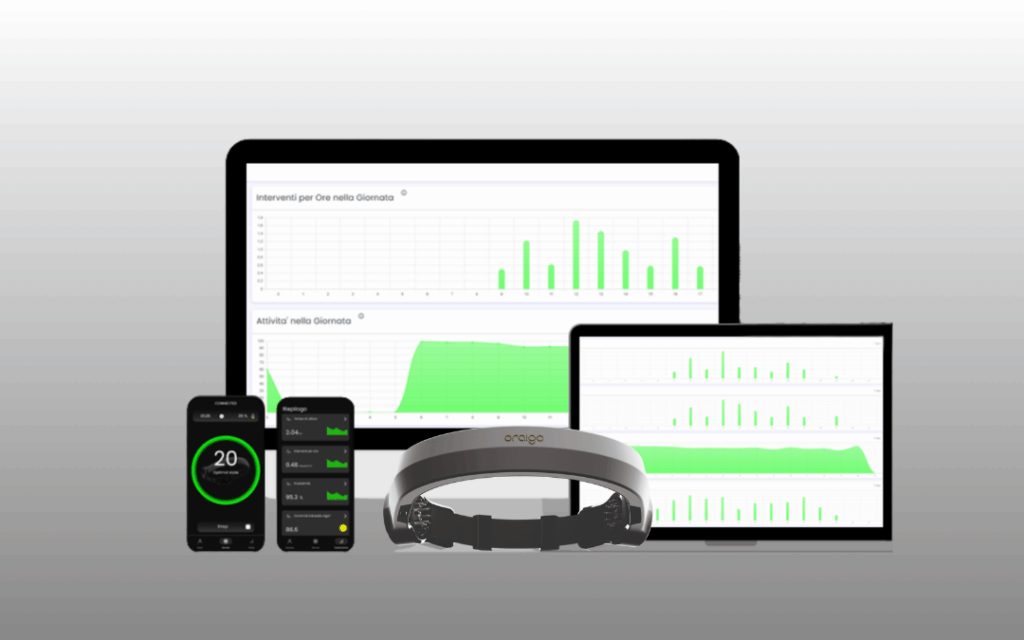
EEG fatigue detection may sound complex, but the process is surprisingly seamless from a driver’s perspective. The system begins with a lightweight wearable device, such as Oraigo’s lightweight (only 222 grams) Aigo headband, which sits comfortably on the driver’s head. Embedded sensors continuously capture the driver’s brainwave activity, focusing on the patterns that signal fatigue or decreased cognitive engagement.
These brain signals are sent in real time to the connected Go mobile app, where advanced algorithms analyze them within milliseconds. When the system identifies early markers of drowsiness or reduced attention, it activates multi-sensory alerts, auditory tones, gentle vibrations, or visual cues, designed to immediately restore awareness without startling the driver.
At the same time, the data is securely transmitted to the Fleets web platform, where fleet managers can view real-time dashboards and long-term analytics. This enables proactive fatigue management, helping managers adjust routes, rest schedules, and workloads based on real, physiological data rather than guesswork.
In essence, EEG-based fatigue detection transforms raw brainwave data into actionable safety measures. It bridges neuroscience and mobility, turning every drive into an opportunity for smarter, safer operations, all while keeping privacy and comfort at the forefront.
Beyond Safety: Benefits of EEG Fatigue Detection for Fleets
EEG-based microsleep detection represents a fundamental shift in fleet safety, from reaction to prevention. By identifying early changes in brainwave activity, this technology alerts drivers before fatigue turns into risk, helping prevent dangerous drowsiness rather than respond to it.
Beyond safety, EEG fatigue detection aligns with emerging EU regulations and initiatives like Vision Zero, which aim to eliminate road fatalities entirely. Integrating EEG technology supports compliance while positioning fleets at the forefront of responsible and innovative transport.
The benefits extend to operational efficiency as well. Fewer fatigue-related incidents mean reduced accident downtime, lower insurance premiums, and minimized vehicle damage, directly impacting a fleet operation’s productivity. At the same time, the system promotes driver wellbeing, encouraging proper rest breaks and raising awareness about mental and physical health.
EEG data also offers powerful insights. Fleet managers can identify recurring fatigue patterns, adjust shift schedules, and tailor interventions for high-risk drivers. At Oraigo, we offer a free demo not only for your fleet to test our fatigue detection system, but also to gain data regarding the fatigue patterns that occur within its operations. You can book your pilot project by contacting info@oraigo-posts.local or by booking a slot to meet with one of our specialists here.
With these advantages, EEG fatigue detection technology is no longer just a safety measure, it’s a strategic tool reshaping how fleets operate and care for their people and everyone on the road.
Implementation: How to Bring EEG Fatigue Detection Technology to Your Fleet
Adopting EEG fatigue detection technology doesn’t have to be complicated, it just takes a structured approach. Here are the basic steps briefly explained, in order for your fleet to get on board on EEG detection technology.
Step 1:Start small by testing EEG technology with a selected group of drivers. This helps you understand your team’s unique fatigue patterns and operational needs. You can learn more about our free pilot project and how it can introduce you to the world of EEG fatigue detection systems.
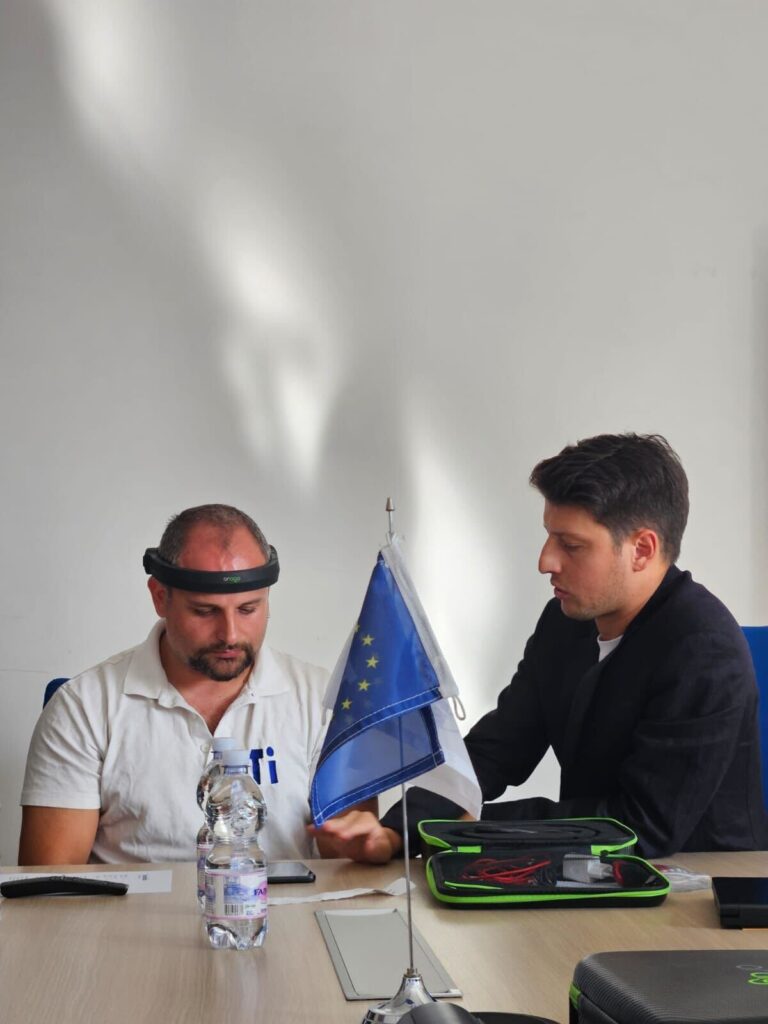
Step 2: Train drivers and managers to understand system alerts and how to respond effectively. Introduce the system through onboarding sessions that explain how EEG works and how alerts support, not monitor, the driver. Building trust is key to successful adoption.
Step 3: Integrate the technology with your existing telematics and safety infrastructure for seamless data flow. We understand that seamless integration is a big factor in adopting technology. For this reason, we designed Oraigo’s platform to connect seamlessly with telematics, fleet management software, and compliance dashboards for real-time insights.
Step 4: Leverage fleet analytics to refine schedules, reduce fatigue, and enhance productivity.
Dive into the world of EEG Fatigue Detection Systems with Oraigo!
EEG fatigue detection is revolutionizing fleet safety, by identifying microsleeps before they happen and preventing accidents before they occur. This shift from reactive to proactive detection isn’t just saving lives; it’s shaping the future of intelligent mobility.
At Oraigo, we’re transforming neuroscience into real-world driver protection, helping fleets stay safer, smarter, and more efficient on the road.
Oraigo detects driver drowsiness while driving up to 10 minutes before physical signs of fatigue appear. How? By monitoring brain waves in real time through a lightweight, comfortable EEG headband.
While other systems react to closed eyes and yawning, Oraigo’s ecosystem prevents it. It detects fatigue at the neurological level, when the brain starts showing signs of fatigue, before it leads to dangerous situations.
The result? Fewer accidents. Greater safety. Protected drivers. More efficient fleets.
Ready to discover how Oraigo’s EEG fatigue detection technology can protect your drivers, optimize your operations and reduce costs?
Visit oraigo.com, send an email to info@oraigo-posts.local or book a call to start your free of cost pilot project.