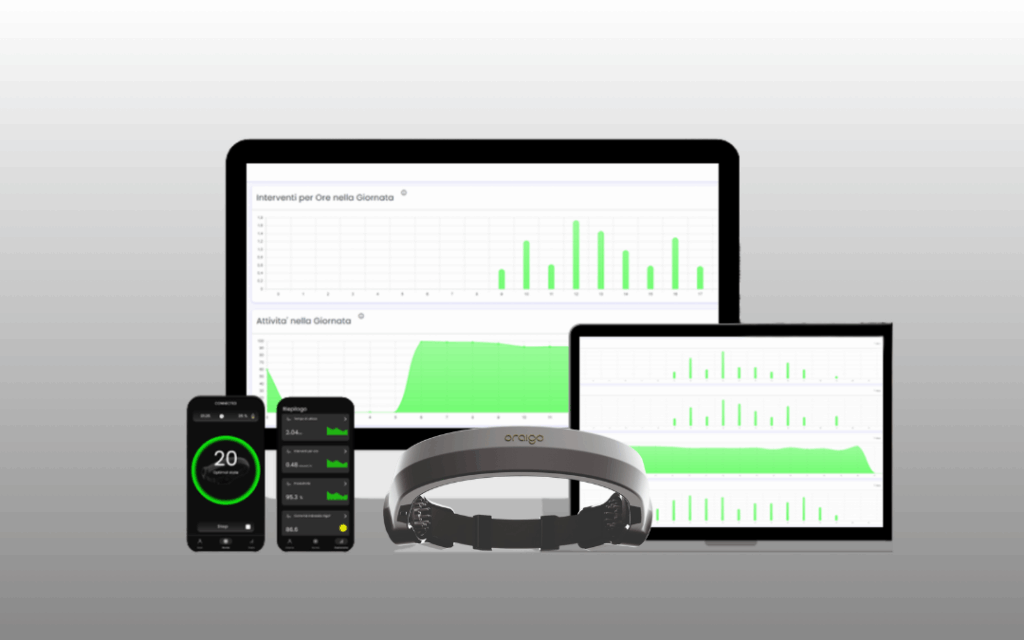
Driver Fatigue: The Silent Killer on the Road
Every year, thousands of fleet accidents are caused not by distraction or speeding, but by a driver who simply couldn’t keep their eyes open. Fatigue is one of the most dangerous and least visible risks in commercial transport. Unlike a red light or a sharp bend, it gives no warning. It builds silently across long shifts, overnight hauls, and monotonous motorway stretches, until it’s too late.
Recent reports have shown that fatigue is extremely unreported in car accidents. According to The Governors Highway Safety Association (GHSA), people that have died in suspected drowsy driving crashes is likely 10 times higher than the number reported by the Federal crash data.
The challenge for fleet operators isn’t awareness. Most already know fatigue is a problem. The real challenge is detection: knowing which driver, on which route, right now, is approaching a dangerous level of impairment.
That’s exactly what a real-time driver fatigue monitoring solution is built to do. In this guide, we’ll break down how these systems work, how leading technologies compare, and how to implement one effectively across your fleet, before the next close call happens.
Why Real-Time Fatigue Monitoring Is a Fleet Priority
The Hidden Risk on Every Route
Fatigue doesn’t announce itself. A driver can feel reasonably alert while their reaction time is already dangerously slowed. Microsleeps, involuntary lapses in consciousness lasting just two to five seconds, can occur without the driver ever realizing it. At 90 km/h, that’s 125 meters traveled with nobody in control. No braking. No steering. No warning.
Unlike speeding or harsh braking, fatigue leaves no data trail after an incident. It’s invisible in dashcam footage, and drivers rarely admit to it, either out of embarrassment or fear of consequences.
The Business Case for Acting Now
For fleet operators, the financial exposure is significant. A single serious fatigue-related accident can trigger vehicle write-offs, insurance premium hikes, regulatory investigations, and legal claims that take years to resolve. Beyond the numbers, delivery disruptions and reputational damage compound the cost further.
Regulatory pressure is also tightening. EU and US authorities are increasingly expecting fleets to go beyond hours-of-service rules and adopt active, technology-driven monitoring.
The bottom line: a real-time driver fatigue monitoring solution is no longer a competitive advantage, it’s becoming the baseline expectation for responsible fleet management.
Understanding Driver Fatigue: What Fleets Need to Know
What Is Driver Fatigue, Really?
Driver fatigue is more than feeling tired at the wheel. It’s a measurable physiological state in which cognitive function, reaction time, and situational awareness are all significantly impaired, often without the driver being fully aware of it. It’s important to distinguish between fatigue (cumulative mental and physical depletion), drowsiness (the immediate urge to sleep), and microsleep (brief, involuntary loss of consciousness). Each represents a progressively more dangerous stage, and each requires a different level of intervention.
What Causes It in Fleet Drivers?
The triggers are numerous and often compound each other. Long shifts and night driving disrupt circadian rhythms, making the body fight its own natural sleep cycle. Monotonous highway stretches — commonly known as “highway hypnosis” — can lull even a well-rested driver into a semi-drowsy state. Add undiagnosed sleep disorders, chronic sleep debt, poor nutrition, stress, and in-cab environmental factors like heat and vibration, and the risk profile becomes substantial.
Why Self-Reporting Fails
Drivers consistently underestimate their own fatigue levels — both unintentionally, because impairment distorts self-perception, and deliberately, due to schedule pressure. Feeling “fine” is not a reliable safety indicator. This is precisely why objective, a real-time driver fatigue monitoring solution is essential.
The Limits of Traditional Fatigue Management
For decades, fleets have relied on Hours of Service regulations, mandatory rest breaks, driver logbooks, and wellness check-ins to manage fatigue. These frameworks exist for good reason, and they’ve undoubtedly prevented accidents. But they share a fundamental flaw: they manage schedules, not cognitive state.
Rest periods don’t guarantee quality sleep. A driver who completes their mandatory break but suffers from sleep apnea, anxiety, or simply couldn’t wind down in a noisy truck stop arrives back behind the wheel legally compliant, but physically unfit to drive.
Logbooks and self-reporting introduce another layer of unreliability. Under delivery pressure, drivers routinely push through fatigue rather than flag it.
The result is a dangerous blind spot: fleet managers have visibility over where their vehicles are and how fast they’re moving, but no visibility into the cognitive state of the person driving them. That’s the gap real-time monitoring exists to close.
How Real-Time Driver Fatigue Monitoring Solutions Work
The Core Principle: Detect Before It’s Dangerous
The defining feature of a real-time driver fatigue monitoring solution is its ability to shift safety from reactive to proactive. Rather than logging what went wrong after an incident, these systems identify impairment as it develops and trigger interventions before risk escalates. They do this by drawing on three main data inputs: physiological signals, behavioral and visual cues, and vehicle dynamics.
Physiological Monitoring (EEG and Biometric Wearables)
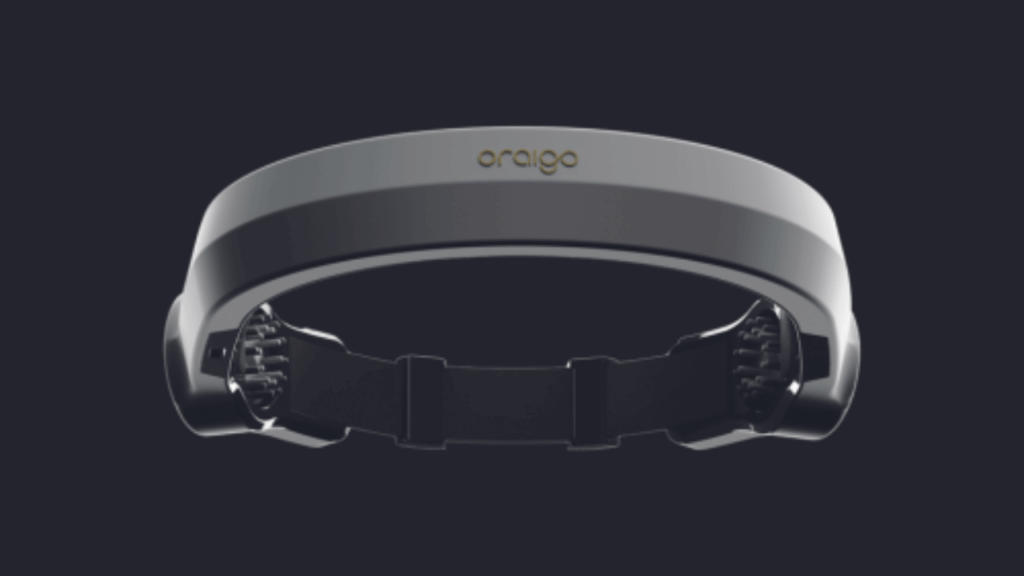
The most advanced category in fatigue detection measures what’s happening inside the driver’s body directly. EEG headbands, for example, analyze brainwave activity in real time, identifying the neurological signatures of drowsiness often before the driver consciously feels tired. Other wearables track heart rate variability, galvanic skin response, and eye movement as supporting indicators. The key advantage is that physiological systems detect fatigue at its source rather than waiting for it to manifest in behavior. Alerts are typically multi-sensory, combining audio, vibration, and visual signals to prompt the driver to act safely.
Camera-Based AI Systems
AI-powered driver-facing cameras analyze facial cues such as drooping eyelids, yawning, and head bobbing to infer drowsiness. They are widely deployed and integrate easily with existing dashcam infrastructure. Their main limitation is timing: cameras can only detect fatigue once it is visually apparent, making them a later-stage detection tool compared to physiological systems.
Vehicle Telematics and Behavioral Data
Lane departure patterns, erratic steering, and irregular braking are all established proxies for driver fatigue. Most modern telematics platforms include some level of fatigue inference based on these signals. Like camera systems, however, they react to symptoms rather than causes, meaning impairment has already taken hold by the time an alert fires.
Comparing Real-Time Fatigue Monitoring Solutions: Which Is Right for Your Fleet?
Evaluation Criteria for Fleet Managers
Not every real-time driver fatigue monitoring solution will suit every fleet. The right choice depends on a combination of operational, technical, and regulatory factors. When evaluating options, fleet managers should consider the following: how early the system detects fatigue; how accurate it is and how often it generates false alerts; how easily it integrates with existing fleet management software; whether it can scale across a large or mixed vehicle fleet; how it handles sensitive driver data in compliance with regional privacy regulations such as GDPR; and the total cost of ownership including hardware, software, training, and ongoing maintenance.
Technology Comparison at a Glance
| Technology | Detection Speed | Accuracy | Privacy Sensitivity | Best For |
| EEG / Biometric Wearables | Very Early | Very High | Moderate | High-risk, long-haul routes |
| Camera-Based AI | Moderate | High | Moderate | Mixed urban and highway fleets |
| Vehicle Telematics | Late | Moderate | Moderate | Baseline monitoring, easy deployment |
| Multi-Modal Combined | Early and Layered | Highest | Varies | Enterprise fleets, highest safety standards |
The Multi-Modal Advantage
For fleets where safety is non-negotiable, combining technologies delivers the strongest results. EEG captures the early neurological signal. Camera systems confirm visual behavioral cues. Telematics validates the picture with vehicle performance data. Together, they create a layered safety net that is more accurate, more reliable, and far harder to fool than any single system operating alone. Redundancy across data sources also reduces false positives, which is critical for maintaining driver trust in the technology.
Key Features to Look for in a Real-Time Driver Fatigue Monitoring Solution
When shortlisting vendors, it helps to move beyond marketing claims and evaluate solutions against a concrete set of capabilities. The following features separate genuinely effective systems from those that simply check a compliance box.
- Real-time alerting with minimal latency, delivered both in-cab and to the fleet dashboard simultaneously.
- Fleet-wide visibility through a centralized platform that surfaces fatigue risk scores, active alerts, and trend data across all vehicles at once.
- Historical reporting that allows managers to identify patterns by driver, route, shift length, and time of day.
- Integration compatibility with existing telematics, dispatch, or transport management systems via open APIs.
- Driver-facing feedback that is firm enough to prompt action but calibrated to avoid startling the driver at speed.
- Data privacy protections including anonymized storage, clear consent workflows, and full compliance with applicable regulations.
- And finally, ease of adoption for drivers, because a system nobody wants to wear or use will never deliver its promised safety benefits.
Implementation Best Practices for Fleet Operators
Start with a Pilot Program
Rolling out a real-time driver fatigue monitoring solution across an entire fleet at once is rarely the right approach. A structured pilot across a representative subset of routes and drivers allows managers to evaluate system performance in real operating conditions, gather honest driver feedback, and identify any integration issues before committing to full deployment. Select pilot participants from your highest-risk segments: night shift drivers, long-haul routes, or schedules with known fatigue pressure points. Define clear KPIs from the outset, such as reduction in fatigue alert frequency, response times, and near-miss incidents, so the pilot generates actionable data rather than just impressions.
Oraigo offers a 30-day free pilot project for fleet that are ready to revolutionize their driver safety monitoring system. Contact us for more information, or book your call with one of our professionals!

Bring Drivers Into the Process
Technology adoption fails when drivers feel monitored rather than protected. From the very first communication, frame fatigue monitoring as a tool that works for them, not against them. Be transparent about what data is collected, how it is stored, who can access it, and what it will never be used for. Hands-on training sessions are far more effective than policy documents. When drivers understand the system and trust its intentions, compliance and engagement follow naturally.
Integrate with Existing Operations
Connect your fatigue monitoring platform to your dispatch and scheduling systems so that alerts can trigger practical responses in real time, such as recommending a rest stop or reassigning a route. Fatigue data should also feed into shift planning to prevent high-risk scheduling patterns from repeating.
Analyze, Adjust, and Build a Safety Culture
Regular review of fatigue trend data often reveals systemic issues that go beyond individual drivers. Pair technology insights with broader wellness initiatives, open feedback channels, and a management culture that genuinely prioritizes rest. The technology sets the foundation; the culture determines whether it sticks.
The ROI of Real-Time Fatigue Monitoring
Fleet managers are often asked to justify the cost of safety technology to stakeholders focused on margins. The good news is that a real-time driver fatigue monitoring solution makes a compelling financial case on its own terms.
On the direct savings side, fewer accidents translate immediately into lower repair bills, reduced insurance premiums, and fewer legal claims. A single serious incident avoided can offset an entire year of monitoring costs across a mid-sized fleet.
Operationally, proactive fatigue management means fewer unplanned stops, less vehicle downtime, and more predictable delivery performance. From a compliance perspective, documented monitoring data provides defensible evidence in the event of a regulatory audit or legal dispute.
Perhaps less obvious but equally significant is the impact on driver retention. Drivers who feel genuinely protected by their employer are more likely to stay, reducing recruitment and onboarding costs in an industry where experienced drivers are increasingly difficult to find and keep.
The Future of Real-Time Fatigue Monitoring in Fleets
The next frontier in fatigue management is prediction rather than detection. Emerging systems are beginning to combine EEG baselines, historical sleep patterns, route profiles, and shift data to forecast fatigue risk before a driver even starts their journey.
Regulatory direction is moving in the same trajectory. Governments and insurers across Europe and North America are increasingly signaling that active, technology-driven monitoring will become a compliance requirement rather than a voluntary investment.
As vehicle connectivity and AI capabilities continue to mature, real-time driver fatigue monitoring solutions will become deeper, faster, and more seamlessly embedded into the broader fleet safety ecosystem. The fleets building these foundations today will be the ones setting the standard tomorrow.
Conclusion
Driver fatigue has been an accepted risk in fleet operations for too long. Accepted not because it is unavoidable, but because the tools to address it in real time simply did not exist at scale. That is no longer the case.
A robust real-time driver fatigue monitoring solution gives fleet operators something they have never had before: genuine visibility into driver cognitive state, in the moment, on every route. Combined with the right implementation approach and a culture that treats driver wellbeing as a operational priority, these systems represent a fundamental shift in what fleet safety can look like.
The question is no longer whether fatigue monitoring technology works. It does. The question is how much longer your fleet can afford to operate without it.
Ready to take the next step? Discover how Oraigo’s real-time driver fatigue monitoring solution can protect your drivers, your vehicles, and your business. Book a free consultation with our specialists today.