

Why consider Public Transport Safety Monitoring
Every day, millions of people rely on buses, trams, metros, and intercity coaches to get to work, school, and home safely. Public transportation is one of the most critical pillars of modern urban life. Yet behind every route, schedule, and vehicle is a single human operator responsible for the safety of dozens, sometimes hundreds, of passengers at any given moment.
As cities grow denser and mobility networks become more complex, the safety expectations placed on public transport operators continue to rise. It is no longer enough for vehicles to be mechanically sound or routes to be efficiently planned. Today, public transport safety monitoring must go beyond vehicle diagnostics and traffic management. It must address the most unpredictable variable in the system: human performance.
Driver fatigue, cognitive overload, stress, and reduced alertness remain among the leading risk factors in transportation incidents worldwide. Public transport operators often work long shifts, repetitive routes, night schedules, and high-pressure urban environments. Even the most experienced and responsible drivers are not immune to the biological limits of attention and wakefulness. And when a lapse occurs in public transport, the consequences can affect not just one individual, but entire communities.
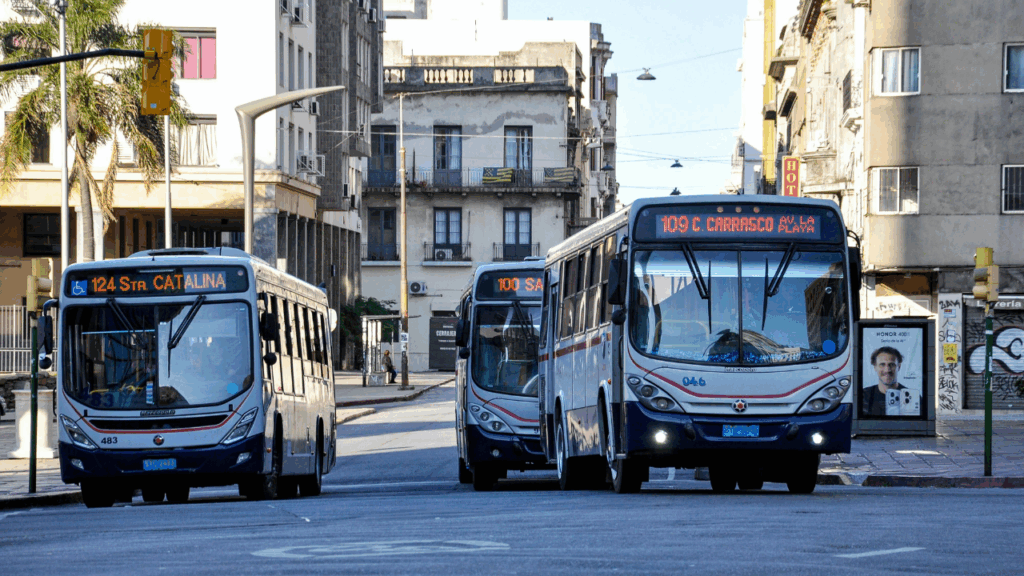
For decades, safety systems have focused primarily on monitoring vehicles and external environments. But a true preventive safety strategy requires a shift in perspective. Modern transport safety technology is now evolving to monitor what matters most: the real-time cognitive state of the operator behind the wheel.
Public transport safety monitoring is no longer reactive, it is becoming predictive. By integrating human-centered technologies with fleet management systems, transport authorities and operators can move from investigating incidents after they happen to preventing them before they occur.
Protecting passengers and operators in 2026 and beyond demands more than compliance. It demands innovation, foresight, and a commitment to understanding the human factor at the core of mobility.
Why Public Transport Safety Monitoring Matters More Than Ever
Public transportation systems are carrying more passengers than ever before. Rapid urbanization, environmental policies encouraging shared mobility, and increasing congestion in major cities have made buses, trams, and metro-linked surface transport essential to daily life. With this growth comes amplified responsibility: one driver error in a public transport vehicle can impact dozens of passengers and surrounding road users simultaneously. The scale of potential consequences makes public transport safety monitoring a mission-critical priority.
At the same time, operating conditions have become more demanding. Drivers often manage tight schedules, heavy traffic, passenger interactions, unexpected road events, and extended shifts. Night routes, split shifts, and irregular working hours disrupt circadian rhythms, increasing fatigue risk. Even when drivers appear alert, cognitive overload and reduced reaction time can silently build over hours of continuous operation.
Public expectations have also evolved. Communities demand transparency, accountability, and proactive safety standards from public operators. A single preventable incident can damage public trust, trigger regulatory scrutiny, and lead to significant financial and legal repercussions. Insurance costs, operational downtime, reputational harm, and workforce strain compound the impact.
In this environment, reactive safety strategies are no longer sufficient. Public transport safety monitoring must move beyond tracking vehicles and begin actively safeguarding the human element behind the wheel. The stakes, human lives, public confidence, and operational continuity, have never been higher.
Traditional Safety Measures in Public Transport
For decades, safety strategies in public transportation have focused primarily on the vehicle and the surrounding environment. Mechanical reliability has been the foundation: routine maintenance programs, brake system monitoring, tire pressure sensors, and engine diagnostics help ensure that buses and coaches remain roadworthy. Advanced Driver Assistance Systems (ADAS), such as lane departure warnings, automatic emergency braking, and collision avoidance systems, have further strengthened vehicle-level protection.
In parallel, telematics and GPS tracking have become standard tools in fleet operations. These systems allow operators to monitor speed, harsh braking, route adherence, and fuel efficiency. They provide valuable operational visibility and support post-incident investigations. Similarly, onboard and forward-facing cameras have been widely adopted to record road conditions and driver behavior. AI-powered camera systems now attempt to detect signs of drowsiness, distraction, or phone use through facial recognition and eye-tracking technology.
While these solutions have undoubtedly improved safety standards, they share a common limitation: they monitor external behavior rather than internal cognitive state. Cameras can detect closed eyes, but only after fatigue becomes physically visible. Telematics can flag harsh braking, but only once a risky maneuver has already occurred. Most traditional systems operate within a reactive framework, documenting events or triggering alerts at the moment of observable deviation.
Public transport safety monitoring built solely on vehicle data and visual observation leaves a critical gap: it does not measure what is happening in the driver’s brain before performance declines. As transportation networks grow more complex, relying exclusively on behavior-based monitoring may no longer be enough to prevent incidents proactively.
The Human Factor: The Missing Layer in Public Transport Safety Monitoring
Despite decades of technological advancement in vehicle engineering and fleet management, one element remains inherently variable: the human operator. Research across transportation sectors consistently shows that human factors, including fatigue, distraction, stress, and cognitive overload, contribute to a significant proportion of road incidents.
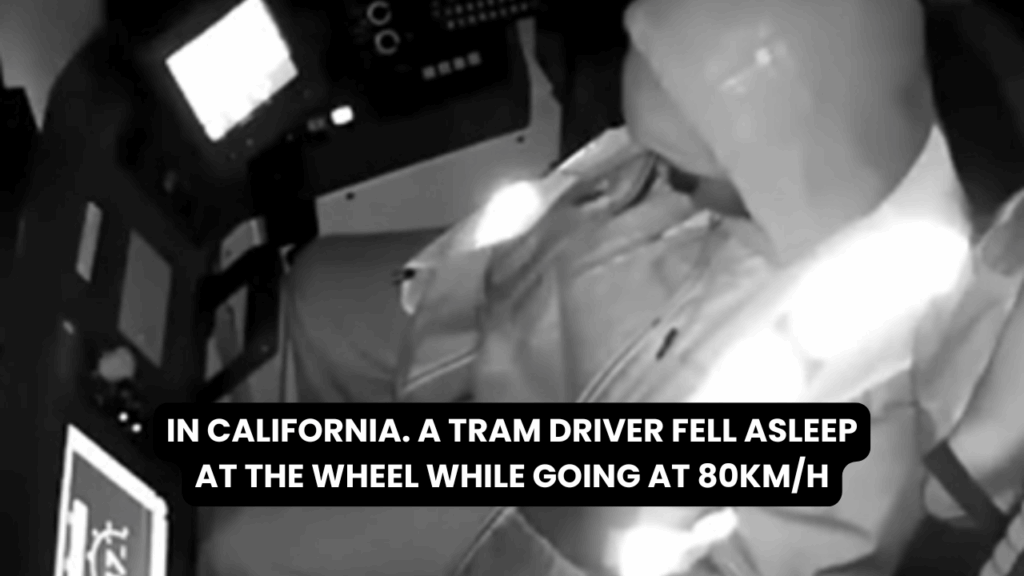
In public transport, where a single driver carries dozens of passengers through dense urban environments, even a brief lapse in attention can have amplified consequences. Let’s give a concrete example: When travelling at 100 km/h, a 3 second microsleep episode means that the driver drove for 27 meters without any consciousness on the road…
Fatigue is particularly complex because it develops gradually and often invisibly. A driver may feel “fine” at the start of a shift but experience declining alertness hours later.
Micro-sleeps can occur in seconds, sometimes without noticeable warning signs:
- Reaction times decrease.
- Decision-making becomes less precise.
- Situational awareness narrows.
Importantly, these cognitive changes can occur before any clear physical indicators, such as prolonged eye closure or head nodding, become visible to camera-based systems.
This is where traditional public transport safety monitoring reaches its limits. Monitoring steering patterns, braking behavior, or facial cues captures symptoms of declining performance, not the neurological state that causes them. By the time observable behavior changes, risk has already increased.
Addressing the human factor requires a more direct and predictive approach. Modern neurotechnology makes it possible to monitor cognitive states in real time through non-invasive wearable sensors. EEG-based systems, for example, can detect patterns associated with drowsiness and reduced alertness before they manifest externally. Instead of waiting for a driver to show visible signs of fatigue, these systems identify early neural markers and trigger timely alerts.
Integrating brain-based monitoring into public transport safety monitoring frameworks adds a critical missing layer, one that focuses not only on what the vehicle is doing, but on the readiness of the person operating it. By shifting from behavioral observation to cognitive insight, transport operators can move closer to truly preventive safety management.
How Modern Public Transport Safety Monitoring Works
Modern public transport safety monitoring has evolved from isolated tools into integrated, multi-layered safety ecosystems. Rather than relying on a single source of data, advanced systems combine vehicle intelligence, environmental awareness, and, most critically, real-time human performance monitoring.
At the foundation remains vehicle-level technology. Telematics, ADAS, and diagnostic systems continue to provide essential data on speed, braking patterns, route adherence, and mechanical health. These systems ensure that the vehicle itself operates within safe parameters. Environmental monitoring, including cameras and proximity sensors, adds contextual awareness of traffic conditions, obstacles, and surrounding road users.
However, the most significant advancement lies in the integration of driver-level monitoring. This layer focuses on the operator’s cognitive state rather than just observable behavior. Wearable, non-invasive EEG-based devices can measure brain activity associated with alertness and fatigue in real time.
Sophisticated algorithms analyze neural patterns continuously, identifying early markers of drowsiness or reduced attention before they manifest as visible symptoms or driving errors.
When risk thresholds are detected, the system can trigger immediate alerts to the driver, allowing for corrective action such as taking a break or increasing alertness. At the fleet level, anonymized dashboards provide safety managers with aggregated insights into fatigue trends across routes, shifts, and schedules. This enables data-driven decisions about shift planning, route assignments, and workload balancing.
Importantly, modern public transport safety monitoring is designed to be proactive rather than punitive. The objective is not surveillance, but prevention. By identifying cognitive risk early, operators can intervene before incidents occur, reducing accidents, protecting passengers, and supporting driver wellbeing.
In essence, today’s transport safety technology creates a continuous feedback loop: detect early, alert immediately, analyze trends, and optimize operations. This shift from reactive reporting to predictive protection represents a fundamental transformation in how public transport systems safeguard both passengers and operators.
We summarized the different driver fatigue detection systems, their strengths and where they fall short.
| System Type | What It Monitors | Preventive (Before Risk Escalates) | Detects Cognitive State | Real-Time Alerts | Post-Incident Analysis | Limitations |
| Vehicle Diagnostics & Maintenance Systems | Mechanical health (brakes, engine, tire pressure, etc.) | ❌ No (prevents mechanical failure, not human risk) | ❌ No | ⚠️ Limited (mechanical alerts only) | ✅ Yes | Does not address driver performance |
| ADAS (Lane Assist, AEB, Collision Warning) | Vehicle movement & proximity to obstacles | ⚠️ Partially (intervenes during critical events) | ❌ No | ✅ Yes | ⚠️ Limited | Reacts to events, not early fatigue |
| Telematics & GPS Monitoring | Speed, harsh braking, route adherence | ❌ No | ❌ No | ⚠️ Sometimes (threshold alerts) | ✅ Yes | Flags risky behavior after it occurs |
| Camera-Based Driver Monitoring | Facial cues, eye closure, head position | ⚠️ Limited (detects visible fatigue signs) | ❌ No (infers from behavior) | ✅ Yes | ✅ Yes | Dependent on lighting, angle, and visible symptoms |
| EEG-Based Cognitive Monitoring | Brain activity & alertness levels | ✅ Yes (early neural detection) | ✅ Yes | ✅ Yes | ✅ Yes (trend analysis) | Requires wearable device & onboarding process |
Protecting Passengers Through Predictive Safety
At its core, public transport safety monitoring exists to protect passengers. Every bus, tram, or coach carries individuals who trust that they will arrive safely at their destination. Predictive safety technologies strengthen that trust by reducing the likelihood of incidents before they occur.
Traditional safety measures often activate at the moment of danger, when a vehicle drifts from its lane or approaches an obstacle too quickly. Predictive safety, however, focuses on identifying risk earlier in the chain of events.
By monitoring cognitive alertness in real time, modern systems can detect fatigue-related decline before it translates into delayed reaction times, misjudged distances, or momentary inattention. This early detection creates a critical window for intervention, significantly lowering the probability of accidents.
For passengers, the benefit is not just statistical risk reduction, it is tangible reassurance. Transport authorities that adopt advanced monitoring demonstrate a proactive commitment to safety, transparency, and innovation. In competitive urban mobility markets, this can strengthen public confidence and institutional credibility.
Predictive safety also protects those beyond the vehicle. Pedestrians, cyclists, and nearby drivers all benefit when public transport operators reduce fatigue-related risk. Because public vehicles operate in densely populated environments, the ripple effect of preventive monitoring extends throughout the community.
Ultimately, protecting passengers means anticipating risk rather than reacting to it, and predictive public transport safety monitoring makes that shift possible.
Protecting Operators and Drivers
Shifting the narrative from blame to protection
Effective public transport safety monitoring is not only about protecting passengers, it is equally about protecting the people behind the wheel. Drivers operate in high-responsibility environments, often under tight schedules, heavy traffic conditions, and shifting work hours. Over time, and especially over repeated routes, fatigue and cognitive strain can accumulate, increasing stress and long-term health risks. A modern safety framework must therefore support drivers, not simply supervise them.
Predictive monitoring systems help shift the narrative from blame to prevention. Instead of identifying errors after they occur, real-time cognitive monitoring provides early alerts that allow drivers to take corrective action before performance declines. This transforms safety technology into a supportive tool, one that acts as a second layer of awareness rather than a disciplinary mechanism.
More than just protecting drivers and passengers
In addition, aggregated fatigue data can inform better workforce planning. Fleet managers can identify patterns linked to specific routes, shift durations, or scheduling structures and make data-driven adjustments. This reduces chronic overload, supports fairer scheduling, and contributes to overall driver wellbeing.
Protecting operators also means reducing legal and financial exposure. When preventable incidents decline, drivers face fewer investigations, less reputational pressure, and lower personal stress. For organizations, fewer accidents mean reduced liability, lower insurance costs, and greater operational stability.
Ultimately, strong public transport safety monitoring creates a safer working environment, one where drivers are empowered, supported, and better equipped to perform at their highest level every day.
Implementation Challenges & Considerations
While advanced public transport safety monitoring technologies offer significant benefits, successful implementation requires careful planning and stakeholder alignment. Introducing cognitive monitoring systems, in particular, involves more than technical deployment, it requires organizational readiness, transparency, and trust.
One of the primary considerations is data privacy. Monitoring driver alertness must comply with data protection regulations such as GDPR and local labor laws. Clear policies are essential: what data is collected, how it is processed, who has access to it, and how long it is stored. Communicating these safeguards transparently to drivers and unions helps position the system as a safety tool rather than a surveillance mechanism.
Change management is another critical factor. Drivers and fleet managers need proper onboarding and training to understand how the system works and why it is being introduced. Pilot programs are often the most effective approach, allowing organizations to test the technology in controlled environments, gather feedback, and refine processes before scaling.
Technical integration must also be considered. Modern monitoring solutions should integrate seamlessly with existing telematics platforms, fleet management dashboards, and reporting systems. A fragmented safety ecosystem can reduce efficiency and hinder adoption.
Ultimately, implementing public transport safety monitoring successfully depends on aligning technology, policy, and culture. When introduced thoughtfully, it becomes a collaborative step toward safer operations rather than a disruptive change.
The Future of Public Transport Safety Monitoring
The future of public transport safety monitoring lies in deeper integration, smarter analytics, and a stronger focus on predictive intelligence. As artificial intelligence and neurotechnology continue to evolve, safety systems will move beyond isolated alerts toward fully connected, adaptive ecosystems.
One key development will be AI-driven predictive modeling. By combining cognitive alertness data with telematics, route conditions, traffic density, weather patterns, and shift schedules, transport operators will be able to forecast high-risk scenarios before they unfold.
For example, certain routes at specific times of day may consistently correlate with higher fatigue levels. Predictive analytics can inform proactive scheduling adjustments, targeted rest periods, or route redesigns.
In parallel, smart city infrastructure will increasingly connect vehicles to centralized traffic management systems. Real-time communication between public transport fleets and urban infrastructure could allow safety systems to adapt dynamically — adjusting speed recommendations, rerouting vehicles, or issuing additional alerts in high-risk zones.
Regulatory frameworks are also likely to evolve. As cognitive monitoring technologies demonstrate measurable safety improvements, they may become standardized components of public transport compliance requirements, similar to how seatbelts and tachographs became mandatory over time.
Beyond accident prevention, the future of monitoring will extend into performance optimization. Understanding cognitive load patterns can improve workforce management, reduce burnout, and enhance operational efficiency. The goal will not only be to prevent incidents but to create a safer, more sustainable mobility ecosystem.
Ultimately, the next generation of public transport safety monitoring will be defined by its ability to understand the human element at the center of transportation — and to protect it proactively.
Why Public Transport Safety Monitoring Is a Strategic Investment
Investing in public transport safety monitoring is not simply a compliance decision, it is a long-term strategic move. While the most immediate benefit is accident reduction, the broader return on investment extends across operational, financial, and reputational dimensions.
Preventing even a single serious incident can save substantial costs related to vehicle damage, legal claims, insurance premiums, service disruptions, and reputational harm. In public transportation, where margins are often tight and public trust is essential, risk mitigation directly supports business continuity and stability.
Beyond financial protection, advanced safety monitoring strengthens brand positioning. Transport authorities and private operators that adopt predictive, human-centered safety technologies demonstrate leadership, innovation, and a genuine commitment to passenger wellbeing. This can enhance public confidence, strengthen partnerships with municipalities, and create a competitive advantage in contract bids or public tenders.
Strategically, public transport safety monitoring also improves operational efficiency. Data-driven insights into fatigue trends and workload distribution allow smarter scheduling and workforce planning, reducing long-term burnout and turnover.
Ultimately, investing in modern safety technology is an investment in resilience — protecting people, preserving trust, and building a transport system designed for the future.
Public Transport Safety Monitoring: Putting People First
Public transport safety is no longer just about vehicles or routes, it is fundamentally about people. Protecting passengers and operators requires a shift from reactive to predictive monitoring, focusing on human performance as the most critical factor in safety. Traditional systems, while valuable, often detect problems only after they occur. Modern, human-centered technologies, like those developed by Oraigo, close this gap by monitoring cognitive states in real time and intervening before incidents happen.
At Oraigo, we are committed to creating safer public transport environments through solutions designed with both drivers and passengers in mind. Our wearable EEG-based system offers:
- Lightweight, non-intrusive design for comfort during long shifts
- Real-time, preventive alerts for early detection of fatigue and inattention
- GDPR-compliant data collection ensuring privacy and transparency
- Analytics for fleet optimization, helping operators schedule shifts and routes more effectively
- Supportive monitoring, enhancing driver wellbeing rather than acting as a surveillance tool

By integrating these features into public transport safety monitoring frameworks, Oraigo empowers fleets to proactively reduce accidents, improve operational efficiency, and strengthen public confidence.
In an era where urban mobility is growing faster than ever, the question is no longer whether transport operators should adopt advanced safety technologies, but how quickly they can implement solutions that protect lives. With Oraigo, the future of public transport is safer, smarter, and human-centered.
To learn more, you can reach us by emailing info@oraigo-posts.local or by booking your call here!