
Why Fleet Risk Management Matters
Every day, transportation companies move goods across cities, regions, and countries, relying on drivers and vehicles to keep operations running smoothly. While logistics efficiency and delivery timelines are critical, one factor sits at the center of successful fleet operations: safety. This is where fleet risk management becomes essential.
Fleet operations face a wide range of risks that can affect drivers, vehicles, cargo, and the company itself. Road accidents, driver fatigue, mechanical failures, regulatory violations, and unexpected operational disruptions are all part of the daily challenges that transportation companies must manage. Even a single incident can lead to costly consequences, including vehicle damage, insurance claims, regulatory penalties, and potential harm to drivers or other road users.
Effective fleet risk management helps companies identify these risks early and take action before they escalate into serious problems. Rather than simply reacting to accidents or violations after they occur, modern fleet management focuses on prevention. By understanding where risks originate, whether from driver behavior, scheduling pressures, vehicle maintenance issues, or fatigue, fleet managers can implement strategies that significantly reduce the likelihood of incidents.
The importance of proactive risk management has increased as the transportation industry becomes more complex. Fleets are operating under tighter delivery schedules, stricter regulatory oversight, and growing expectations for safety and efficiency. At the same time, challenges such as driver shortages and long working hours can increase the pressure on drivers, making effective risk monitoring even more critical.
For fleet managers, implementing a strong fleet risk management strategy is not just about compliance. It is about protecting drivers, maintaining reliable operations, and safeguarding the reputation and long-term stability of the company. By combining structured safety procedures, operational oversight, and modern monitoring technologies, companies can better understand the risks within their fleets and take meaningful steps to reduce them.
In the following sections, we will explore the most common risks affecting fleet operations, practical strategies to reduce those risks, and the role that modern technology plays in helping transportation companies build safer and more resilient fleets.
Understanding Fleet Risk Management
To effectively improve safety and reduce operational disruptions, fleet managers must first understand what fleet risk management truly involves. At its core, fleet risk management is a structured approach to identifying potential risks within fleet operations, evaluating their impact, and implementing strategies to reduce or prevent them.
Transportation companies operate in highly dynamic environments. Vehicles travel long distances, drivers work varying schedules, and road conditions constantly change. Because of this complexity, risks can emerge from many different sources. These risks may be related to driver behavior, vehicle condition, compliance with regulations, operational planning, or external factors such as traffic and weather conditions.
Fleet risk management focuses on monitoring these different areas in order to identify vulnerabilities before they result in accidents, financial losses, or operational disruptions. Rather than viewing safety as a single policy or procedure, effective risk management integrates safety into every part of fleet operations, from driver scheduling and vehicle maintenance to compliance monitoring and data analysis.
One of the primary goals of fleet risk management is risk identification. Fleet managers must be able to recognize the situations that could potentially lead to safety incidents. This may include identifying patterns of driver fatigue, recurring vehicle maintenance issues, unsafe driving behaviors, or operational pressures that increase the likelihood of mistakes.
The next step involves risk assessment, where fleet managers evaluate how severe each risk could be and how likely it is to occur. Some risks, such as minor vehicle wear, may be relatively low impact, while others—such as driver fatigue during long highway shifts—can pose significant safety threats if not addressed properly.
Once risks are identified and assessed, companies can implement risk mitigation strategies. These strategies may include improving driver training, optimizing shift schedules, strengthening vehicle maintenance programs, and implementing monitoring technologies that provide better operational visibility.
Importantly, fleet risk management is not a one-time process. It requires continuous monitoring and adaptation as conditions change. By regularly reviewing operational data and safety performance, fleet managers can refine their strategies and ensure that risks remain under control.
When implemented effectively, fleet risk management becomes an essential framework that helps transportation companies operate more safely, efficiently, and responsibly.
The Most Common Risks in Fleet Operations
Effective fleet risk management begins with understanding the most common risks that transportation companies face. Fleet operations involve many moving parts, including drivers, vehicles, cargo, and strict delivery schedules. When these elements are not properly monitored or managed, they can create situations that increase the likelihood of accidents, operational disruptions, or regulatory violations.
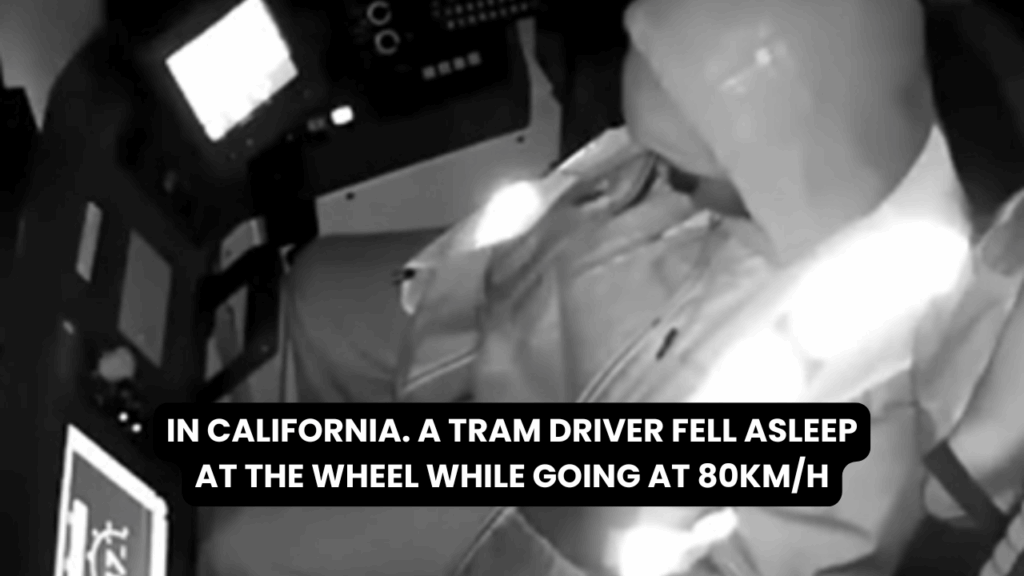
One of the most significant risks in fleet operations is driver fatigue. Long hours on the road, irregular schedules, and insufficient rest can significantly affect a driver’s alertness. Fatigue reduces reaction time, impairs decision-making, and can lead to dangerous situations such as microsleep episodes. Even a few seconds of reduced attention can be critical when operating large commercial vehicles at highway speeds. Because fatigue is not always immediately visible, it remains one of the most challenging risks for fleet managers to detect and manage.
Another common risk is distracted driving. Commercial drivers must manage multiple tasks while on the road, including navigation systems, communication with dispatchers, and monitoring road conditions. External distractions, such as mobile phone use or in-cab devices, can divert attention from the road and increase the chance of accidents. Even momentary distractions can lead to serious incidents, particularly when vehicles are traveling long distances at high speeds.
Vehicle mechanical failures also represent a significant risk factor. Commercial vehicles endure heavy use and operate under demanding conditions. Components such as brakes, tires, and steering systems experience constant stress, and if maintenance schedules are not followed properly, mechanical problems can develop. A simple maintenance issue that goes unnoticed can quickly escalate into a major safety concern.
Compliance risks are another important consideration. Transportation companies must follow a wide range of regulations related to driver working hours, vehicle inspections, cargo safety, and driver qualifications. Failure to comply with these requirements can result in fines, operational restrictions, and increased scrutiny from regulatory authorities.
Finally, cargo-related risks can also impact fleet safety. Improperly secured loads, overloaded vehicles, or incorrect cargo distribution can affect vehicle stability and handling. In some cases, cargo may even fall from vehicles, creating dangerous situations for other road users.
Understanding these risks is the first step toward building an effective fleet risk management strategy. By identifying where problems are most likely to occur, fleet managers can implement targeted measures that reduce risks and improve the overall safety of their operations.
Why Reactive Safety Is Not Enough
For many years, safety management in transportation was largely reactive. Companies investigated accidents after they occurred, addressed violations when regulators identified them, and introduced new policies only after problems had already caused damage. While these responses are necessary, relying solely on reactive safety measures is no longer sufficient in today’s transportation environment.
Reactive safety management focuses on responding to incidents, rather than preventing them. When an accident happens, companies typically review the event, determine what went wrong, and implement corrective measures. This approach may help prevent similar incidents in the future, but it does little to address risks that exist before an accident occurs.
The challenge with reactive strategies is that the consequences can already be severe by the time action is taken. Fleet incidents can lead to vehicle damage, cargo loss, regulatory penalties, insurance claims, and in the worst cases, injuries or fatalities. Beyond the immediate financial costs, accidents can also damage a company’s reputation and weaken relationships with clients and partners.
Another limitation of reactive safety is that it often overlooks underlying patterns. For example, a fleet might experience several minor incidents over time without realizing they are connected to larger operational risks such as driver fatigue, unrealistic schedules, or inadequate maintenance practices. Without actively analyzing these patterns, companies may continue to face recurring safety issues.
This is why many transportation companies are shifting toward proactive fleet risk management. Instead of waiting for incidents to happen, proactive strategies focus on identifying early warning signs and addressing potential risks before they escalate. This approach relies on monitoring operational data, reviewing driver behavior, and analyzing safety trends across the fleet.
For instance, fleet managers can monitor indicators such as frequent harsh braking, excessive speeding, or recurring maintenance issues. These signals may suggest that a deeper problem exists, whether it involves driver training, scheduling pressures, or vehicle reliability. Addressing these issues early can significantly reduce the likelihood of accidents.
Modern technology has also made proactive safety management more achievable. Digital monitoring systems allow fleet managers to collect real-time information about driver behavior, vehicle condition, and operational patterns. This visibility enables companies to detect potential risks earlier and take preventive action.
Ultimately, shifting from reactive responses to proactive strategies is a fundamental step in strengthening fleet risk management. Companies that focus on prevention rather than reaction can reduce accidents, improve operational stability, and create safer conditions for both drivers and the communities in which they operate.
Identifying Risks Within Your Fleet
An effective fleet risk management strategy begins with the ability to identify potential risks within daily operations. Without a clear understanding of where risks originate, it becomes difficult for fleet managers to implement meaningful safety improvements. Identifying risks requires a systematic approach that combines operational data, driver feedback, and regular safety reviews.
One of the most valuable starting points is the analysis of historical safety data. Accident reports, incident logs, and safety violations can provide important insights into recurring issues within the fleet. For example, if multiple incidents occur under similar circumstances, such as late-night shifts, tight delivery schedules, or certain routes, it may indicate an underlying operational risk that needs to be addressed. Reviewing historical data allows fleet managers to detect patterns that might otherwise go unnoticed.
Another important area of focus is driver performance monitoring. Driver behavior can reveal a great deal about potential risks on the road. Indicators such as frequent speeding, harsh braking, rapid acceleration, or inconsistent driving patterns may suggest fatigue, distraction, or insufficient training. Monitoring these behaviors helps fleet managers identify drivers who may need additional support, training, or schedule adjustments.
Vehicle maintenance records also play a key role in identifying operational risks. Recurring mechanical issues, frequent repairs, or delayed maintenance schedules may indicate systemic problems within the fleet’s maintenance program. For instance, if certain vehicles consistently experience brake or tire issues, it may suggest that maintenance procedures need to be reviewed or improved.
Operational planning can also introduce risks if not carefully managed. Unrealistic delivery schedules, long driving shifts, and insufficient rest periods can increase pressure on drivers and lead to fatigue or unsafe driving practices. Fleet managers should regularly review scheduling policies to ensure they allow drivers enough time to complete their routes safely without feeling forced to rush or skip breaks.
Another effective method for identifying risks is conducting internal safety audits. These audits involve reviewing compliance documentation, driver logs, maintenance records, and safety procedures to ensure that operations align with regulatory requirements and company policies. Internal reviews help identify gaps in compliance before they result in regulatory violations or operational problems.
Driver communication is also an important source of information. Drivers are often the first to notice issues such as vehicle performance problems, scheduling pressures, or safety concerns on specific routes. Encouraging open communication allows fleet managers to gather valuable insights directly from those working on the road every day.
By combining data analysis, operational reviews, and driver feedback, companies can build a clearer picture of the risks affecting their fleet. This comprehensive approach allows fleet managers to prioritize the most critical safety challenges and develop targeted solutions that strengthen overall fleet risk management.
Strategies to Reduce Fleet Risks
Once risks have been identified, the next step in effective fleet risk management is implementing strategies that reduce the likelihood of incidents. Risk reduction requires a combination of operational planning, driver support, maintenance practices, and ongoing monitoring. By addressing the root causes of risk rather than simply responding to incidents, fleet managers can significantly improve both safety and operational stability.
One of the most important strategies is investing in driver training and development. Even experienced drivers benefit from regular safety training that reinforces best practices and highlights emerging risks. Defensive driving programs, fatigue awareness training, and education on regulatory requirements can help drivers better understand how their decisions impact safety. Continuous training also helps drivers stay updated on new technologies and safety procedures.
Another critical strategy involves implementing preventive vehicle maintenance programs. Regular inspections and scheduled servicing help ensure that vehicles remain in safe operating condition. Preventive maintenance allows fleet managers to detect mechanical issues early, before they lead to breakdowns or accidents. Maintaining detailed maintenance records also supports regulatory compliance and provides valuable insights into long-term vehicle performance.
Optimizing driver scheduling is another key component of reducing operational risk. Poor scheduling practices can increase driver fatigue, one of the leading contributors to road incidents. Fleet managers should ensure that routes and delivery timelines allow drivers sufficient time to complete their work without exceeding legal driving limits or sacrificing rest periods. When drivers are properly rested, they are better able to maintain focus and respond quickly to changing road conditions.
Strengthening compliance monitoring systems also plays an important role in risk reduction. Regulations governing driver hours, vehicle inspections, and cargo handling exist to protect drivers and the public. By closely monitoring compliance and addressing violations quickly, companies can avoid regulatory penalties while maintaining higher safety standards.
Encouraging open communication between drivers and management can further improve risk management efforts. Drivers should feel comfortable reporting issues such as fatigue, vehicle concerns, or unsafe road conditions without fear of negative consequences. When drivers actively participate in safety discussions, fleet managers gain valuable insights that can help improve operational policies.
Finally, many fleets are turning to data-driven monitoring tools to strengthen their safety strategies. These systems provide real-time visibility into driver behavior, vehicle performance, and operational patterns. By analyzing this data, fleet managers can identify emerging risks and implement targeted improvements before problems escalate.
Together, these strategies form the foundation of effective fleet risk management. By combining strong operational practices with continuous monitoring and driver engagement, companies can significantly reduce safety risks while improving the overall efficiency and reliability of their fleet operations.
The Role of Technology in Fleet Risk Management
As fleet operations become more complex, technology is playing an increasingly important role in strengthening fleet risk management. Modern fleets generate large amounts of operational data every day, and digital tools now allow companies to analyze this information to better understand risks, monitor safety performance, and improve decision-making.
One of the most widely used technologies in fleet operations is fleet management software. These platforms provide a centralized system where fleet managers can monitor vehicle locations, track driver activity, manage maintenance schedules, and generate safety reports. Having this level of operational visibility allows companies to detect potential risks earlier and respond more quickly when issues arise.
Another important technological advancement is the use of driver behavior monitoring systems. These systems analyze driving patterns and identify behaviors that may increase accident risk, such as speeding, harsh braking, or aggressive acceleration. By identifying these patterns, fleet managers can provide targeted feedback and training to drivers, helping them adopt safer driving habits.
Technology also plays a critical role in compliance monitoring. Electronic logging devices and digital record systems automatically track driver working hours, rest periods, and vehicle activity. This automation reduces administrative workload while making it easier for fleet managers to demonstrate compliance with regulations during audits or roadside inspections.
One area where technology is rapidly evolving is fatigue monitoring. Fatigue remains one of the most difficult risks to manage because it is not always visible through traditional monitoring methods. Even when drivers follow regulated working hours, factors such as poor sleep quality, stress, or irregular schedules can still impact alertness.
New technologies are beginning to address this challenge by providing deeper insights into driver fatigue and alertness levels. Advanced monitoring systems can detect early signs of fatigue and provide alerts that help drivers remain aware of their condition during long shifts. These insights also allow fleet managers to better understand when fatigue risks are most likely to occur within their operations.
Solutions that analyze driver alertness and fatigue patterns can therefore complement traditional compliance tools. By combining regulatory monitoring with deeper safety insights, fleets gain a more complete understanding of the risks affecting their drivers.
As a result, technology is becoming an essential component of modern fleet risk management. Companies that leverage data and monitoring tools can move beyond reactive safety practices and begin building proactive systems that reduce risk, improve driver wellbeing, and support safer fleet operations overall.
Building a Fleet Risk Management Culture
While policies, procedures, and technology are essential components of fleet risk management, long-term safety improvements depend heavily on organizational culture. A fleet can have the best safety tools and processes in place, but if safety is not actively supported by leadership and embraced by drivers, risk management efforts may fall short. Creating a strong safety culture ensures that everyone in the organization views safety as a shared responsibility.
Leadership commitment is the foundation of this culture. Fleet managers and company executives must clearly communicate that safety is a top priority, not simply a regulatory requirement. When leadership consistently emphasizes safety in operational decisions, scheduling policies, and driver support programs, it sets the tone for the entire organization. Drivers are more likely to follow safety protocols when they see that management genuinely values their wellbeing.
Driver engagement is equally important. Drivers spend the most time on the road and are often the first to notice potential risks, whether related to vehicle performance, scheduling pressure, or road conditions. Encouraging drivers to share feedback and report concerns helps create a more transparent safety environment. When drivers feel comfortable communicating openly, fleet managers gain valuable insights that can improve operations and reduce risks.
Ongoing driver training and education also contribute to a strong safety culture. Safety training should not be limited to initial onboarding programs. Regular refresher sessions help reinforce safe driving practices, update drivers on regulatory changes, and address emerging safety risks such as fatigue management and distracted driving. Continuous education keeps safety top of mind and ensures that drivers remain well-prepared for the challenges of commercial driving.

Another important element of a safety-focused culture is recognizing and rewarding safe behavior. Positive reinforcement can motivate drivers to maintain high safety standards. Some fleets implement driver safety recognition programs, performance incentives, or internal acknowledgments for drivers who consistently demonstrate safe driving habits and compliance with regulations.
Data-driven decision-making also plays a role in building a safety culture. By using operational data to monitor performance and identify trends, fleet managers can base safety policies on real-world insights rather than assumptions. Sharing this information with drivers can help them better understand how their actions contribute to overall fleet safety.
Ultimately, building a culture around fleet risk management means integrating safety into everyday operations. When safety becomes a shared value across the organization, fleet managers, drivers, and operational teams work together to reduce risks, prevent incidents, and create safer working conditions for everyone involved.
Turning Fleet Risk Management into a Strategic Advantage
Managing risk has always been a fundamental part of fleet operations, but in today’s transportation landscape it has become more important than ever. From driver fatigue and mechanical failures to regulatory compliance and operational pressures, fleets face a wide range of challenges that can affect safety, efficiency, and business performance. This is why implementing a strong fleet risk management strategy is essential for transportation companies of all sizes.
Throughout this article, we have explored how fleet managers can better understand the risks within their operations and take proactive steps to reduce them. Identifying common risks, monitoring driver behavior, maintaining vehicles properly, and ensuring regulatory compliance all contribute to safer and more reliable fleet operations. These efforts not only protect drivers and the public but also help companies avoid costly disruptions and legal liabilities.
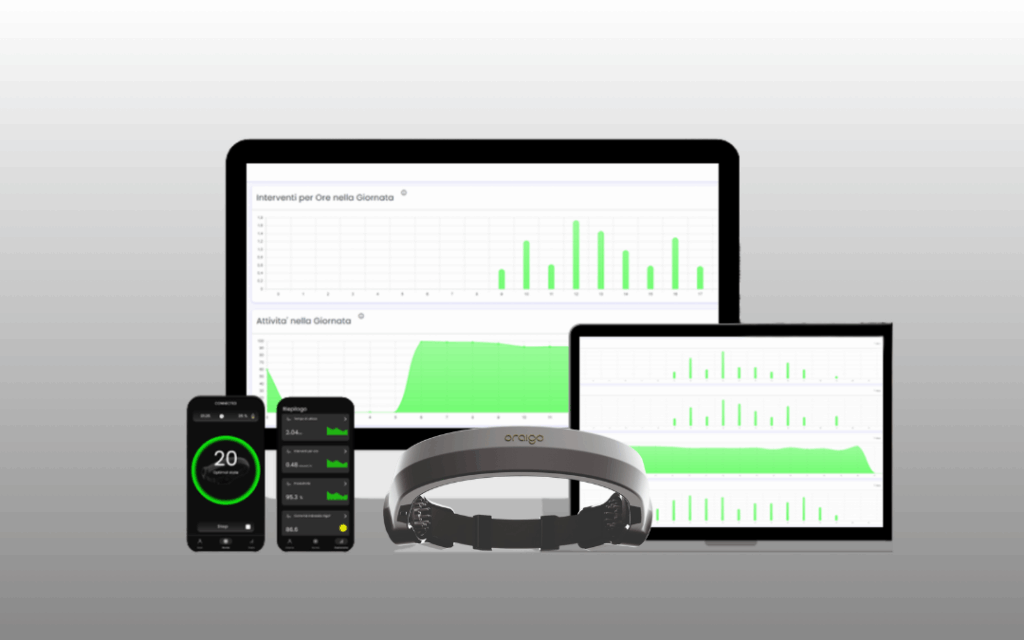
A key takeaway is that effective risk management requires a proactive mindset. Waiting for accidents or violations to occur before taking action can expose fleets to unnecessary risks. Instead, modern fleet management, like the one Oraigo’s ecosystem offers, focuses on identifying early warning signs and addressing potential issues before they escalate into serious incidents.
Technology is also becoming a powerful ally in this effort. Digital monitoring tools, fleet management platforms, and advanced safety technologies allow fleet managers to gain deeper insights into their operations. By analyzing operational data and monitoring driver performance, companies can detect risk patterns and make informed decisions that improve safety outcomes.
However, successful fleet risk management goes beyond systems and procedures. It also depends on building a strong safety culture within the organization. When leadership prioritizes safety, drivers feel supported, and teams communicate openly about potential risks, safety becomes part of everyday operations rather than just a compliance requirement.
Ultimately, fleets that treat fleet risk management as a strategic priority position themselves for long-term success. By combining proactive planning, data-driven insights, and a strong safety culture, transportation companies can reduce accidents, improve operational efficiency, and create safer environments for their drivers and the communities they serve.
Ready to discover the best proactive risk management solution for your fleet?
Contact us to start your free pilot project with Oraigo today!