

Why Driver Hours of Service Monitoring Matters More Than Ever
For professional drivers, time on the road is the foundation of their work. Every delivery completed, every passenger transported, and every kilometer driven depends on careful scheduling and responsible driving practices. But long hours behind the wheel can take a serious toll on both driver alertness and road safety. That is why regulations around driver work hours exist in the first place.
This is where driver hours of service monitoring becomes essential.
Across the transportation industry, Hours of Service (HOS) rules were created to limit how long drivers can operate a vehicle without rest. These regulations aim to reduce fatigue, prevent accidents, and ensure that drivers have enough time to recover between shifts. However, simply having these rules in place is not enough. What truly determines safety and compliance is how effectively companies track and enforce them.
In modern fleet operations, drivers often face demanding schedules, tight delivery windows, and long routes that stretch across multiple regions. At the same time, transportation companies must balance productivity with strict safety requirements. Without reliable monitoring systems, it becomes difficult to ensure that drivers are taking required breaks, staying within legal driving limits, and avoiding dangerous levels of fatigue.
Effective driver hours of service monitoring allows fleet managers to maintain real-time visibility into driver schedules and working hours. With the right tools, companies can quickly identify potential violations, intervene before fatigue becomes a risk, and maintain accurate records for compliance inspections.
More importantly, monitoring driver hours is not just about avoiding fines or regulatory penalties. It is about protecting drivers from exhaustion, reducing accident risk, and creating safer roads for everyone. As fleet operations become more complex and regulations continue to evolve, companies that invest in better monitoring systems will be better positioned to support both safety and operational efficiency.
In the following sections, we will explore how driver hours of service monitoring works, the tools fleets can use to ensure compliance, and why combining monitoring with fatigue awareness is becoming increasingly important in today’s transportation industry.
What Are Driver Hours of Service Regulations?
Driver Hours of Service (HOS) regulations are safety rules that limit how long commercial drivers can operate a vehicle before taking mandatory breaks or rest periods. These regulations were created to reduce driver fatigue, improve road safety, and protect both drivers and the public from accidents caused by exhaustion behind the wheel.
Driving for extended periods requires sustained concentration, quick reaction times, and constant awareness of changing road conditions. When drivers spend too many hours on the road without proper rest, their alertness begins to decline. Fatigue can slow reaction time, impair judgment, and increase the likelihood of dangerous mistakes. Hours of Service regulations exist to prevent this situation by establishing clear limits on driving and working hours.
Although the exact rules vary between countries and regions, most HOS regulations follow a similar structure. They typically include limits on several key areas of driver activity. First, there are maximum daily driving limits, which define how many hours a driver can spend actively driving within a single shift. Second, there are limits on total working hours within a duty period, which include not only driving but also loading, unloading, and other job-related tasks. Third, drivers are required to take mandatory rest breaks after a certain amount of driving time. Finally, there are weekly limits designed to prevent cumulative fatigue over several days of work.
For transportation companies, following these rules is a critical part of operational compliance. Regulators often review driver logs, vehicle data, and shift records to verify that fleets are respecting these limits. Violations can lead to fines, safety violations, and in some cases suspension of operating privileges.
However, maintaining compliance becomes much more challenging when fleets rely on manual tracking methods or outdated systems. Drivers may unintentionally exceed their limits during busy schedules, or required breaks may be delayed due to delivery pressures.
This is why effective driver hours of service monitoring is essential. Monitoring systems allow fleet managers to track driving time, rest periods, and duty cycles more accurately, ensuring that drivers remain within legal limits while also helping prevent fatigue before it becomes a serious safety risk.
The Risks of Poor Driver Hours of Service Monitoring
When transportation companies fail to properly track and manage driver work hours, the consequences can extend far beyond simple regulatory violations. Poor driver hours of service monitoring increases operational risk, legal exposure, and the likelihood of fatigue-related incidents on the road.
One of the most immediate risks is regulatory penalties. Transportation authorities regularly conduct inspections and audits to ensure that fleets comply with Hours of Service regulations. If records show that drivers have exceeded legal limits, skipped required breaks, or failed to document their hours correctly, companies may face significant fines and compliance violations. Repeated offenses can damage a fleet’s safety rating and may even lead to restrictions on operations.
Another major concern is legal liability. In the event of an accident involving a commercial vehicle, investigators will closely examine driver logs, work schedules, and rest records. If it becomes clear that a driver was operating beyond allowed limits or that the company failed to properly monitor working hours, the organization may be held responsible. This can lead to costly legal disputes, insurance claims, and long-term reputational damage.
Beyond regulatory and legal risks, poor monitoring also contributes to higher accident rates. Fatigue is one of the most dangerous yet underestimated hazards in transportation. Drivers who exceed safe working hours often experience reduced concentration, slower reaction times, and difficulty maintaining consistent attention to the road. In extreme cases, fatigue can lead to microsleeps, brief moments when the brain temporarily shuts down despite the driver still being physically behind the wheel.
Insurance providers also consider safety management practices when evaluating fleet risk. Companies with weak compliance systems or inconsistent driver hours of service monitoring may face higher insurance premiums or stricter policy conditions.
Ultimately, the purpose of monitoring driver hours is not just to satisfy regulatory requirements. It is to ensure that drivers are operating under safe conditions. When fleets invest in reliable monitoring systems, they protect their drivers, reduce operational risk, and demonstrate a clear commitment to responsible fleet management.
Traditional Methods of Monitoring Driver Hours
Before the introduction of digital fleet management tools, transportation companies relied primarily on manual systems to track driver working hours. For decades, the most common method used across the industry was the paper logbook. Drivers were responsible for recording their own working hours, including when they started their shift, how long they drove, when they took breaks, and when they finished their duty period.
In theory, this system allowed drivers and fleet managers to track compliance with Hours of Service regulations. Drivers would fill out their logs throughout the day, and fleet managers would periodically review these records to ensure that regulations were being followed. However, in practice, manual recordkeeping created several challenges that made accurate driver hours of service monitoring difficult to maintain.

One of the biggest issues with paper logbooks was human error. Drivers working long shifts or dealing with demanding schedules could easily forget to update their logs at the correct time. Even small calculation mistakes could result in inaccurate records of driving hours or rest periods. Over time, these errors could accumulate and lead to compliance violations without anyone immediately noticing.
Another limitation was the administrative burden placed on fleet managers. Reviewing dozens or even hundreds of paper logbooks required significant time and effort. Managers often had to manually verify driving hours, check calculations, and ensure that drivers were following the required rest schedules. This made it difficult to identify potential violations quickly or take action before a problem occurred.
Paper-based systems also created the risk of intentional or unintentional manipulation. In situations where delivery deadlines were tight or routes ran longer than expected, drivers might adjust their logs to remain within legal limits on paper, even if they had exceeded them in reality. This made it challenging for companies to maintain accurate oversight of driver activity.
Perhaps the biggest limitation of traditional methods was the lack of real-time visibility. Fleet managers typically reviewed logs after a shift had already ended, which meant that violations were often discovered only after they had occurred. Without immediate alerts or automated tracking, companies had little opportunity to intervene before fatigue became a safety risk.
As fleet operations have become more complex and regulations more strictly enforced, manual systems have increasingly proven insufficient. Modern fleets now require digital solutions that provide real-time driver hours of service monitoring, automated recordkeeping, and better oversight of driver activity across the entire operation.
Modern Tools for Driver Hours of Service Monitoring
As fleet operations have grown more complex, transportation companies have increasingly turned to digital solutions to improve accuracy, transparency, and efficiency in compliance management. Modern driver hours of service monitoring tools allow fleets to automatically track driving time, duty periods, and rest breaks, helping ensure that drivers remain within legal limits while reducing administrative workload.
One of the most widely used tools today is the Electronic Logging Device (ELD). These devices connect directly to a vehicle’s engine and automatically record key data such as driving time, engine hours, vehicle movement, and location. Because ELDs capture information automatically, they significantly reduce the risk of human error associated with manual logbooks. Drivers no longer need to record every activity by hand, and fleet managers can access accurate digital records when reviewing compliance.

ELDs also make it easier for companies to maintain standardized documentation. During inspections or regulatory audits, fleets can quickly provide electronic records that demonstrate compliance with Hours of Service regulations. This reduces paperwork and simplifies the reporting process.
In addition to ELDs, many companies rely on fleet management platforms that integrate multiple operational tools into a single system. These platforms combine driver logs, vehicle tracking, route planning, and performance data into one dashboard. With this level of visibility, fleet managers can monitor driver schedules, review duty cycles, and identify potential compliance issues across the entire fleet.
Another important feature offered by modern monitoring systems is real-time alerts. Instead of discovering violations after they occur, managers can receive notifications when a driver is approaching their maximum driving limit or when a required break is overdue. This allows dispatchers to adjust schedules, reassign routes, or instruct drivers to rest before a violation happens.
The benefits of the Oraigo Ecosystem
Oraigo’s ecosystem is designed to provide a comprehensive view of driver alertness, fleet activity, and safety patterns. At its core, the system collects real-time data from vehicles and drivers, tracking factors that influence fatigue and overall operational risk. This includes monitoring driving behavior, hours on the road, and patterns that may indicate reduced alertness before physical signs of fatigue appear.
The ecosystem is structured to support both drivers and fleet managers. For drivers, it provides insights into their alertness patterns, helping them understand when breaks are most needed and how to optimize rest periods. For fleet managers, the platform aggregates anonymized data across the fleet, offering actionable insights into trends, high-risk periods, and areas where interventions may improve safety.
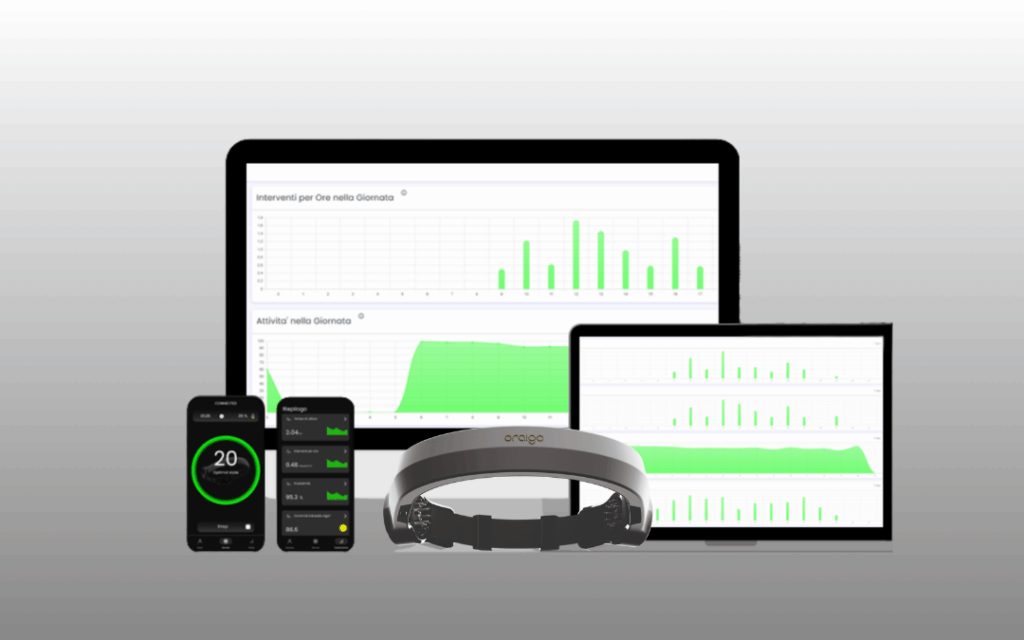
By combining monitoring, data collection, and analytical insights, Oraigo’s ecosystem creates a unified framework that helps fleets better understand operational risks and fatigue patterns. It is designed as a tool for awareness and informed decision-making, allowing companies to make safety-focused adjustments to schedules, routes, and operational planning.
Why Compliance Alone Does Not Always Prevent Fatigue
Hours of Service regulations are designed to reduce the risk of fatigue by limiting how long drivers can remain on duty without rest. These rules create a structured framework that helps prevent extreme overwork and encourages drivers to take breaks during long shifts. However, while these regulations are an important safety foundation, they do not fully eliminate fatigue risks.
A driver can technically follow every Hours of Service rule and still experience significant fatigue behind the wheel.
One reason for this is that fatigue is influenced by far more than just the number of hours spent driving. Sleep quality, for example, plays a critical role in determining how alert a driver will be during their shift. A driver may have taken the required off-duty time but still feel exhausted if that rest period was interrupted or insufficient. Poor sleeping environments, stress, or irregular schedules can all affect how restorative that rest actually is.
Another factor is the body’s circadian rhythm, the natural biological clock that regulates sleep and alertness. Most people experience predictable periods of lower alertness, particularly during late night hours and early afternoon. Drivers scheduled to work during these low-energy windows may experience reduced concentration and slower reaction times even if they are technically within legal driving limits.
Cumulative fatigue can also develop over several days of work. A driver who completes multiple long shifts in a row may gradually become more tired, even if each individual shift complies with Hours of Service rules. Over time, this buildup of fatigue can affect performance and increase safety risks.
This is why relying solely on compliance-based monitoring can sometimes create a false sense of security. Fleet managers may assume that if drivers are following the rules, fatigue is no longer a concern. In reality, fatigue is a complex physiological state that cannot always be measured simply by counting hours.
Effective safety strategies therefore require a broader perspective. While driver hours of service monitoring remains essential for regulatory compliance, companies increasingly recognize the value of combining these systems with tools that help identify early signs of driver fatigue.
By taking a more proactive approach that considers both compliance and driver alertness, fleets can better protect their drivers, reduce accident risk, and create safer operating conditions across their entire transportation network.
How Data Improves Fleet Compliance and Safety
One of the most valuable aspects of modern driver hours of service monitoring is the amount of operational data it generates. While traditional systems focused mainly on recording driving hours, today’s digital monitoring tools provide a much deeper view of driver activity, scheduling patterns, and fatigue-related risks. When analyzed correctly, this data can help fleet managers make smarter decisions that improve both compliance and overall safety.
Every shift recorded in a monitoring system contributes to a larger dataset that reveals patterns across the fleet. For example, managers may begin to notice that certain routes consistently push drivers close to their maximum driving limits, or that specific delivery schedules leave little time for proper rest breaks. By identifying these patterns early, companies can adjust routes, schedules, or staffing levels before they lead to compliance violations or fatigue-related incidents.
Another important benefit of data-driven monitoring is the ability to detect recurring fatigue risk windows. Over time, fleets may discover that drivers tend to experience lower alertness during certain times of day, such as early morning hours or late at night. Understanding these trends allows managers to plan shifts more strategically, assigning routes in ways that better align with drivers’ natural alertness cycles.
Data can also help highlight cumulative workload patterns. If monitoring systems show that certain drivers regularly operate near their weekly limits, managers may decide to redistribute workloads or introduce additional rest periods to prevent long-term fatigue buildup. These proactive adjustments can improve driver wellbeing while maintaining operational efficiency.
Beyond internal decision-making, strong data management also supports regulatory compliance. Digital monitoring systems maintain accurate records of driver hours, breaks, and duty periods, which can be quickly accessed during inspections or audits. This level of documentation demonstrates that the company is actively managing safety and following regulatory standards.
Ultimately, driver hours of service monitoring becomes far more than a compliance requirement when supported by data analysis. It becomes a strategic safety tool. Companies that regularly review their operational data can identify risks earlier, improve scheduling practices, and create safer working conditions for drivers.
As transportation operations continue to evolve, fleets that embrace data-driven monitoring will be better equipped to protect their drivers, reduce fatigue-related incidents, and maintain strong compliance across their entire organization.
Best Practices for Implementing Driver Hours of Service Monitoring
Implementing an effective driver hours of service monitoring system requires more than simply installing a digital tool or complying with regulatory requirements. To truly improve safety and maintain consistent compliance, fleets must adopt a structured approach that combines technology, training, and operational oversight. Companies that treat monitoring as part of a broader safety strategy are far more likely to see long-term benefits for both drivers and the organization.
One of the most important steps is adopting automated monitoring systems. Digital tools such as Electronic Logging Devices and integrated fleet management platforms help eliminate many of the errors associated with manual recordkeeping. Automated tracking ensures that driving hours, rest breaks, and duty periods are accurately recorded in real time. This not only simplifies compliance reporting but also provides fleet managers with immediate visibility into driver schedules and potential violations.
Equally important is ensuring that drivers understand how the monitoring system works and why it exists. Training should clearly explain Hours of Service regulations, how the monitoring tools record driving activity, and how drivers should log their duty status correctly. When drivers understand that these systems are designed to protect their safety rather than simply monitor performance, they are more likely to cooperate and follow procedures consistently.
Another key best practice is building a safety-first culture within the organization. Drivers should feel comfortable reporting fatigue or requesting additional rest without fear of penalties or negative consequences. In many cases, drivers may hesitate to admit they are tired if they believe it will affect their job performance or delivery schedules. Companies that prioritize safety encourage open communication and reinforce the idea that protecting driver wellbeing is a shared responsibility.
Regular data review and performance analysis is also essential. Monitoring systems generate valuable information about driving patterns, break compliance, and scheduling trends. Fleet managers should routinely review this data to identify recurring issues such as drivers approaching legal limits too frequently or routes that consistently push drivers toward fatigue. Addressing these patterns early can prevent both compliance violations and safety incidents.
Finally, fleets should recognize that driver hours of service monitoring works best when combined with fatigue prevention strategies. Scheduling adjustments, proper rest planning, and emerging technologies that help detect fatigue can further strengthen safety efforts. By integrating monitoring tools with proactive safety management, transportation companies can ensure that compliance is maintained while also supporting healthier and more sustainable working conditions for drivers.
The Future of Driver Hours of Service Monitoring
As the transportation industry continues to evolve, the way fleets approach safety and compliance is also changing. Traditional methods of simply tracking work hours are gradually being replaced by more advanced systems that combine automation, data analysis, and predictive technology. The future of driver hours of service monitoring will likely move beyond basic compliance tracking toward a more proactive and intelligent approach to managing driver safety.
One of the biggest shifts is the integration of artificial intelligence and predictive analytics into fleet safety systems. Modern monitoring platforms can analyze large amounts of operational data to identify patterns that may indicate increased fatigue risk. For example, systems may detect when drivers consistently approach their maximum driving limits, operate during low-alertness periods, or accumulate fatigue across multiple shifts. These insights allow fleet managers to intervene earlier by adjusting schedules, assigning additional rest time, or modifying routes.
Another emerging trend is the development of technologies that monitor driver alertness in real time. While traditional Hours of Service monitoring focuses on time limits, new safety tools aim to better understand the driver’s actual level of alertness. Factors such as sleep quality, biological rhythms, and cumulative fatigue can affect performance even when drivers remain within legal driving limits. By combining time-based monitoring with systems that evaluate driver alertness, fleets can gain a more complete understanding of safety risks on the road.
The growing availability of connected vehicle systems is also shaping the future of compliance monitoring. Vehicles equipped with advanced sensors and telematics systems can provide continuous data about driving behavior, vehicle activity, and operating conditions. When integrated with driver hours of service monitoring platforms, this information creates a more comprehensive picture of both compliance and operational performance.
Regulators and insurance providers are also paying closer attention to how fleets manage fatigue and compliance. Companies that adopt advanced monitoring tools and demonstrate strong safety oversight may benefit from improved safety ratings, stronger regulatory relationships, and potentially more favorable insurance conditions.
Ultimately, the future of driver hours of service monitoring will focus not only on ensuring that rules are followed, but also on helping fleets anticipate risks before they lead to accidents. By combining compliance monitoring with intelligent safety technologies, transportation companies will be better equipped to protect their drivers, maintain operational efficiency, and create safer roads for everyone.
Compliance Is Only the First Step
Hours of Service regulations exist for a reason: to protect drivers, reduce fatigue, and minimize the risk of accidents on the road. They provide a legal framework that sets the minimum standard for safe operations. But in today’s fast-paced, data-driven transportation environment, compliance alone is no longer enough. Companies that rely solely on meeting regulatory requirements may unknowingly leave their drivers and fleets exposed to preventable risks.
True safety comes from proactive monitoring and intelligent oversight. Modern driver hours of service monitoring systems go beyond tracking time: they provide actionable insights into driver schedules, fatigue patterns, and operational risk trends. By using real-time alerts, automated tracking, and data-driven analysis, fleets can identify potential problems before they become critical, adjust schedules to reduce fatigue, and ensure drivers are operating safely and alertly at all times.
Moreover, integrating driver fatigue awareness with HOS monitoring strengthens the protective measures for both the fleet and its drivers. While Hours of Service rules regulate maximum driving time, fatigue monitoring systems can detect when a driver is at risk even within legal limits. This layered approach reduces liability, improves insurance positioning, and enhances overall operational resilience.
Ultimately, driver hours of service monitoring should be viewed not as a compliance checkbox, but as a strategic tool that protects people, assets, and reputation. Companies that embrace modern monitoring technologies, train drivers effectively, and analyze operational data proactively are not only maintaining compliance—they are creating safer, smarter, and more sustainable transportation operations.
For fleet operators ready to strengthen safety, reduce fatigue-related incidents, and improve compliance outcomes, investing in advanced monitoring tools is a crucial next step. Compliance ensures legality; monitoring ensures safety, efficiency, and long-term fleet resilience.
Curious about how your fleet’s driver hours and alertness patterns look in real life?
Join our pilot project and decide for yourself if Oraigo can help identify risks early and support safer, more efficient operations.