
What is the Market of Driver Fatigue Detection Systems in the UK
Driver fatigue is one of the most persistent and underestimated causes of road accidents in the United Kingdom. According to the Royal Society for the Prevention of Accidents, fatigue is a contributory factor in around 20 percent of road accidents and up to 25 percent of fatal and serious collisions. For fleet operators, logistics companies, and haulage businesses, the consequences of fatigue related incidents extend far beyond the human cost. Regulatory penalties, insurance liabilities, reputational damage, and civil litigation are all very real outcomes when a fatigued driver causes harm.
The good news is that technology has advanced significantly. A driver fatigue detection system in the UK context now refers to a broad category of intelligent monitoring tools designed to identify fatigue before it becomes catastrophic. This market overview examines the current landscape of fatigue detection technology available to UK fleet operators, the regulatory context driving adoption, the key technologies in use, and practical guidance for organisations evaluating their options.
The Regulatory Context Driving Demand in the UK
The demand for driver fatigue detection systems in the UK does not exist in isolation. It sits within a dense web of legislation and guidance that puts the burden of driver wellness squarely on fleet operators and transport managers.
The Road Transport (Working Time) Regulations 2005 establish limits on working hours for mobile workers, including drivers. These rules require operators to manage and record driver hours, making automated monitoring systems not just useful but arguably necessary for compliance. The Health and Safety at Work Act 1974 further obliges employers to take reasonable steps to ensure worker safety, which increasingly includes fatigue risk management programmes.
For HGV and bus operators specifically, Driver and Vehicle Standards Agency enforcement has intensified in recent years. Tachograph data is regularly scrutinised, and operators who cannot demonstrate active fatigue management risk impoundment, improvement notices, and in serious cases, loss of their operator licence. The Traffic Commissioner’s guidance is explicit: passive monitoring of hours data is not sufficient. Operators are expected to actively intervene when risk indicators appear.
Beyond compliance, UK insurers have begun factoring fatigue management capability into commercial fleet premiums. Operators who can demonstrate real time monitoring and intervention protocols are increasingly able to negotiate better terms, adding a commercial incentive to the regulatory one.
What Is a Driver Fatigue Detection System?
At its core, a driver fatigue detection system in the UK market refers to any technology designed to identify the physiological or behavioural indicators of fatigue in a driver and generate an alert or intervention before a collision or incident occurs. These systems operate through several distinct mechanisms, and most modern solutions combine more than one.
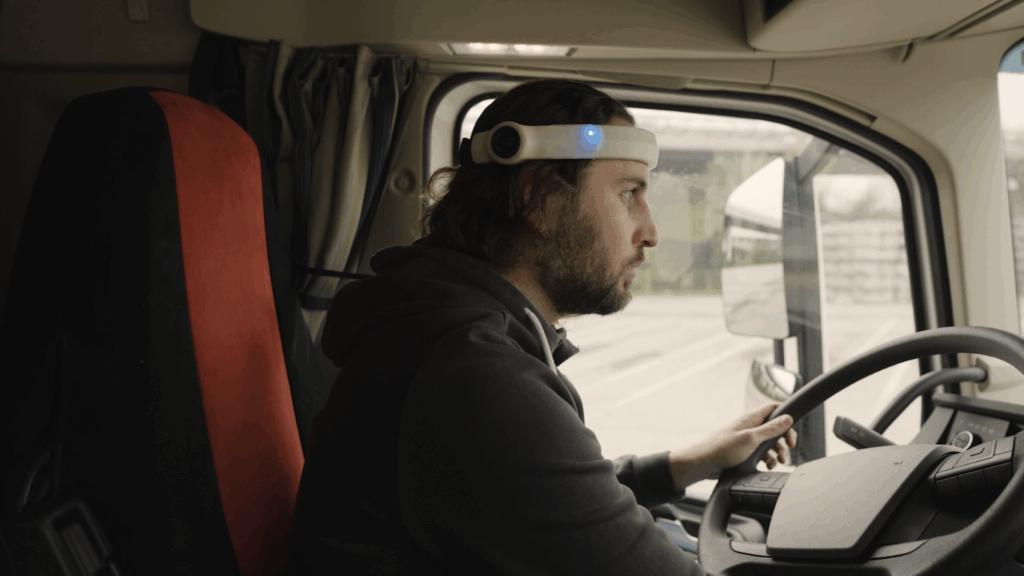
The category includes camera based systems that monitor the driver’s face and eyes in real time, vehicle based systems that analyse lane keeping and steering behaviour, wearable sensors that track physiological signals, and telematics integrated solutions that correlate multiple data streams. Each approach carries its own strengths and limitations, and the appropriate choice depends on vehicle type, operational environment, driver population, and budget.
It is important to distinguish between systems that detect fatigue after it has already manifested in dangerous behaviour, and those that aim to predict the onset of fatigue before it affects driving performance. The most advanced driver fatigue detection systems in the UK now lean toward the predictive end of this spectrum, drawing on machine learning to model individual driver baselines and detect deviation from those baselines at an early stage.
Camera Based Fatigue Detection Systems
Camera based systems have become the most widely deployed category of driver fatigue detection system in the UK over the past decade. These systems use one or more cameras positioned to monitor the driver’s face, typically mounted on the dashboard or instrument cluster.
The technology analyses eye closure frequency and duration, blink rate, eyelid droop, gaze direction, and head position. Some advanced systems also track yawning and microexpression patterns. When the system identifies combinations of these signals consistent with fatigue, it triggers an alert, typically an audible alarm, a seat vibration, or both.
Camera systems perform well in daylight conditions and on vehicles where the driver remains relatively stationary, such as HGVs and buses. They are more challenged in highly variable lighting conditions, in vehicles where drivers wear sunglasses, and in operational contexts where driving positions vary significantly between drivers sharing the same vehicle.
Vehicle Behaviour Based Systems
A different approach to fatigue detection is to monitor the vehicle rather than the driver directly. These systems analyse signals from the vehicle’s own sensors, including lateral acceleration, lane departure frequency, steering input patterns, and brake pressure, to infer the presence of fatigue.
The underlying insight is that a fatigued driver exhibits characteristic patterns of vehicle control that differ measurably from alert driving. Small, frequent steering corrections become less frequent and are then replaced by sudden overcorrection. Lane departure events increase in both frequency and severity. Braking inputs become sharper and later.
Vehicle behaviour systems are often integrated directly into the vehicle’s CAN bus, making them less dependent on camera hardware and simpler to retrofit. They are also less intrusive from a privacy perspective, which matters in some operational contexts. The trade-off is that these systems detect fatigue at a later stage, when it has already begun to affect driving performance rather than before performance degrades.
Wearable and Physiological Monitoring Systems
The most direct approach to fatigue detection involves measuring physiological signals from the driver’s body. Heart rate variability, skin conductance, eye movement patterns measured via specialist eyewear, and even brainwave activity have all been explored as fatigue indicators.
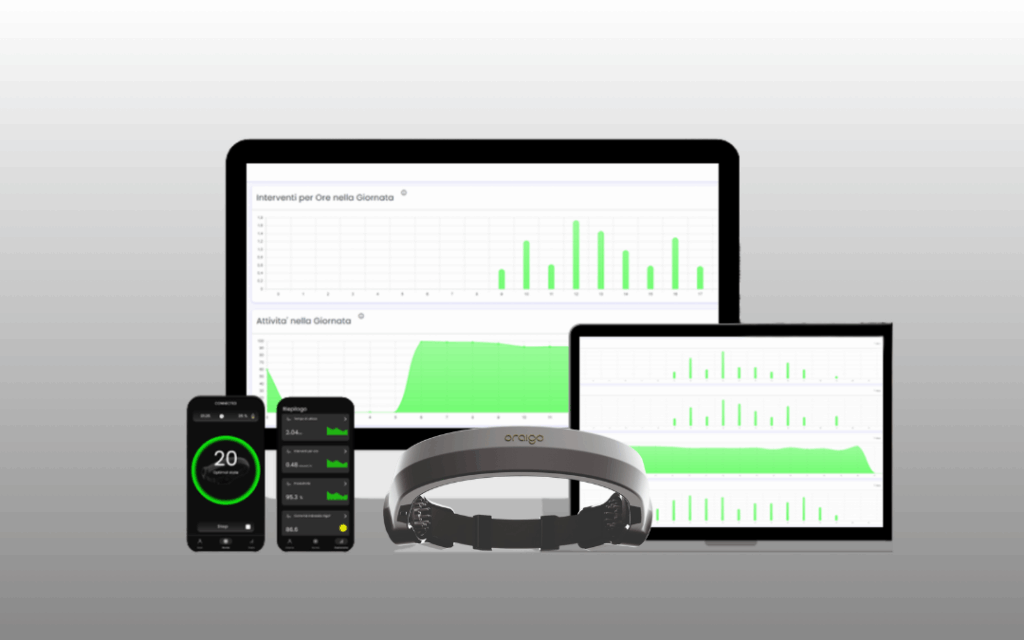
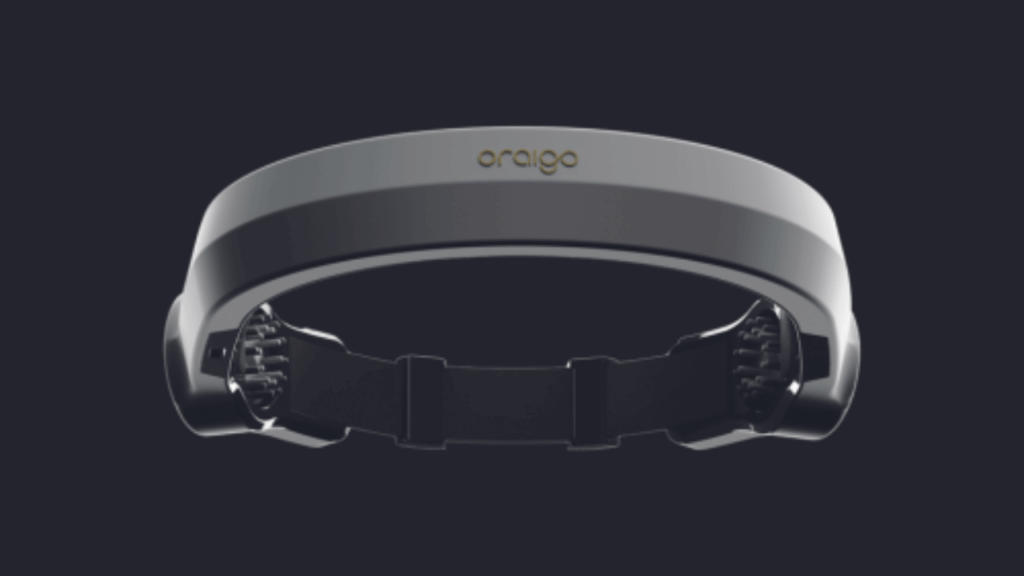
Wearable solutions designed specifically for commercial drivers include smart caps that contain EEG sensors, wristband devices that track heart rate variability and skin temperature, and specialist glasses that track eye movement. Some of these products have found niches in high risk environments such as mining and rail, where the nature of the operational risk justifies the additional complexity.
In the mainstream UK road transport sector, uptake of standalone wearable systems remains limited. Driver acceptance is a persistent challenge, as wearing a device for an entire shift is uncomfortable and often resisted. Data privacy concerns also arise, since physiological data is sensitive personal information subject to strict GDPR obligations.
However, wearables are increasingly being integrated into hybrid solutions that combine physiological monitoring with vehicle and camera data. This fusion approach, where multiple data streams are weighted and correlated, represents the frontier of commercial fatigue detection capability.
AI and Machine Learning in Fatigue Detection
The most significant development in driver fatigue detection systems in the UK market over the past five years has been the integration of artificial intelligence and machine learning into processing and interpretation.
Traditional rule based systems relied on fixed thresholds to trigger alerts. If eye closure exceeded a set duration, an alarm sounded. These approaches generated significant false positive rates, which over time caused drivers to disengage from or disable the systems entirely, a phenomenon known as alarm fatigue.
Modern AI driven systems take a fundamentally different approach. Rather than applying generic thresholds, they build individual driver baseline models. The system learns what normal looks like for a specific driver in a specific vehicle under specific conditions, and triggers alerts only when deviation from that individual baseline reaches a meaningful level. This dramatically reduces false positives and significantly improves driver acceptance.
Machine learning also enables risk prediction rather than just detection. By analysing patterns across large fleets over time, these systems can identify which combinations of factors, including time of day, journey duration, route type, rest quality the previous night, and historical individual patterns, are most predictive of fatigue events. This allows fleet managers to intervene proactively, adjusting schedules or routes before a driver reaches a high risk state.
Integration with Fleet Management and Telematics Platforms
For most UK fleet operators, a driver fatigue detection system does not operate as a standalone product. It is one component within a broader fleet management ecosystem that includes tachograph analysis, route planning, vehicle tracking, maintenance scheduling, and driver performance management.
This integration is valuable for several reasons. It allows fatigue data to be contextualised, a driver showing fatigue indicators after an unusually long route is a different risk profile from a driver showing the same indicators on a routine short journey. It also enables automated workflows, such as triggering a supervisor call when a fatigue score exceeds a threshold, or flagging a driver for a mandatory break based on combined fatigue and hours data.
The challenge with integrated telematics approaches is that fatigue monitoring is often a secondary feature rather than a primary competency. Specialist fatigue detection providers argue, with some justification, that dedicated systems offer superior sensitivity and accuracy compared to the fatigue modules embedded in general purpose fleet platforms.
Market Trends and Future Direction
The driver fatigue detection system market in the UK is growing steadily, driven by a convergence of regulatory pressure, insurance incentives, and falling technology costs. Several trends are shaping where the market is heading.
First, consolidation is occurring among technology providers. Larger telematics and fleet safety businesses are acquiring specialist fatigue detection companies, bringing together hardware, AI capability, and distribution networks. This is making comprehensive solutions more accessible to smaller operators who previously could not justify the investment.
Second, the rollout of intelligent speed assistance and other Advanced Driver Assistance Systems under European and UK regulations is creating new infrastructure on which fatigue detection can be layered. Vehicles leaving production lines in 2024 and beyond contain far richer sensor suites than their predecessors, reducing the hardware cost of adding fatigue monitoring capability.
Third, there is growing interest in the concept of driver wellness programmes that situate fatigue monitoring within a broader framework of health and lifestyle support. Rather than simply alerting when a driver is fatigued, these programmes aim to address the root causes of fatigue through sleep coaching, shift scheduling optimisation, and health monitoring. Several UK operators are piloting this approach in partnership with occupational health providers.
Finally, the application of fatigue detection technology is expanding beyond commercial road transport into construction plant, agricultural machinery, and rail. This broadening of the addressable market is attracting investment and accelerating innovation that will ultimately benefit all sectors.
Choosing the Right System for Your Fleet
Selecting a driver fatigue detection system for a UK fleet requires careful evaluation across several dimensions. No single product is optimal for all operating contexts, and the decision should be driven by a clear understanding of your specific risk profile.
Operators should begin by mapping their actual fatigue risk, considering which drivers, routes, and times of day present the greatest exposure. A long haul operator running overnight trunking shifts faces a different risk landscape from a parcel delivery business operating urban day routes. The appropriate technology solution differs accordingly.
Key evaluation criteria include detection accuracy and false positive rate, driver acceptance and ease of use, integration capability with existing telematics infrastructure, data privacy compliance under UK GDPR, total cost of ownership including hardware, installation, and ongoing subscription, and the quality of support and training provided by the vendor.
Procurement should also involve drivers and driver representatives from an early stage. Systems imposed without consultation are far more likely to be resisted or gamed. Transparency about what is monitored, how data is used, and what the consequences of alerts will be is essential for building the trust that makes these programmes effective.
The Direction of the Driver Fatigue Detection System Market in the UK
Driver fatigue represents a serious and persistent risk to road safety in the UK, and the technology available to address it has never been more capable or more accessible. A modern driver fatigue detection system in the UK market combines camera based monitoring, vehicle behaviour analysis, AI driven personalisation, and integration with fleet management platforms to provide operators with genuine early warning capability.
The market is maturing rapidly. Operators who invest in robust fatigue detection and management programmes today are not only reducing their safety risk but positioning themselves ahead of what is likely to become a baseline regulatory expectation in the years ahead. The question is no longer whether to adopt this technology, but which solution best fits the specific demands of your fleet and workforce.
Ready to protect your drivers and your business?
Oraigo’s driver fatigue detection technology gives UK fleet operators real time alerts, AI driven monitoring, and the compliance confidence you need. Don’t wait for an incident to take action.