Why Are Driver Fatigue Detection Systems Needed in Japan?
Japan has long been regarded as one of the most safety-conscious nations in the world, and that reputation extends firmly into its transportation sector. Yet despite a strong culture of discipline and regulation, driver fatigue remains one of the leading contributors to road accidents and commercial vehicle incidents across the country. Drowsiness behind the wheel impairs reaction time, judgment, and situational awareness in ways that rival the effects of alcohol intoxication, and the consequences on Japan’s dense highway networks and busy logistics corridors can be catastrophic.
The urgency of the issue has driven a rapidly growing market for driver fatigue detection systems in Japan, with technology developers, fleet operators, and regulators all aligning around the need for smarter, proactive solutions. This article provides a comprehensive market overview of where Japan stands today, what technologies are gaining traction, who the key players are, and what the road ahead looks like for fleets and operators operating in this unique regulatory and cultural environment.
The Scale of Driver Fatigue in Japan
To understand the demand for a driver fatigue detection system in Japan, it helps to first understand the scale of the problem. Japan’s Ministry of Land, Infrastructure, Transport and Tourism (MLIT) has documented fatigue-related accidents as a persistent category in commercial transport, particularly among long-haul truck drivers, intercity bus operators, and logistics couriers working extended shift schedules.
Japan’s trucking industry is under particular strain. An aging driver workforce, chronic labor shortages, and intense delivery pressure from the country’s booming e-commerce sector have created conditions where overwork is common. The so-called “2024 Problem,” referring to new regulatory caps on driver overtime introduced under labor law reforms, has further highlighted how systemic overwork has become across the industry. Even with reduced legal working hours, fatigue accumulated over days and weeks does not disappear with a single rest period, and that reality is pushing fleet managers toward technology-based monitoring solutions.
Bus operators face similar dynamics. Several high-profile intercity bus crashes in the 2010s, some linked to driver fatigue, led to major regulatory overhauls and prompted the government to accelerate its interest in real-time monitoring systems. The cultural norm of pushing through tiredness, sometimes referred to in Japanese workplaces as a badge of dedication, has made behavioral change alone an insufficient response. Technology must fill the gap that willpower cannot.
How Driver Fatigue Detection Systems Work
A driver fatigue detection system in Japan, like those deployed globally, typically falls into one or more of three broad technical categories: vehicle-based sensing, driver-based monitoring, and physiological tracking.
Vehicle-based systems analyze driving behavior patterns, looking for indicators such as lane departure frequency, micro-corrections of the steering wheel, irregular acceleration or braking, and deviations from expected speed patterns. These systems do not observe the driver directly but instead draw inferences from how the vehicle is being operated. They are relatively easy to retrofit onto existing commercial vehicles and require no physical contact with the driver.
Driver-based monitoring systems use cameras, typically mounted on the dashboard or instrument cluster, to observe the driver’s face in real time. Sophisticated computer vision algorithms analyze eye closure rates, blink frequency, head position, and gaze direction. When the system detects signs consistent with microsleep or heavy drowsiness, it triggers an alert, either through sound, vibration in the seat or steering wheel, or a voice prompt. Many modern systems combine facial recognition with artificial intelligence models trained on thousands of hours of fatigue-related facial data, giving them the ability to distinguish between normal blinking and the slow, involuntary eye closures associated with sleep onset.
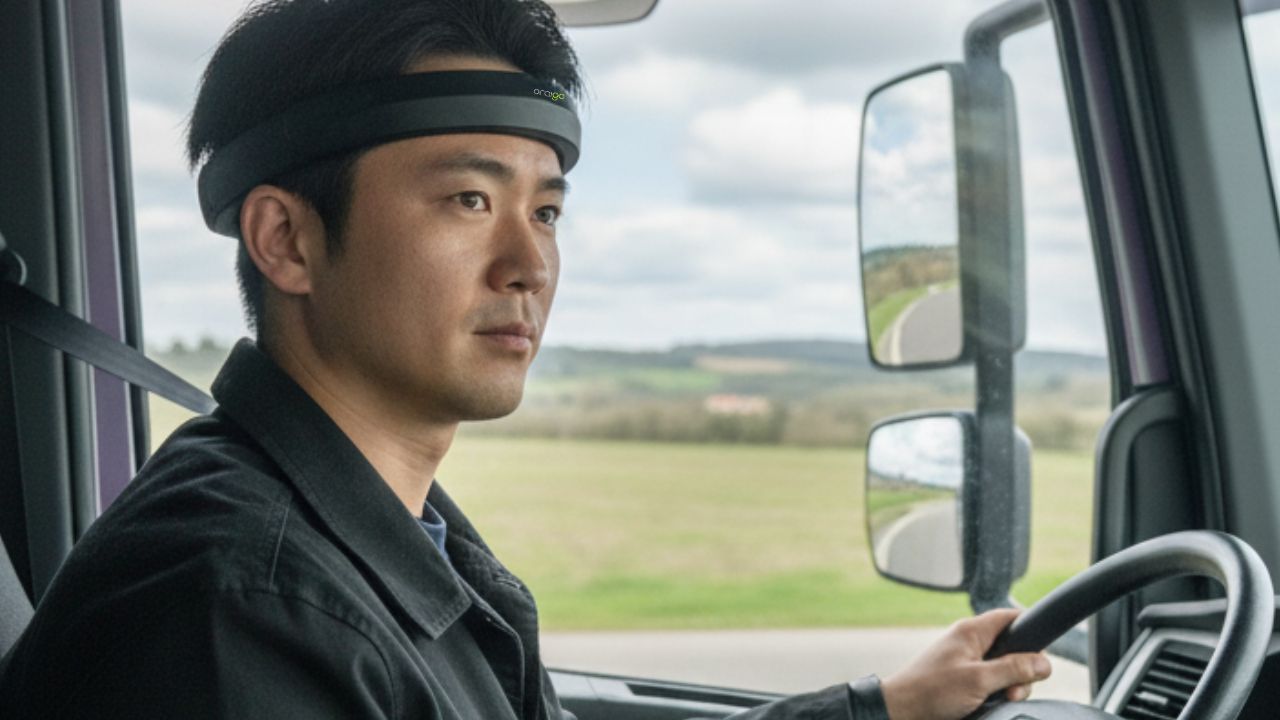
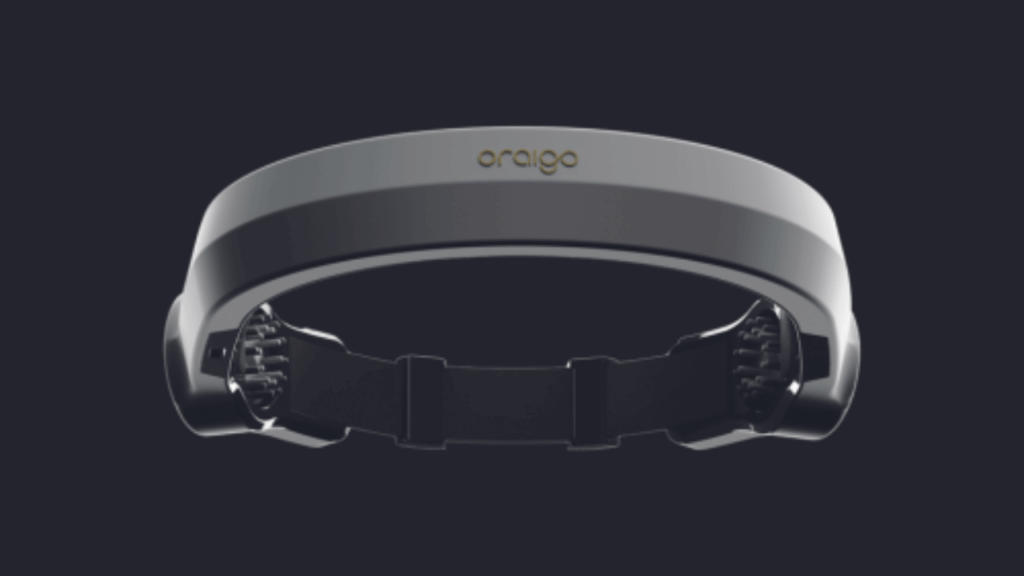
Physiological monitoring represents the most advanced and most intrusive category. Wearable devices or sensor-embedded steering wheels can measure heart rate variability, skin conductance, and even brainwave activity as proxies for alertness levels. While these systems offer the highest accuracy, their adoption among fleet operators has been slower due to cost and driver acceptance issues.
In Japan, camera-based systems with AI analysis have emerged as the dominant format, offering a practical balance between accuracy, ease of installation, and cost efficiency.
Key Technologies Gaining Ground in the Japanese Market
Several specific technologies have gained notable traction within the Japanese fleet and transportation sector.
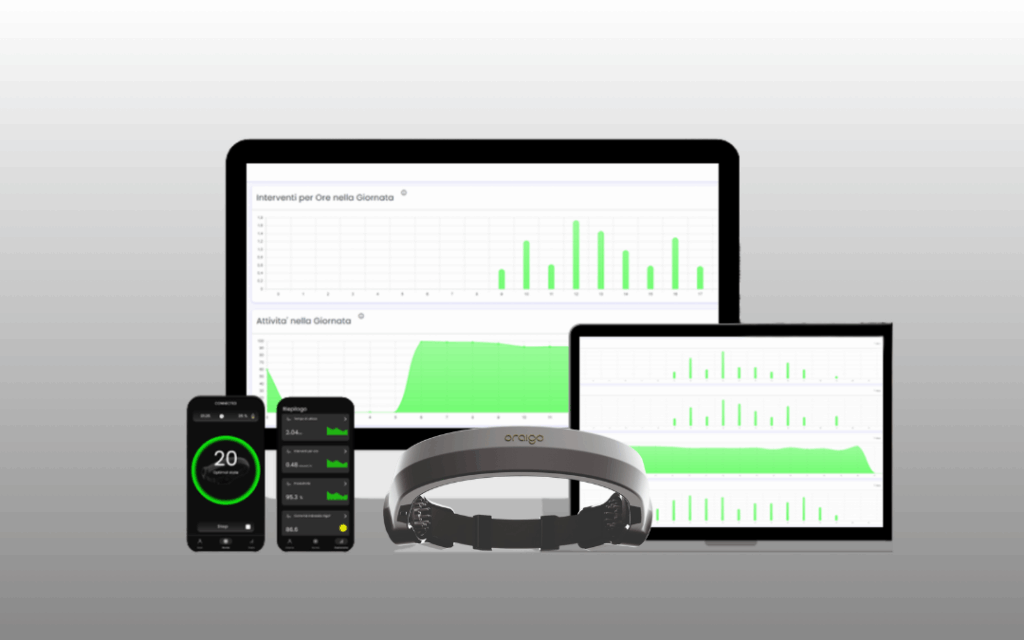
Artificial intelligence-powered camera systems have seen the fastest adoption growth. A growing number of national and international vendors have adapted their fatigue monitoring products to meet Japanese regulatory expectations and language requirements. These systems are now being integrated directly into fleet management platforms, allowing safety managers to receive real-time alerts, review incident footage, and generate compliance reports from a single dashboard.
Infrared sensing has become a preferred feature for Japanese buyers specifically because of Japan’s varied climate conditions. Many transportation routes traverse mountain passes and coastal corridors where glare, rain, and low light conditions challenge standard camera performance. Infrared-based systems operate reliably regardless of ambient light, which aligns well with the operational realities of Japanese logistics networks.
Cloud connectivity and telematics integration have also become near-standard expectations in the Japanese market. Operators want fatigue alerts to feed into the same data streams as GPS tracking, fuel consumption monitoring, and vehicle diagnostics. This unified view allows fleet managers to correlate fatigue events with route timing, shift duration, and vehicle condition, turning raw safety alerts into actionable operational intelligence.
Voice-based alert systems, which issue spoken warnings in natural Japanese, have been noted as particularly effective in driver acceptance studies conducted within Japan. Drivers respond more readily to alerts delivered in their native language with appropriate formality, a nuance that international vendors have had to localize carefully to succeed in this market.
Regulatory Environment and Government Support
The regulatory framework surrounding a driver fatigue detection system in Japan is evolving rapidly and is increasingly favorable to adoption. The MLIT has been steadily tightening oversight of commercial vehicle safety, and fatigue monitoring is now an explicit focus of several government-led road safety initiatives.
Following the 2012 Kan-etsu bus crash and several subsequent incidents, Japan introduced mandatory rest period regulations for commercial bus operators. More recently, discussions within the government have centered on whether fatigue monitoring technology should be made compulsory for certain categories of commercial vehicles, similar to how tachographs became mandatory in European markets.
The Japan Trucking Association has been active in promoting driver monitoring tools among its membership and has partnered with technology providers to subsidize trial programs for smaller fleet operators who might otherwise find the upfront cost prohibitive. Government subsidies available under broader safety promotion schemes have also helped accelerate adoption among mid-sized logistics companies.
Japan’s Digital Agency and Ministry of Economy, Trade and Industry have both signaled strong interest in advancing connected vehicle infrastructure, and driver monitoring systems are a natural component of that broader smart transportation vision. As Japan moves toward greater automation in logistics, including trials of platooning and semi-autonomous trucks, fatigue detection technology is expected to become a foundational element of the safety stack rather than an optional add-on.
Barriers to Adoption
Despite strong regulatory tailwinds and growing awareness, several barriers continue to slow the broader deployment of driver fatigue detection systems in Japan.
Cost remains the most frequently cited obstacle, particularly for smaller carriers. While prices have fallen significantly over the past five years as the technology has matured, the upfront investment in hardware, installation, software licensing, and training can still be substantial when multiplied across a fleet of dozens or hundreds of vehicles.
Driver privacy concerns represent a culturally specific challenge in Japan. While Japanese workers are generally accustomed to a high degree of institutional oversight, continuous camera-based monitoring of facial expressions touches on personal dignity in ways that can generate resistance if not communicated carefully. Fleet operators who have succeeded in deploying these systems consistently report that transparent communication with drivers, framing the technology as a safety tool rather than a surveillance mechanism, is essential to smooth adoption.

System reliability in diverse real-world conditions also remains a concern. Operators running vehicles across Japan’s varied geography, from urban expressways to rural mountain roads, demand consistent performance in rain, fog, direct sunlight, and extreme cold. Not all systems on the market have been thoroughly validated across the full range of conditions Japanese operations require, and operators conduct increasingly rigorous proof-of-concept testing before committing to broad deployment.
The market for driver fatigue detection systems in Japan is positioned for sustained growth through the remainder of the decade. Regulatory pressure, labor market conditions, and the increasing integration of these systems into broader fleet management and autonomous vehicle frameworks will all continue to drive demand.
Several future developments are likely to shape the market’s trajectory. Multimodal fatigue assessment, combining facial analysis with steering behavior and physiological data, will become more common as sensor costs fall and processing power in vehicle hardware increases. AI models trained specifically on Japanese driver datasets will improve accuracy and reduce false alert rates, addressing one of the most common complaints from current users.
The convergence of fatigue monitoring with electronic logging devices and the broader telematics ecosystem will make compliance reporting simpler and more automated, reducing the administrative burden on fleet managers. And as Japan advances its national strategy for autonomous and connected vehicles, fatigue detection will increasingly serve not just as a safety alert tool but as a handoff mechanism, signaling to semi-autonomous systems when human oversight may be compromised.
A Reflection on Driver Fatigue Detection Systems in Japan
The driver fatigue detection system market in Japan reflects a country navigating the intersection of deep-rooted safety values, acute labor challenges, and rapid technological change. The problem of driver fatigue is real, well-documented, and growing in urgency as Japan’s logistics sector faces mounting pressure. The technology to address it is available, improving quickly, and increasingly aligned with regulatory expectations.
For fleet operators, the question is no longer whether fatigue monitoring is worth investing in but which solution best fits their operational context, driver culture, and compliance requirements. For technology providers, Japan represents a demanding but rewarding market where quality, reliability, and cultural sensitivity determine success. And for regulators, the accelerating sophistication of these systems offers a path toward a genuinely safer road environment for drivers and communities alike.
Ready to Protect Your Drivers and Your Fleet?
Oraigo offers advanced driver fatigue detection solutions built for the demands of modern fleet operations. Whether you manage a handful of vehicles or a large commercial network, our technology helps you monitor driver alertness in real time, reduce accident risk, and stay ahead of evolving safety regulations.
Get in touch with our team today to schedule a free demo and discover how Oraigo can make every journey safer.
Contact us at info@oraigo-posts.local