Why Transport Safety Technology New Zealand matters more than ever
New Zealand’s transport network is the backbone of a nation that spans two main islands, hundreds of kilometres of coastline, and some of the most geographically challenging terrain in the Southern Hemisphere. From the winding mountain passes of the South Island to the busy freight corridors connecting Auckland, Wellington, and Christchurch, the country’s roads carry an enormous economic and social load. Transport safety technology in New Zealand has never been more important, and the industry is responding with a wave of innovation that is changing how fleets operate, how drivers are protected, and how regulators enforce compliance.
This article takes a close look at what is new in New Zealand’s transport safety landscape, covering the regulatory forces driving change, the technologies gaining traction, and the direction the industry is heading as operators move from reactive safety management toward genuine prevention.

The Reality of Road Risk in New Zealand
New Zealand has long grappled with a road safety record that sits below the standards of comparable developed nations. Despite years of investment in infrastructure and public awareness campaigns, the country’s fatality rate per kilometre travelled remains higher than countries like the United Kingdom, Sweden, and Australia. Heavy vehicles are a particular area of concern. Trucks and freight vehicles are overrepresented in serious crash statistics relative to their share of total vehicle kilometres travelled.
Fatigue is one of the most persistent contributing factors. New Zealand’s freight task demands long hours on roads that are often narrow, poorly lit, and subject to rapidly changing weather conditions. Drivers covering routes between major centres may be on the road for the better part of a day, navigating conditions that test even the most experienced operator. The combination of physical demands, irregular schedules, and the monotony of long-distance driving creates a fatigue risk profile that is genuinely severe.
The New Zealand Transport Agency Waka Kotahi, the country’s primary transport regulator, has consistently identified fatigue management as a priority area. The economic consequences of heavy vehicle crashes extend well beyond the immediate incident, encompassing vehicle repair, insurance costs, supply chain disruption, and the legal liability that flows from regulatory breaches. For fleet operators, the financial case for investing in transport safety technology in New Zealand is as compelling as the moral one.
Regulatory Foundations: The Health and Safety at Work Act and Beyond
New Zealand’s approach to transport safety sits within a broader workplace health and safety framework anchored by the Health and Safety at Work Act 2015. Under this legislation, transport operators have a primary duty of care to ensure, so far as is reasonably practicable, that workers are not exposed to health and safety risks. This duty extends to managing fatigue as a recognised workplace hazard, and it applies not just to drivers but to the employers, schedulers, and managers who influence how vehicles are operated.
Waka Kotahi’s Work Time and Logbooks rules set out the specific requirements for managing driver hours in the commercial transport sector. These rules specify maximum driving times, mandatory rest periods, and logbook recording obligations. Like similar frameworks in Australia and Europe, they provide a necessary foundation but are widely acknowledged to be insufficient on their own. Legal compliance with work time rules does not guarantee a driver is alert, and self-reported logbooks are vulnerable to both honest error and deliberate falsification.
The regulatory environment in New Zealand is evolving. There is growing pressure from both government and industry bodies to move toward digital fatigue management tools that provide more reliable data and enable more proactive oversight. Electronic logbook systems, telematics integration, and real-time driver monitoring are all areas where regulatory guidance is developing, creating a framework that rewards operators who invest in advanced safety technology.
Telematics and Fleet Management Platforms
Telematics adoption among New Zealand’s commercial fleet operators has accelerated significantly over the past five years. Modern fleet management platforms provide operators with real-time visibility into vehicle location, speed, route adherence, and driver behaviour patterns. For safety management, the behavioural data is particularly valuable.
Harsh braking events, rapid acceleration, excessive cornering forces, and lane deviation patterns all generate data signals that can indicate a driver who is fatigued, distracted, or simply driving in a way that elevates crash risk. When these events are captured and analysed in real time, fleet managers can intervene proactively, contacting a driver before a pattern escalates into an incident.
New Zealand operators in sectors including dairy logistics, construction supply, and interisland freight have been among the earlier adopters of integrated telematics platforms. The relatively small size of the country’s fleet sector, compared with Australia or the United States, has in some ways made it easier for operators to trial new technologies and share learnings across the industry. Industry groups including the Road Transport Forum New Zealand have played an active role in facilitating this knowledge exchange.
The next evolution in telematics is the deeper integration of driver-specific data alongside vehicle data. A platform that can show a fleet manager not just how a truck is being driven but what physiological state the driver is in represents a qualitatively different level of safety insight. This is the direction the most forward-thinking New Zealand operators are now moving toward.
Camera-Based Driver Monitoring Systems
In-cab camera systems have become an increasingly common sight in New Zealand’s commercial vehicle fleet. These systems combine driver-facing cameras with AI-powered analysis software to detect behavioural indicators of fatigue and distraction. Drooping eyelids, repeated yawning, prolonged eye closures, and head nodding all trigger alerts that notify the driver in the moment and log the event for fleet manager review.
The appeal of camera-based systems is their relative accessibility. They are straightforward to install, integrate readily with existing telematics platforms, and provide the kind of visual evidence that is useful in both coaching conversations and insurance or legal contexts. For smaller New Zealand operators who are taking their first steps toward advanced safety technology, camera systems often represent the entry point.
However, the limitations of camera-based monitoring are well understood within the industry. These systems detect fatigue after it has already expressed itself in visible behaviour. By the time a driver’s eyes are drooping or their head is nodding, the neurological deterioration that precedes those signs has already been underway for some time. On a rural New Zealand highway where guardrails may be absent and oncoming traffic occupies the same narrow road, the gap between early fatigue and a serious incident can be very small.
Environmental factors also affect performance. New Zealand’s variable weather conditions, including heavy rain, glare from low sun angles, and night driving on unlit rural roads, can all compromise the accuracy of camera-based systems. Drivers who wear sunglasses, as many do on the long straight sections of the South Island’s main highways, may generate unreliable readings. These limitations have driven growing interest in physiological monitoring approaches that are not dependent on visible cues.
EEG-Based Fatigue Monitoring: Proactive Prevention
The most significant development in transport safety technology in New Zealand, and globally, is the emergence of EEG-based physiological monitoring for driver fatigue. This technology measures electrical activity in the brain directly, identifying the neurological signatures of drowsiness before any external behavioural signs appear.
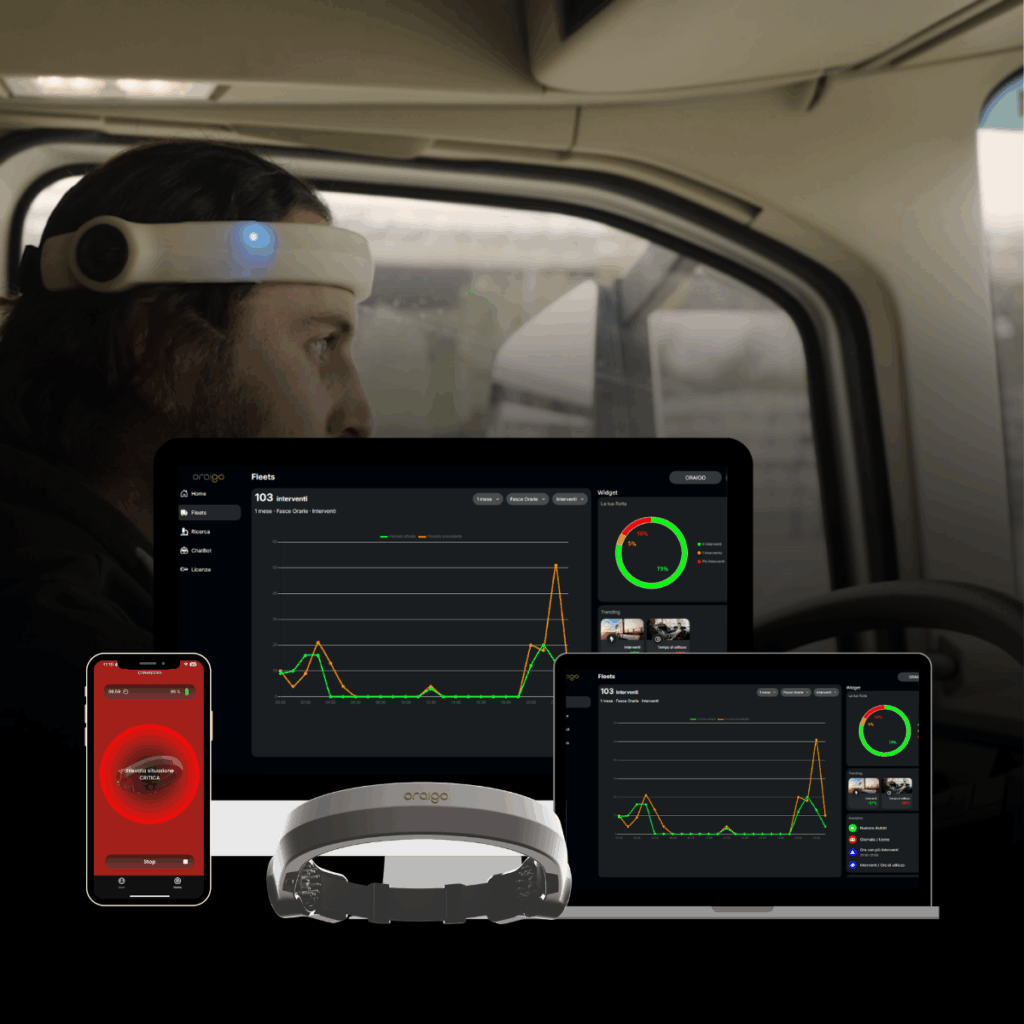
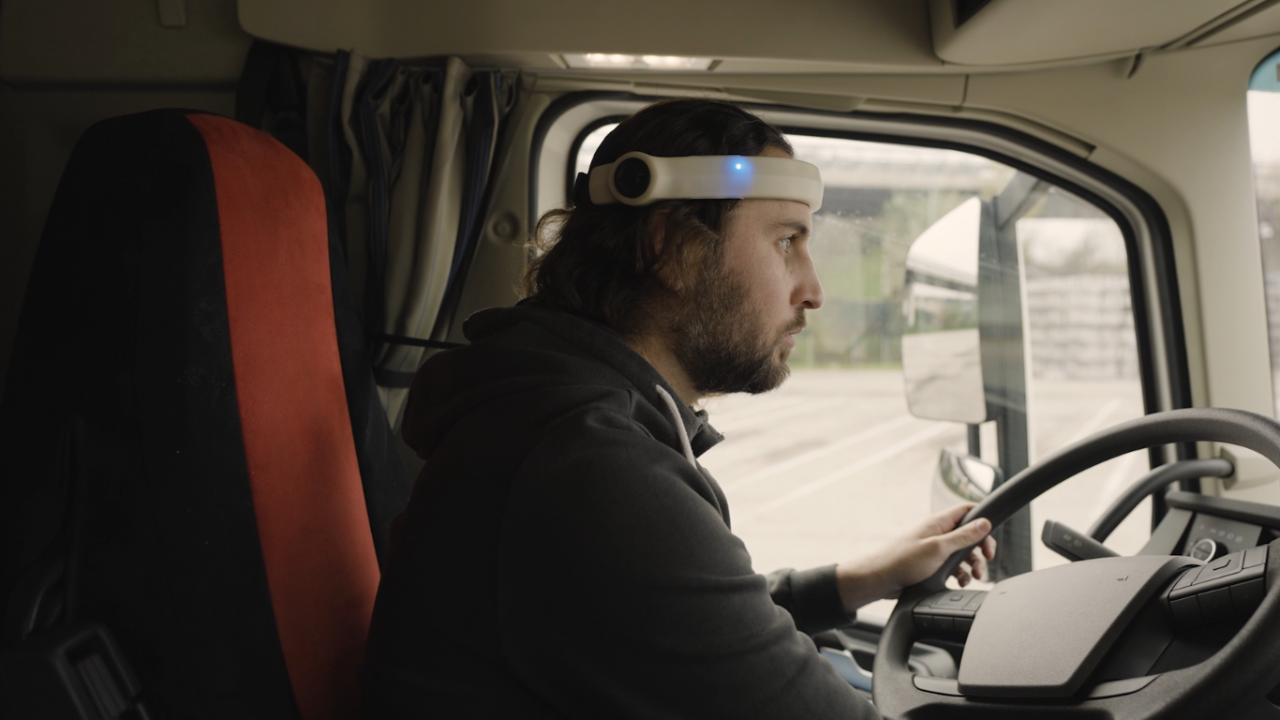
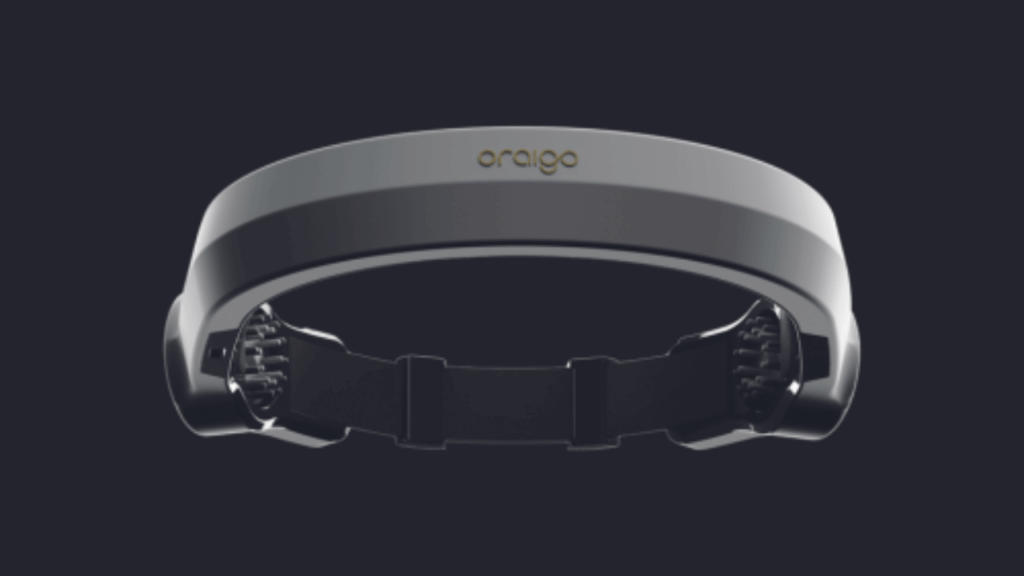
Wearable EEG devices designed for professional driver use, such as those developed by Oraigo, are worn as lightweight headbands during a shift. They continuously monitor brainwave patterns and use sophisticated algorithms to identify the frequency changes associated with the early onset of fatigue. When these patterns are detected, the system issues multi-sensory alerts including audio, visual, and vibration signals, prompting the driver to take action while they still have the cognitive capacity to do so safely.
For New Zealand fleet operators, the practical implications are profound. Consider a driver on the Mackenzie Basin route in the South Island, hundreds of kilometres from the nearest depot, navigating a road that demands constant attention and offers little opportunity for an emergency stop. An EEG-based system that flags neurological fatigue thirty minutes before visible behavioural signs appear gives that driver a genuine window to pull over safely. A camera-based system that triggers only when the driver’s eyes begin to close does not.
The data generated by EEG monitoring systems also has significant value for fleet management beyond individual alerts. When fatigue readings are logged and aggregated across a fleet, patterns emerge that would otherwise be invisible. Certain routes, shift start times, or scheduling configurations may consistently produce elevated fatigue readings. Fleet managers who have access to this data can redesign operations to reduce structural fatigue risk, a level of insight that no traditional logbook or camera system can provide.
Data privacy considerations are real and must be taken seriously, particularly given New Zealand’s Privacy Act 2020, which introduced strengthened protections for personal information. Responsible EEG monitoring providers address this directly by anonymising driver data and building their systems in compliance with applicable privacy regulations. When fleet operators choose providers who take privacy obligations seriously, they can deploy physiological monitoring technology without creating legal exposure or eroding driver trust.
Advanced Driver Assistance Systems in New Zealand’s Truck Fleet
Vehicle manufacturers supplying the New Zealand heavy vehicle market have steadily raised the baseline of onboard safety technology in recent years. Modern trucks sold into the New Zealand fleet increasingly come equipped with advanced driver assistance systems including automatic emergency braking, electronic stability control, lane departure warning, and adaptive cruise control.
These systems represent an important last line of defence. When a fatigued driver fails to respond to a developing hazard, automatic emergency braking can initiate a stop that would otherwise not happen. Lane departure warning can alert a driver whose vehicle has begun to drift without conscious steering input. For a fleet operating on rural roads where the consequences of a lane departure can be catastrophic, these features provide genuine safety value.
The critical limitation of vehicle-based safety systems is that they are entirely reactive. They respond to imminent danger rather than identifying the condition that created it. A driver who is severely fatigued and approaching a dangerous curve on a mountain road may benefit from lane departure warning when they begin to drift, but the far better outcome would have been identifying and addressing the fatigue an hour earlier. Advanced driver assistance systems and proactive fatigue monitoring are not alternatives to each other. They are complementary layers of a comprehensive safety strategy.
The Role of Industry Culture and Driver Wellbeing
Technology is only part of the answer. New Zealand’s transport sector, like the global industry, is grappling with a culture in which driver fatigue has historically been normalised. Tight delivery schedules, competitive freight rates, and the pressure to maximise kilometres driven have created an environment in which drivers often push through tiredness rather than stopping.
Changing this culture requires more than installing monitoring systems. It requires fleet operators to make genuine commitments to reasonable scheduling, adequate rest facilities, and the kind of workplace conditions that allow drivers to arrive at each shift in a fit state to drive safely. When drivers understand that monitoring technology exists to protect them rather than surveil them, and when they see that the data generated is used to improve their working conditions rather than discipline them, engagement with safety technology improves dramatically.
Leading New Zealand fleet operators are combining technology investment with driver wellness programs, fatigue awareness training, and scheduling reviews informed by real monitoring data. This integrated approach, where technology and culture reinforce each other, consistently delivers better safety outcomes than either element alone.
Building Toward a Safer Transport Future
Transport safety technology in New Zealand is at an inflection point. The regulatory environment is tightening, the technology available to operators has never been more capable, and the industry is accumulating the kind of real-world data that makes a compelling case for proactive investment. The direction of travel is clear: away from reactive compliance and toward genuine prevention.
The operators who will define New Zealand’s transport safety standard over the next decade are those who are making deliberate choices now about how they monitor their drivers, how they use the data they collect, and how they build safety into the structure of their operations rather than bolting it on as an afterthought. EEG-based physiological monitoring, integrated with telematics, camera systems, and electronic logbook data, represents the most advanced and effective approach currently available.
New Zealand’s roads are some of the most demanding in the world. The drivers who travel them every day deserve the best protection the industry can provide. The technology to deliver that protection exists. The question is simply whether operators are ready to use it.
Ready to protect your New Zealand fleet with next-generation fatigue monitoring?
Oraigo’s EEG-based brainwave technology detects driver fatigue at the neurological level, before visible signs appear and before risk becomes danger. Built for real-world fleet conditions and fully compliant with privacy regulations, Oraigo gives operators the proactive safety layer that modern transport demands.
Visit oraigo.com or book a call with one of our specialists to start your pilot program today.