The Fatigue Problem on American Roads
Driver fatigue is one of the most persistent and underreported safety threats facing the United States transportation sector. The National Highway Traffic Safety Administration (NHTSA) estimates that drowsy driving contributes to tens of thousands of crashes annually, with commercial trucking and long haul fleets accounting for a disproportionate share of fatigue related fatalities. Despite strict Hours of Service (HOS) regulations enforced by the Federal Motor Carrier Safety Administration (FMCSA), rule compliance alone has proven insufficient to eliminate the risk. A driver can be legally within their allowed driving window and still be dangerously impaired by fatigue.
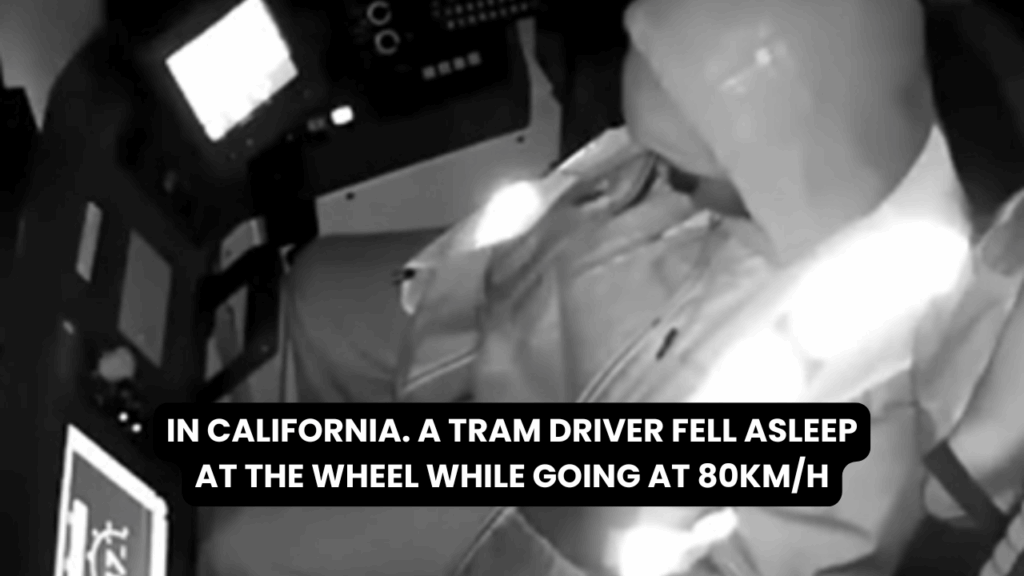
This gap between regulatory compliance and actual safety performance has accelerated adoption of technology based solutions. A driver fatigue detection system in the US market is no longer a niche product for the largest fleets. It is becoming a baseline expectation among insurers, shippers, and safety officers across trucking, transit, construction, and delivery sectors. This article provides a comprehensive overview of the current market, the technologies in play, the regulatory landscape shaping adoption, and the practical realities fleets face when implementing these systems.
Why the US Market Is a Major Driver of Global Demand
The United States represents one of the largest and most demanding markets for fatigue detection technology in the world, for several interconnected reasons.
First, the sheer scale of American freight movement is immense. The American Trucking Associations reports that trucks move roughly 72 percent of all freight in the country by value, with more than 3.5 million commercial truck drivers on the road at any given time. The distances involved are unlike most other markets. A single driver may cover thousands of miles per week across multiple time zones, creating chronic circadian disruption that no scheduling rule fully addresses.
Second, liability exposure in the US legal environment is exceptionally high. Plaintiff attorneys have become increasingly effective at pursuing “nuclear verdicts” in trucking fatality cases, with jury awards routinely reaching tens of millions of dollars. Fleets that cannot demonstrate proactive safety measures face devastating financial consequences. Fatigue detection technology serves both a safety function and a legal defense function, and that dual value proposition has accelerated commercial adoption significantly.
Third, the US insurance market is responding. Several major commercial trucking insurers now offer premium discounts or favorable underwriting terms for fleets that deploy validated fatigue monitoring systems. This financial incentive, layered on top of the safety and liability arguments, is moving the technology from optional to near mandatory for fleets seeking competitive insurance rates.
Core Technologies: How Driver Fatigue Detection Systems Work
Modern fatigue detection systems in the US market are built on several distinct technology categories, and many commercial products combine more than one approach.
Camera Based Facial Monitoring
The most widely deployed category relies on in cab cameras trained on the driver’s face. Using computer vision and machine learning, these systems continuously analyze eye closure frequency, blink duration, gaze direction, and head position. Microsleep events, prolonged eye closure, and repeated yawning trigger real time alerts. Leading providers in this space include Seeing Machines, Lytx, Mobileye, and Samsara, among others. Camera systems offer a significant advantage in that they measure the driver directly rather than inferring fatigue from vehicle behavior.
Vehicle Behavior Analysis
An earlier generation of fatigue detection logic focused on the vehicle itself. Lane departure patterns, steering wheel micro corrections, and sudden braking events can all be indicative of impaired attention. These systems are often embedded in broader telematics platforms and do not require dedicated hardware beyond what many fleets already operate. While useful as a secondary signal, vehicle behavior systems tend to generate higher false positive rates than camera based alternatives, and they detect fatigue only after it has already begun affecting driving performance.
Biometric and Wearable Systems
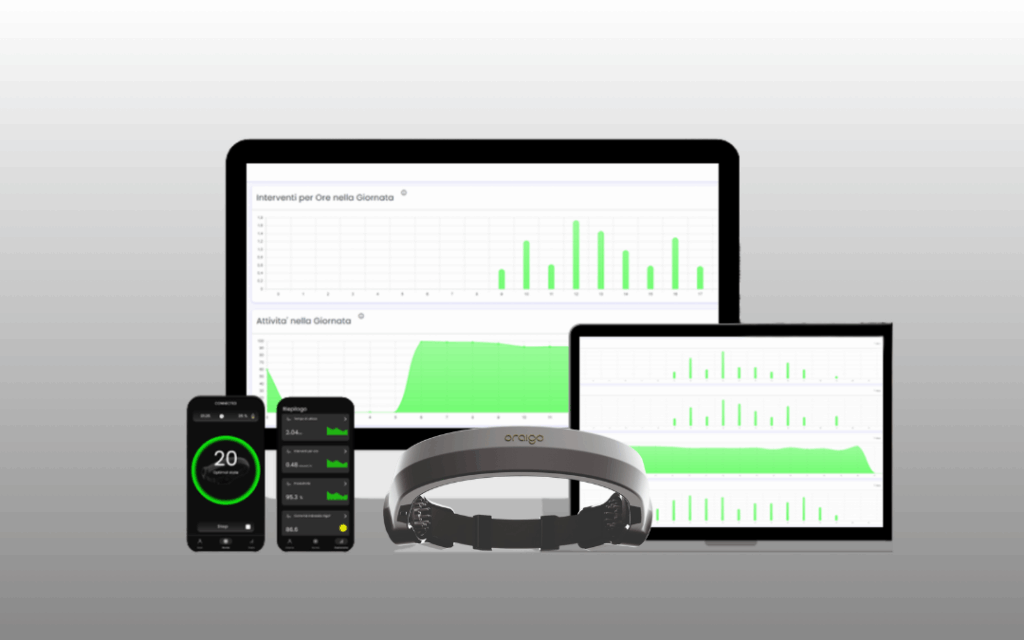
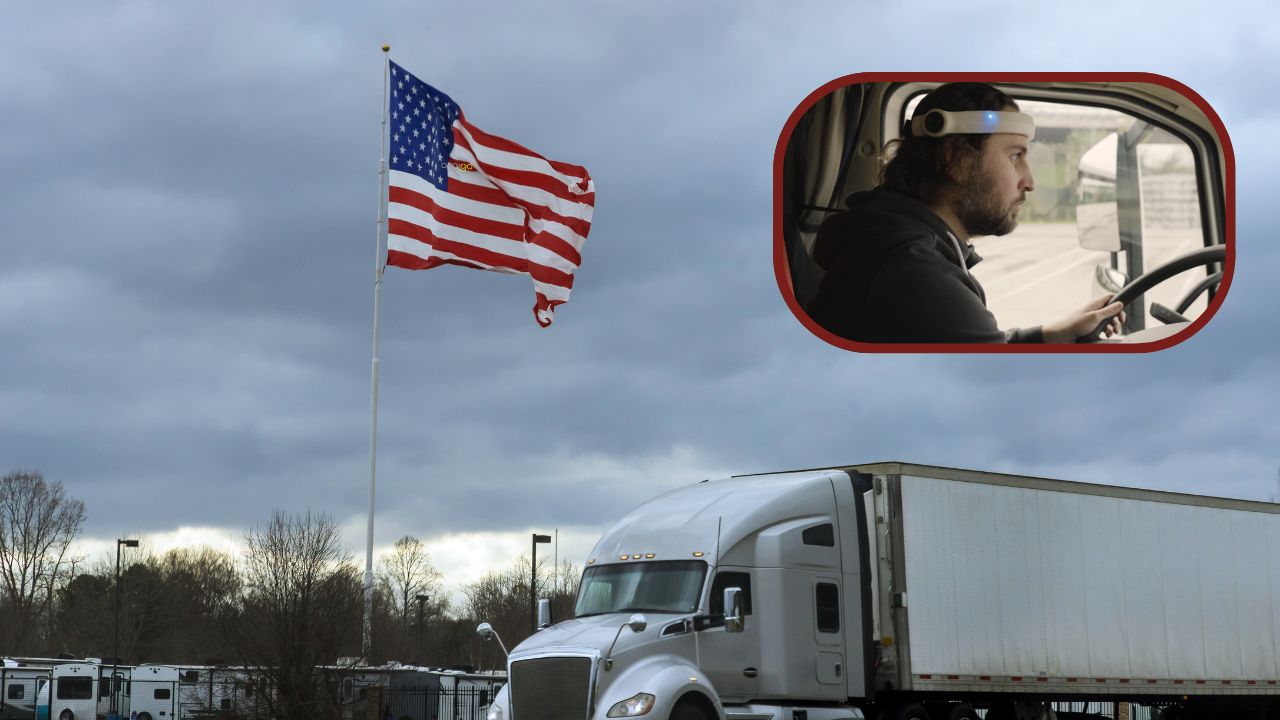
A smaller but growing segment of the market involves wearables that monitor physiological signals. Heart rate variability, skin conductance, eyelid movement, and electroencephalography (EEG) signals, such as Oraigo, have all been explored as fatigue indicators. Wearable systems face adoption friction in commercial trucking because of driver comfort concerns, hygiene considerations, and the practical challenges of maintaining consumer grade devices in a demanding work environment. However, certain high risk sectors such as mining, rail, and military logistics have embraced biometric monitoring more readily.

AI Powered Predictive Fatigue Scoring
The newest and most sophisticated systems move beyond detection into prediction. By ingesting data on a driver’s historical sleep patterns, shift timing, time of day, route characteristics, and cumulative workload, AI models can generate a fatigue risk score before a trip begins or flag deteriorating conditions during a route.
Regulatory Context: What the FMCSA Requires and What It Does Not
The FMCSA’s Hours of Service regulations remain the primary federal framework governing driver fatigue management for commercial motor vehicles. The current rules, which were revised in 2020, set limits on consecutive driving time, mandate rest breaks, and govern the use of electronic logging devices (ELDs) to ensure accurate record keeping. ELDs have effectively closed the logbook manipulation loophole that plagued compliance for decades.
However, the FMCSA does not currently mandate the use of any driver fatigue detection system in the US beyond ELD compliance. There is no federal rule requiring camera based monitoring, biometric systems, or AI fatigue scoring. The National Transportation Safety Board (NTSB) has repeatedly recommended that the FMCSA explore technology mandates, and the agency has signaled increasing interest in the area, but as of the time of this writing no specific fatigue detection technology requirement has been codified for commercial trucking at the federal level.
This creates a voluntary market dynamic where adoption is driven by insurance requirements, shipper contracts, internal safety culture, and litigation risk rather than regulatory mandate. Some states have begun exploring their own requirements, and certain industry segments, particularly those operating under federal safety oversight such as passenger carrying vehicles and hazmat carriers, face heightened scrutiny that makes technology adoption more pressing.
The Safe Roads Act and various FMCSA rulemaking notices have kept the policy conversation active. Industry observers broadly expect that some form of fatigue related technology guidance or mandate will emerge within the next several years, which is influencing fleet procurement decisions today. Buyers are selecting platforms likely to satisfy future regulatory requirements rather than simply meeting current minimums.
Market Landscape: Key Players and Competitive Dynamics
The driver fatigue detection system market in the US is moderately fragmented, with a mix of dedicated safety technology companies, large telematics platform providers, and automotive original equipment manufacturers competing for commercial fleet customers.
Among dedicated providers, Seeing Machines holds a strong position in the long haul trucking and mining segments, with technology validated through extensive real world deployments in Australia and increasingly adopted by North American fleets. Lytx, one of the largest fleet video telematics providers in the US, integrates fatigue and distraction detection into its broader DriveCam platform, giving it significant distribution reach through its existing customer base of hundreds of thousands of vehicles. Samsara has emerged as a major competitor by bundling AI dash cam capabilities, including fatigue detection, into its connected operations platform.
Mobileye, better known for its advanced driver assistance systems in passenger vehicles, has extended its commercial fleet offerings and brings a strong brand association with vehicle safety technology. Netradyne, a newer entrant backed by significant venture funding, has built a reputation for high quality video analytics and AI accuracy in driver behavior monitoring.
On the predictive and biometric side, Fatigue Science’s ReadiScore platform has gained meaningful traction in aviation, rail, and mining, with growing interest from long haul trucking fleets seeking science based fatigue risk quantification. SmartCap Technologies offers EEG based headwear that has found adoption in mining and construction environments.
The competitive dynamic is shaped heavily by integration. Fleets increasingly prefer solutions that connect with existing ELD providers, fleet management software, and dispatch systems. Standalone fatigue detection hardware that cannot feed data into a unified operations platform faces a steeper sales challenge than offerings embedded in platforms drivers and safety managers already use daily.
Implementation Challenges and Fleet Realities
Understanding the market requires honest engagement with the friction points fleets encounter when deploying fatigue detection systems.
Driver Acceptance and Privacy Concerns
In cab camera systems frequently encounter resistance from drivers who view continuous facial monitoring as an invasion of privacy. Driver unions and advocacy groups have raised objections in several high profile cases. Fleets that rush implementation without a clear communication strategy and a transparent data use policy risk damaging labor relations and increasing turnover. Successful deployments almost universally involve proactive driver education explaining what data is captured, who can access it, how long it is retained, and how it will and will not be used in disciplinary processes.
Alert Fatigue
Poorly calibrated systems generate excessive false positive alerts, training drivers and safety managers to ignore warnings. This is not a hypothetical concern. Fleets that deploy systems with inadequate site specific tuning often see alert volumes that overwhelm safety teams and erode trust in the technology. Calibration, ongoing model refinement, and clear escalation protocols are essential to maintaining the operational value of any detection platform.
Integration Complexity
Large fleets often operate a patchwork of telematics systems, ELD providers, and fleet management platforms accumulated through acquisitions and vendor changes. Integrating a new fatigue detection system into this environment requires API compatibility, IT resources, and often custom development work. Total cost of ownership calculations that ignore integration complexity tend to underestimate real deployment costs significantly.
Rural Connectivity
Long haul routes in the American West and rural South frequently pass through areas with limited cellular coverage. Real time alert transmission and cloud based AI processing depend on connectivity that is not always available. The best commercial systems buffer data locally and transmit when connectivity is restored, but fleet managers should verify connectivity handling before committing to a platform.
Return on Investment: Making the Business Case
Safety technology procurement decisions in fleet management are often made on financial grounds, and fatigue detection systems have a measurable ROI case that has become increasingly well documented.
Insurance premium reductions are the most direct financial benefit. Fleets have reported savings ranging from 5 to 15 percent on commercial auto premiums following validated deployment of AI monitoring systems, with some carriers offering larger discounts for fleets that demonstrate sustained low incident rates over time. For a carrier spending several million dollars annually on insurance, even a modest percentage reduction represents substantial savings.
Crash cost avoidance is the larger but harder to quantify benefit. A single serious fatigue related crash can generate direct costs including vehicle damage, cargo loss, medical expenses, legal fees, and settlement payments that easily reach seven figures. The actuarial case for preventing even one such event per year typically justifies the annual subscription cost of a fleet wide fatigue detection platform many times over.
Fuel and maintenance savings associated with improved driving behavior are a secondary benefit. Fleets report that when drivers know their behavior is being monitored, hard braking, rapid acceleration, and other fuel inefficient behaviors decline measurably. These savings do not offset the cost of fatigue detection specifically but contribute to the overall ROI of the monitoring investment.
Looking Ahead: Trends Shaping the Next Five Years
Several trends will shape the evolution of the driver fatigue detection system market in the US over the coming years.
Multimodal sensor fusion is emerging as the next frontier in detection accuracy. Combining facial monitoring with physiological signals, vehicle behavior data, and AI generated fatigue scores creates a more robust and reliable assessment than any single data stream alone. Leading vendors are investing heavily in this integration.
Regulatory movement is likely. Given NTSB recommendations, litigation trends, and growing insurance market pressure, it is reasonable to expect some form of federal guidance on fatigue detection technology for commercial fleets within the next regulatory cycle. Fleets that have already built implementation experience will be better positioned than those scrambling to comply.
Data privacy frameworks will become more important as biometric data collection expands. Several states have enacted biometric privacy laws that impose consent and data handling requirements. Fleets operating across state lines will need to navigate a patchwork of state requirements while federal legislation in this area remains incomplete.
Finally, integration with autonomous and semi autonomous vehicle systems will increasingly blur the line between fatigue detection for human drivers and broader driver monitoring systems designed to manage the handoff between human and automated control.
The Future of the Market of Driver Fatigue Detection Systems in the US
The driver fatigue detection system market in the US is at an inflection point. What was once a premium add on purchased by the most safety conscious fleets is rapidly becoming a commercial expectation driven by insurance economics, litigation risk, and shipper requirements. The technology has matured significantly, with camera based AI systems delivering real world accuracy that supports operational decision making rather than just recording incidents after the fact.
For fleet safety officers and procurement leaders, the question is no longer whether to invest in fatigue detection technology but which platform best fits their operational environment, integration requirements, and data governance standards. The answers to those questions will shape safety outcomes and financial performance in equal measure for the years ahead.
Take the Next Step Toward Safer Fleets
Knowing the risks of driver fatigue is one thing. Having the right technology in place to prevent it is another. Oraigo’s driver fatigue detection solution gives US fleet operators real time monitoring, AI powered alerts, and the actionable data safety managers need to intervene before incidents occur. Whether you run a regional carrier operation or a national long haul fleet, Oraigo is built to integrate with your existing systems and scale with your safety program.
Ready to see how it works for your fleet? Request a demo with the Oraigo team today and discover why safety focused fleets across the industry are making fatigue detection a cornerstone of their operations.