The Reality of Fleet Safety in the UK Today
Fleet safety has become one of the most pressing operational concerns for UK businesses that rely on vehicles to get the job done. Commercial vehicles are involved in a disproportionate share of serious road incidents, and the consequences of getting safety wrong extend far beyond the collision itself. Operators face soaring insurance premiums, potential loss of their operator license, and increasing scrutiny from the DVSA and Traffic Commissioners. At the same time, the workforce behind the wheel is under more pressure than ever, with last-mile delivery volumes continuing to grow and driver shortages stretching existing teams thin.
Fleet safety solutions in the UK have matured significantly in response to these pressures. What was once limited to basic GPS tracking has evolved into a sophisticated ecosystem of AI-powered cameras, real-time driver behaviour monitoring, digital compliance tools, and integrated fleet management platforms. This guide breaks down the latest trends, the technology categories every fleet operator should understand, and the leading UK providers worth considering in 2026.
Why Fleet Safety Has Never Been More Critical in the UK
The regulatory environment for UK fleet operators has tightened considerably in recent years. The DVSA‘s Earned Recognition scheme rewards operators who demonstrate consistent compliance, but it also raises the bar for what “good” looks like. Traffic Commissioners have shown an increasing willingness to revoke or curtail operator licences where safety management is found to be inadequate, and a single serious incident can trigger a public inquiry that puts an entire operation at risk.
Insurance costs have followed a similar trajectory. Fleet premiums across the UK have risen sharply, with at-fault collision history now one of the primary factors underwriters scrutinise when setting renewal terms. Operators with strong safety records and verifiable telematics data are increasingly able to negotiate better rates, while those without face compounding costs.
Legal accountability has also sharpened. Under health and safety legislation, directors and senior managers can be held personally liable for failures that contribute to road incidents involving their vehicles. This has pushed fleet safety up the boardroom agenda in a way that would have been unusual a decade ago.
Add in the rapid expansion of delivery and logistics fleets since 2020, and the result is more vehicles on UK roads, operated by more varied businesses, under more regulatory and commercial pressure than ever before.
Core Categories of Fleet Safety Solutions
Understanding the fleet safety supplier landscape starts with getting clear on what different solutions actually do. The market spans four broad categories, and most operators will need a combination of more than one to build a genuinely robust safety programme.
Driver Behaviour Monitoring
Telematics systems form the foundation of most fleet safety strategies. These tools track events like harsh braking, rapid acceleration, speeding, sharp cornering, and excessive idling, aggregating the data into driver scorecards that fleet managers can use to identify risk patterns across their workforce. The real value is not just in flagging incidents after they happen but in enabling proactive coaching conversations before a near miss becomes a collision. Operators who embed regular scorecard reviews into their management rhythm consistently report reductions in at-fault incidents within the first year of deployment.
Fatigue and Distraction Detection
Driver-facing cameras equipped with artificial intelligence are now capable of detecting drowsiness, mobile phone use, seatbelt non-compliance, and distracted behaviour in real time, triggering in-cab alerts that prompt the driver to correct their behaviour before a dangerous situation develops. This technology is particularly relevant for HGV and coach operators, where fatigue is a known and well-documented risk factor, but adoption is growing rapidly across van fleets too. Beyond the safety benefit, these systems help operators demonstrate duty of care under the Health and Safety at Work Act 1974.
Vehicle Safety Technology
Advanced Driver Assistance Systems bring an additional layer of protection at the vehicle level. Lane departure warnings, automatic emergency braking, blind spot monitoring, and proximity alerts all reduce the likelihood of collision regardless of driver behaviour in a given moment. Paired with forward-facing and 360-degree dashcams, operators also gain reliable incident evidence that can resolve insurance disputes quickly and protect drivers from fraudulent claims.
Compliance and Fleet Management Platforms
Digital tools in this category cover the administrative backbone of fleet safety: driving licence checks, walk-around inspection apps, defect reporting workflows, tachograph analysis, and Working Time Directive monitoring. These platforms reduce the risk of compliance failures that might otherwise go unnoticed until a DVSA roadside check or audit brings them to light.

Key Trends Shaping Fleet Safety in the UK
The fleet safety technology market is moving quickly, and operators who stay close to emerging trends are better placed to make purchasing decisions that will remain relevant over a three to five year horizon rather than becoming outdated within months of deployment.
AI and Computer Vision
The shift from passive recording to active risk prediction is the single most significant development in fleet safety technology right now. Modern camera systems do not simply store footage for review after an incident. They analyse driving behaviour in real time, identify patterns associated with elevated risk, and intervene before a situation deteriorates. The accuracy and reliability of these systems has improved dramatically as the underlying models have been trained on larger and more diverse datasets.
Connected Vehicle Data
Deeper integration between telematics platforms and vehicle onboard diagnostics is giving fleet managers a more complete picture of risk. Mechanical issues that contribute to incidents, such as brake wear, tyre condition, and engine faults, can now be surfaced alongside driver behaviour data within a single dashboard, enabling a more holistic approach to risk management.
ESG and Sustainability Pressure
Fleet safety is increasingly being reported as part of broader environmental, social, and governance frameworks. Insurers, investors, and large contract customers are beginning to ask for evidence of structured safety programmes, and operators who can demonstrate measurable outcomes are gaining a competitive advantage beyond the direct cost savings.
Van and Last-Mile Fleet Growth
Demand for fleet safety solutions has historically been concentrated in the HGV and coach sectors, where regulatory requirements are most stringent. However, the explosion in courier and last-mile delivery operations has created a large and fast-growing market of smaller van fleets whose operators are increasingly seeking scalable, cost-effective solutions designed for their specific context.
Platform Consolidation
Operators are moving away from managing multiple disconnected point solutions and towards integrated platforms that bring telematics, camera footage, compliance workflows, and reporting into a single environment, reducing administrative overhead and improving the quality of data available for decision-making.
How to Choose the Right Fleet Safety Solution for Your Business
With a market this broad, selecting the right combination of tools requires more than comparing feature lists. The decision should start with an honest assessment of where your greatest risks actually lie, whether that is driver behaviour, fatigue, vehicle condition, compliance gaps, or some combination of all four.
Fleet size and vehicle type will shape the shortlist significantly. A solution built for a 500-vehicle HGV operation is unlikely to be the right fit for a 20-van courier business, and vice versa. Scalability matters in both directions: operators expecting growth need platforms that can expand without requiring a full system change, while smaller fleets need pricing models that remain proportionate as they add vehicles incrementally.
Integration capability is another critical factor that is easy to overlook during the buying process. The most valuable fleet safety data is data that connects with the rest of your operation, feeding into driver management, maintenance scheduling, and insurance reporting rather than sitting in an isolated system that requires manual effort to extract insight from.
Data ownership and GDPR compliance deserve careful scrutiny, particularly where driver-facing cameras are involved. Operators should understand exactly where footage and personal data is stored, who can access it, and what the contractual position is if they choose to switch providers.
Finally, look for evidence of real-world outcomes from existing customers in comparable operations. Reduction in collision rates, improvements in insurance premiums, and positive DVSA audit results are the measures that matter, and reputable providers should be able to point to documented examples rather than relying solely on product demonstrations.
Building a Fleet Safety Culture Beyond the Technology
Technology can identify risk and prompt intervention, but it cannot on its own create an organisation where safety is genuinely valued. The fleets that achieve the best long-term outcomes are those where the tools sit inside a broader culture of accountability and continuous improvement rather than being treated as a surveillance system imposed on drivers from above.
That starts with how safety data is communicated. Transparent scorecard sharing, regular one-to-one coaching conversations, and recognition of drivers who consistently perform well all reinforce the message that the goal is improvement rather than punishment. When drivers understand that flagged behaviour triggers a conversation rather than an automatic disciplinary response, engagement with the programme tends to be significantly higher.
Senior leadership commitment is equally important. When directors and operations managers visibly prioritise safety, treat incident data seriously, and invest in training alongside technology, it signals to the entire workforce that fleet safety is a genuine organisational value rather than a compliance checkbox.
The future of Feet Safety Solutions in the UK
Fleet safety solutions in the UK have moved well beyond the basics, and the pace of development shows no sign of slowing. Regulation is tightening, technology is becoming more capable, and the commercial case for investing in structured safety programmes has never been stronger. Operators who treat fleet safety as a strategic priority rather than a regulatory obligation are seeing measurable returns in reduced collisions, lower insurance costs, and stronger compliance outcomes.
The right combination of tools, providers, and internal culture will look different for every fleet. But the starting point is the same: a clear-eyed understanding of where your risks lie and a genuine commitment to addressing them systematically.
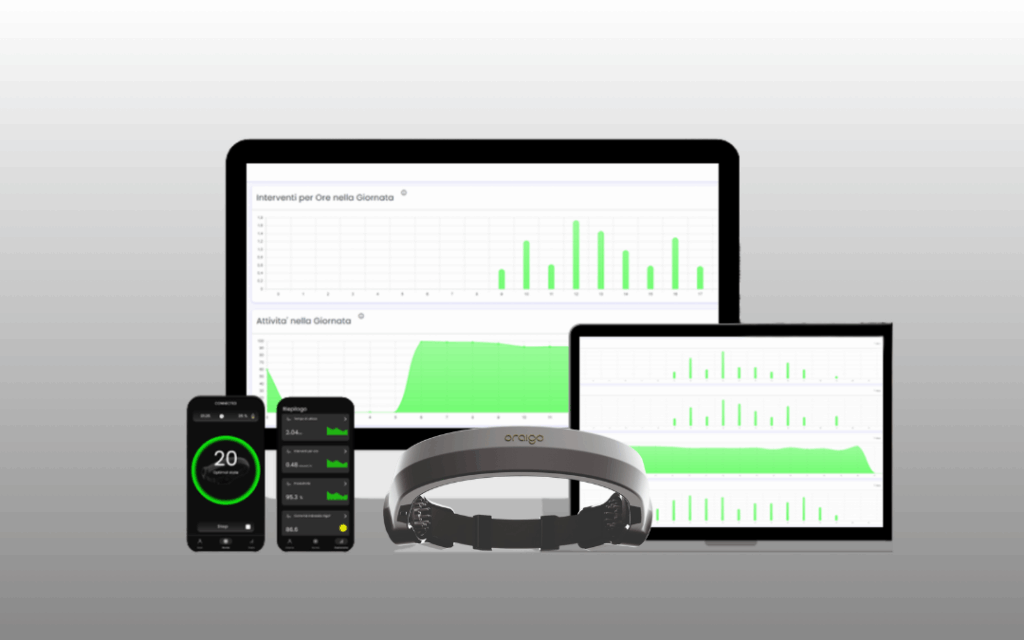
If you are looking for fleet safety solutions in the UK that combine driver fatigue monitoring, real-time risk detection, and actionable insights in a single platform, Oraigo is worth a closer look. Speak to our team today to find out how we can help your fleet reduce incidents, protect your operator licence, and build a safer operation from the ground up.