

Why Dangerous Goods Transport Safety Is a Global Priority
Transporting dangerous goods is one of the most regulated and high-risk activities in modern logistics. Every day, fleets move flammable liquids, toxic chemicals, gases, and other hazardous materials across public roads, often through densely populated areas. When something goes wrong, the consequences extend far beyond a delayed delivery: human lives are at risk, environmental damage can be severe, and companies face significant legal, financial, and reputational fallout. This is why Dangerous goods transport safety is not just a compliance requirement, it is a critical responsibility.
Over the years, international and national authorities have established strict regulations to govern how dangerous goods are classified, packaged, labeled, and transported. Frameworks such as ADR in Europe and similar regulations worldwide aim to reduce risks through standardization, training, and clear operational rules. However, despite these measures, serious incidents still occur. Investigations repeatedly show that compliance alone does not eliminate risk.
One of the main reasons is that regulations tend to focus on vehicles, documentation, and procedures, while the human factor remains harder to measure and manage. Driver fatigue, reduced alertness, stress, and cognitive overload continue to play a significant role in transport accidents, especially in dangerous goods transport, where long shifts and high responsibility are common. A momentary lapse in attention can be enough to turn a routine trip into a major incident.
As a result, the conversation around dangerous goods transport safety is evolving. Fleets are increasingly looking beyond minimum regulatory requirements and turning to technology to close critical safety gaps. Advanced vehicle systems, real-time monitoring, and emerging human-centric technologies are redefining how risk is identified and prevented. Understanding how regulations and technology work together is now essential for any fleet transporting dangerous goods safely and responsibly.
What Are Dangerous Goods? Scope, Risks, and Real-World Impact
Dangerous goods, also referred to as hazardous materials, are substances or articles that pose a risk to people, property, or the environment when transported. These materials are classified based on the specific dangers they present, such as flammability, toxicity, explosiveness, corrosiveness, or radioactivity. Common examples include fuel and petroleum products, industrial chemicals, gases, pharmaceuticals, lithium batteries, and certain types of waste.
International regulations group dangerous goods into clearly defined classes to standardize how they are handled and transported. While this classification system helps reduce ambiguity, it also highlights the sheer diversity of risks involved. A fuel spill, a chemical leak, or a gas release each require different safety measures and emergency responses, yet all share one critical factor: when something goes wrong, the consequences can escalate rapidly.
Road transport remains one of the most widely used methods for moving dangerous goods, and also one of the most exposed to risk. Vehicles travel through urban areas, tunnels, highways, and industrial zones, often sharing the road with the general public. Unlike controlled environments such as ports or rail terminals, road transport introduces unpredictable variables, including traffic conditions, weather, and human behavior.
The real-world impact of dangerous goods transport incidents goes far beyond the immediate crash or spill. Accidents can lead to road closures, evacuations, long-term environmental contamination, and severe injuries or fatalities. For operators, the fallout often includes regulatory penalties, legal action, increased insurance costs, and lasting reputational damage.
Studies and accident investigations consistently show that many of these incidents are not caused by equipment failure alone, but by a combination of factors, most notably human error. Fatigue, distraction, and delayed reactions can turn manageable situations into critical events. Understanding the nature of dangerous goods and the risks associated with their transport is the first step toward building more effective, technology-supported safety strategies.
Global Regulations Governing Dangerous Goods Transport
Because of the high risks involved, the transport of dangerous goods is governed by a complex network of international, regional, and national regulations. These frameworks exist to ensure that hazardous materials are handled, transported, and delivered in a way that minimizes risks to drivers, the public, and the environment. Understanding these regulations is a cornerstone of Dangerous Goods Transport Safety.
International Regulatory Frameworks
At the global level, the United Nations provides the foundation through the UN Recommendations on the Transport of Dangerous Goods. These recommendations establish a harmonized classification system, standard packaging requirements, labeling rules, and documentation guidelines. While they are not legally binding on their own, they serve as the basis for most international and regional regulations.
For road transport in Europe and many neighboring regions, the ADR (European Agreement concerning the International Carriage of Dangerous Goods by Road) is the primary regulatory framework. ADR defines everything from vehicle construction and tank approval to driver training, safety equipment, and operational procedures. Similar frameworks exist for other modes of transport, such as RID for rail, the IMDG Code for maritime transport, and ICAO/IATA regulations for air transport.
Regional and National Regulations
These international agreements are typically implemented and enforced through national legislation. In the European Union, ADR is updated regularly and adopted by member states, ensuring a high level of consistency across borders. In the United States, dangerous goods,referred to as hazardous materials, are regulated by the Department of Transportation (DOT) and enforced by agencies such as the FMCSA, with detailed rules covering vehicle standards, driver qualifications, and operational limits.

While the core principles are similar worldwide, enforcement intensity, penalties, and specific requirements can vary significantly by region. For fleets operating across borders, this adds another layer of complexity and increases the importance of systematic compliance management.
Why These Regulations Matter
Regulations exist not only to reduce the likelihood of accidents, but also to define accountability when incidents occur. They establish clear responsibilities for shippers, carriers, drivers, and fleet operators, and provide authorities with the tools to audit, enforce, and penalize unsafe practices.
However, regulations are inherently standardized and procedural. They define what must be done, not always what should be done to address real-time risks. As transport environments become more complex and operational pressures increase, fleets are increasingly recognizing that regulatory compliance is the baseline, not the finish line, for dangerous goods transport safety.
Key Safety Requirements for Dangerous Goods Transport
Ensuring dangerous goods transport safety relies on strict adherence to a set of well-defined safety requirements. These requirements are designed to reduce risk at every stage of the transport process, from vehicle preparation to driver behavior and emergency response. While details vary by regulation and region, the core principles remain consistent worldwide.
Vehicle and Equipment Standards
Vehicles used for transporting dangerous goods must meet specific technical and safety standards. This includes vehicle type approval, regular inspections, and certification of tanks, containers, and safety systems. Depending on the class of dangerous goods, vehicles may require reinforced tanks, pressure relief valves, grounding systems, fire-resistant components, and spill containment features. Mandatory safety equipment—such as fire extinguishers, protective gear, and emergency tools—must be on board and easily accessible at all times.
Packaging, Labeling, and Documentation
Proper packaging and clear identification are central to safe transport. Dangerous goods must be packaged in approved containers designed to withstand normal transport conditions and prevent leaks or reactions. Labels, placards, and hazard symbols must be correctly displayed on both the packaging and the vehicle to ensure instant recognition of risks by drivers, emergency responders, and inspectors. Transport documentation must accurately describe the goods, outline handling instructions, and include emergency procedures in case of an incident.
Driver Training and Certification
Drivers transporting dangerous goods are required to complete specialized training and obtain certification specific to the types of materials they carry. This training covers hazard awareness, safe handling practices, emergency response, and regulatory obligations. Regular refresher courses are often mandatory to ensure knowledge remains up to date. However, while training is essential, it cannot fully eliminate risks related to fatigue, stress, or reduced alertness during long or demanding shifts.
Operational Procedures and Controls
Beyond equipment and training, safe transport depends on robust operational procedures. These include route planning to avoid high-risk areas, adherence to speed limits and driving restrictions, controlled loading and unloading processes, and clearly defined emergency response plans. Fleets must also manage working hours, rest periods, and scheduling to comply with regulations and reduce fatigue-related risk.
Together, these safety requirements form the backbone of dangerous goods transport safety. Yet even when all rules are followed, real-world conditions can introduce unpredictable challenges, highlighting the growing need for technology that supports drivers and enhances situational awareness in real time.
The Human Factor: The Weakest Link in Dangerous Goods Transport Safety
Despite strict regulations, advanced vehicle standards, and detailed operational procedures, the human factor remains one of the most significant risks in dangerous goods transport. Investigations into serious transport incidents consistently show that human error, rather than mechanical failure alone, is a leading contributing factor. When hazardous materials are involved, even small mistakes can have disproportionate consequences.
Driver fatigue is one of the most critical and least visible risks. Transporting dangerous goods often involves long distances, early starts, night driving, and high cognitive demands. Drivers must remain alert not only to traffic conditions but also to strict procedural requirements, documentation checks, and route restrictions. Fatigue reduces reaction time, impairs judgment, and increases the likelihood of microsleep episodes (brief, involuntary lapses in attention that can occur without warning).
What makes fatigue particularly dangerous in this context is that it is difficult to detect using traditional methods. Regulations define maximum driving hours and mandatory rest periods, but they do not measure how alert a driver actually is at any given moment. A driver may be fully compliant on paper while still operating in a state of reduced cognitive performance due to poor sleep quality, cumulative fatigue, stress, or circadian rhythm disruption.
Other human factors, such as distraction, stress, and pressure to meet delivery schedules, further increase risk. In dangerous goods transport, drivers often carry a heightened sense of responsibility, which can paradoxically lead to mental overload and reduced situational awareness over time.
The challenge for fleets is that most safety systems and compliance frameworks focus on what can be easily observed or documented: vehicle condition, paperwork, training records, and driving hours. The internal state of the driver, their alertness and readiness to respond, is largely invisible.
Addressing this gap is essential for improving dangerous goods transport safety. As fleets move beyond a purely compliance-driven approach, understanding and managing human performance is becoming just as important as meeting technical and regulatory requirements.
Technology as a Pillar of Dangerous Goods Transport Safety
While regulations and operational procedures establish the foundation for safe dangerous goods transport, technology increasingly plays a central role in enhancing safety, reducing human error, and supporting compliance. Modern fleets are adopting a multi-layered approach that combines vehicle-based safety features, telematics, and driver-focused monitoring to create a proactive safety ecosystem.
A. Vehicle-Based Safety Technologies
Advancements in vehicle engineering have introduced numerous systems designed to prevent accidents before they occur. Lane departure warnings, electronic stability control, collision avoidance systems, and advanced braking technologies all help drivers maintain control in challenging conditions. For vehicles carrying hazardous materials, these systems are particularly critical, as even minor deviations or sudden maneuvers can trigger dangerous incidents. By automatically correcting or alerting drivers to potential hazards, these technologies reduce the likelihood of human error escalating into a major accident.
B. Telematics and Fleet Monitoring
Telematics platforms provide fleet managers with real-time visibility into vehicle location, speed, driving patterns, and operational compliance. By collecting data on harsh braking, rapid acceleration, route deviations, and driving hours, fleets can identify risky behaviors and intervene before incidents occur. This data also supports regulatory compliance, allowing companies to demonstrate adherence to legal limits on driving hours and operational standards. Beyond compliance, analytics from telematics enable optimization of routes, schedules, and maintenance cycles—reducing both risk and operational costs.
C. Driver-Focused Safety Technology
While vehicle and fleet monitoring technologies are essential, they often fail to capture the most critical variable: the driver’s mental and physiological state. Camera-based monitoring systems track eye movement or facial expressions to identify distraction or drowsiness, but these solutions can be limited by lighting conditions, obstructions, or driver behavior. Traditional monitoring is reactive—it only alerts when symptoms of fatigue are already visible, leaving a window of risk that can still result in dangerous situations.
D. Neurotechnology and Fatigue Detection
This is where neurotechnology offers a transformative advantage. Devices that measure brain activity in real time, such as EEG-based wearables (such as Aigo), can detect the earliest signs of drowsiness or reduced alertness, long before visual symptoms appear. Alerts can be sent directly to the driver, prompting rest or other preventive measures, while aggregated and anonymized data can provide fleet managers with insights into overall fatigue trends. This proactive approach helps prevent incidents, rather than simply responding to them after they occur.

By integrating vehicle-based systems, telematics, and neurotechnology, fleets create a layered safety net that addresses both mechanical and human factors. In dangerous goods transport, where a single lapse can have catastrophic consequences, combining these technologies is not just an innovation, it is becoming an essential standard for responsible operations.
How Technology Supports Regulatory Compliance
Compliance with dangerous goods regulations is essential, but traditional methods—manual logs, paperwork, and periodic inspections, only provide a partial picture of safety. Modern technology enables fleets to go beyond basic compliance, turning regulations from a static checklist into a dynamic, proactive safety strategy.
Real-Time Monitoring for Dynamic Compliance
Telematics and vehicle-based safety systems allow fleet managers to monitor driver behavior, vehicle performance, and operational conditions in real time. For example, data on speed, braking, route adherence, and driving hours can be automatically recorded and analyzed. This not only ensures adherence to regulations like ADR, RID, or DOT HAZMAT rules, but also allows managers to intervene before non-compliance translates into risk.
Digital Records and Audit Readiness
Digital monitoring creates a comprehensive record of fleet operations, which can simplify inspections and audits. Instead of manually compiling logs or relying on driver self-reporting, fleet managers have instant access to verifiable, time-stamped data on every vehicle and driver. This helps demonstrate a company’s commitment to duty of care and regulatory obligations.
Enhancing Human-Factor Compliance
While regulations mandate limits on driving hours and rest periods, they do not measure real-time alertness or cognitive performance. Driver-focused technologies, particularly neurotechnology solutions, bridge this gap. By detecting early signs of fatigue and alerting both the driver and the fleet manager, these systems help companies comply with the spirit of the rules, not just the letter. This proactive approach ensures that drivers remain fit for duty, reducing the likelihood of accidents while remaining within legal frameworks.
Aggregated Insights for Continuous Improvement
Beyond compliance, technology provides aggregated, anonymized insights into fleet-wide patterns, such as recurring fatigue trends, route challenges, or vehicle maintenance issues. This allows companies to optimize scheduling, route planning, and training programs, transforming compliance data into actionable intelligence that improves safety, efficiency, and operational performance.
In dangerous goods transport, where mistakes can have severe consequences, combining regulatory adherence with real-time, human-centered technology creates a robust, future-proof safety framework. By embracing these tools, fleets not only meet legal requirements but actively reduce risk, protect drivers, and enhance operational efficiency.
Best Practices for Improving Dangerous Goods Transport Safety
Ensuring the safe transport of dangerous goods requires a holistic approach that goes beyond regulatory compliance. While adherence to standards is essential, the most effective fleets combine regulations, operational procedures, and technology to create a proactive safety culture.
1. Integrate Compliance with Daily Operations
Compliance should be built into every step of the transport process. From vehicle inspections and route planning to driver scheduling and emergency preparedness, safety requirements must become part of the workflow rather than a separate checklist. Clear standard operating procedures, routine audits, and real-time monitoring help ensure that compliance is consistent across all drivers and vehicles.
2. Prioritize Driver Health and Alertness
The human factor remains one of the most critical risks in dangerous goods transport. Best practices include designing schedules that allow sufficient rest, monitoring cumulative fatigue, and promoting awareness of signs of drowsiness or cognitive overload. Encouraging a culture where drivers feel comfortable reporting fatigue, rather than pushing through exhaustion, significantly reduces accident risk.
3. Use Technology Strategically
Fleet managers can leverage vehicle-based safety systems, telematics, and driver-focused monitoring tools to prevent incidents before they happen. Advanced analytics can highlight risky behaviors, optimize routes, and provide actionable insights into operational efficiency. Proactive technology adoption ensures that fleets are not just compliant on paper, but genuinely safer in real-world conditions.
4. Continuous Training and Improvement
Even experienced drivers benefit from regular training, refreshers, and scenario-based exercises. Ongoing education reinforces safety protocols, familiarizes drivers with emerging risks, and promotes the adoption of new technologies.
5. Foster a Safety-First Culture
Ultimately, the most successful fleets treat safety as a shared responsibility. Management support, clear communication, and recognition of safe behaviors encourage accountability and vigilance. By combining these cultural practices with regulatory adherence and technology, fleets can move from reactive risk management to preventive, data-driven safety.
Implementing these best practices creates a strong foundation for protecting drivers, cargo, and the public. When combined with advanced monitoring technologies, especially those that address fatigue and human alertness, fleets can significantly enhance Dangerous Goods Transport Safety and operational efficiency.
The Future of Dangerous Goods Transport Safety
The landscape of dangerous goods transport is evolving rapidly, driven by advances in technology, stricter regulatory enforcement, and a growing focus on the human factor. While traditional compliance frameworks remain essential, the future of Dangerous Goods Transport Safety lies in proactive, data-driven solutions that prevent incidents before they occur.
Predictive Analytics and AI
Artificial intelligence and predictive analytics are transforming fleet management. By analyzing historical data on driving patterns, fatigue, vehicle performance, and environmental conditions, AI systems can identify potential risks in advance. Fleets can then take preventive actions, such as adjusting routes, modifying schedules, or alerting drivers to early signs of fatigue.
Human-Centered Safety Solutions
The industry is increasingly recognizing that human performance is a critical determinant of safety. Technologies that monitor alertness, cognitive load, and fatigue in real time are becoming a standard complement to traditional vehicle and telematics systems. Early detection of reduced attention or microsleep can significantly reduce the likelihood of accidents, especially when transporting hazardous materials.
Integrated Digital Platforms
Future solutions will increasingly combine vehicle sensors, fleet analytics, and human-factor monitoring into unified platforms. This integration allows fleet managers to make informed decisions, maintain regulatory compliance, and continuously improve operational safety.
From Reactive to Preventive Safety
The shift from reactive accident reporting to preventive safety is already underway. Fleets that embrace these technologies not only protect drivers and cargo but also demonstrate leadership in regulatory adherence, environmental stewardship, and operational efficiency.
By anticipating risks rather than reacting to them, the next generation of dangerous goods transport systems will create a safer, smarter, and more responsible industry. This evolution highlights the importance of innovative tools, such as fatigue-monitoring neurotechnology, to address the human element that traditional regulations alone cannot manage.
Beyond Compliance Toward improved Dangerous Goods Transport Safety
Transporting dangerous goods is inherently risky, and while regulations provide essential guidelines, compliance alone cannot eliminate human error or fatigue-related incidents. Fleets that focus solely on meeting the minimum legal requirements may still face accidents, environmental damage, and operational disruptions.
The future of Dangerous Goods Transport Safety lies in combining regulatory adherence with advanced technology. Vehicle-based safety systems, telematics, predictive analytics, and human-centered monitoring create a comprehensive safety framework that addresses both mechanical and human risks. In particular, real-time fatigue detection and alert systems ensure drivers remain alert, reducing the likelihood of accidents before they occur.
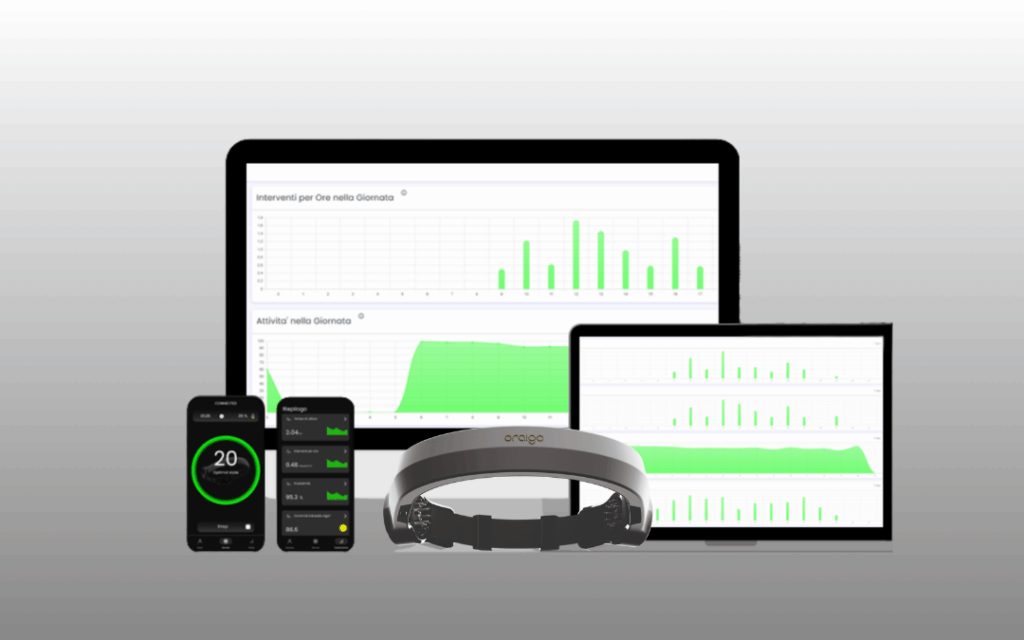
At Oraigo, we are pioneering solutions that integrate these capabilities into a single ecosystem. Our Aigo headband monitors driver alertness using brainwaves, sending proactive warnings to prevent microsleep episodes via the Go App, while fleet managers receive aggregated and anonymized data to optimize operations safely in our Fleet web app.
For fleets looking to move beyond compliance and truly prioritize safety, we offer a no-cost pilot project to experience the Oraigo system firsthand. See how our technology can help your drivers stay alert, protect your cargo, and make compliance easier than ever. Contact us at info@oraigo.com or book you call here to start your pilot and discover a smarter approach to dangerous goods transport safety.
