The Pressing Issue of Road Safety
Road safety has become one of the most pressing challenges facing commercial fleets today. As logistics operations grow more complex and delivery timelines tighter, fleet operators are under increasing pressure to keep vehicles moving efficiently without compromising safety. Accidents involving commercial vehicles are on the rise from 10 years ago. They don’t just result in damaged assets or delayed shipments; they carry serious human, legal, and financial consequences that can impact an entire organization.
This is where Commercial Vehicle Safety Systems have shifted from being “nice-to-have” add-ons to essential components of modern fleet operations. From advanced driver assistance technologies and real-time monitoring tools to compliance-focused solutions, commercial vehicle safety systems now play a critical role in preventing accidents before they happen. Rather than reacting to incidents after the fact, fleets can use data-driven insights to identify risk, and avoid accidents on the road.
Beyond protecting drivers and other road users, investing in commercial vehicle safety systems delivers measurable business value. Fleets that prioritize safety often see lower insurance premiums, fewer regulatory violations and reduced downtime. Most importantly, prioritizing safety improves driver retention, which has become increasingly important in an industry facing chronic labor shortages. In many cases, the cost of implementing safety technology is far outweighed by the long-term savings and operational stability it provides.
In this article, we’ll explore the essential features that define effective Commercial Vehicle Safety Systems, examine how they contribute to fleet safety and compliance, and outline what fleet managers should consider when selecting the right solutions for their operations.
Why safety matters for fleets
Safety is a core operational concern for any fleet, not just a regulatory requirement, but a fundamental driver of long-term performance. When a commercial vehicle is involved in an accident, the consequences extend far beyond the immediate repair costs. Injuries, lost lives, vehicle downtime, delayed deliveries, legal disputes, and reputational damage can quickly add up, turning a single incident into a major operational setback.
From a financial perspective, unsafe driving behaviors are among the leading contributors to rising fleet costs. Collisions increase insurance premiums, trigger liability claims, and often result in unplanned maintenance or vehicle replacements. Even near-misses can disrupt schedules and reduce productivity. Over time, fleets with poor safety records may find it more difficult to secure contracts or negotiate favorable insurance terms, directly impacting profitability.
Regulatory compliance adds another layer of urgency. Governments and transportation authorities continue to tighten safety standards, placing greater responsibility on fleet operators to monitor driver behavior, manage fatigue, and maintain vehicles properly. Failure to comply can result in hefty fines, license suspensions, and increased scrutiny during audits. Modern commercial vehicle safety systems help fleets stay ahead of these requirements by automating compliance processes and providing accurate, auditable data.
Safety also plays a critical role in driver retention and morale. Professional drivers are more likely to stay with fleets that prioritize their well-being and provide tools that support safer driving conditions. In an industry facing ongoing driver shortages, creating a culture of safety can be a powerful differentiator among the competition.
Ultimately, prioritizing safety is not about slowing operations down, it’s about building a more resilient, efficient, and sustainable fleet. By reducing risk at every level, fleets protect their people, their assets, and their business future.
Core Commercial Vehicle Safety Systems Every Fleet Should Consider
Modern fleets operate in high-risk environments where a single lapse in attention, mechanical failure, or blind spot can result in serious consequences. To mitigate these risks, Commercial Vehicle Safety Systems combine hardware, software, and data analytics to actively prevent accidents, support drivers, and improve overall fleet performance. While no single solution can eliminate risk entirely, a layered approach to safety delivers the strongest results.
Driver Monitoring and Fatigue Detection Systems
Driver fatigue and distraction remain among the leading causes of commercial vehicle accidents. Driver monitoring systems are designed to address this challenge by analyzing physical indicators, such as eye movement, head position, and reaction times or internal ones, such as EEG. When signs of drowsiness or inattention are detected, the system can alert the driver in real time, allowing them to take necessary action, such as a quick break.
For fleet managers, these systems provide valuable insights into fatigue patterns across routes, shifts, or vehicle types. Rather than relying solely on post-incident analysis, fleets can take proactive steps to reduce risk and support driver well-being. Importantly, when deployed transparently, driver monitoring technology reinforces a culture of safety rather than surveillance.
Advanced Driver Assistance Systems (ADAS)
Advanced Driver Assistance Systems form the backbone of many modern Commercial Vehicle Safety Systems. These technologies use cameras, radar, and sensors to help drivers anticipate and respond to potential hazards.
Key ADAS features include lane departure warnings, forward collision alerts, automatic emergency braking, and adaptive cruise control. Together, these systems act as a second set of eyes, especially in high-speed or high-traffic conditions. For heavy and long-haul vehicles, ADAS significantly reduces the likelihood of rear-end collisions and lane drift accidents: two of the most common crash types in fleet operations.
As these systems evolve, they are becoming increasingly accurate and less intrusive, providing critical support without undermining driver control.
Telematics and Fleet Data Platforms
Telematics systems collect and transmit real-time data from vehicles, creating a comprehensive view of fleet performance and safety. Using GPS, onboard diagnostics, and sensor data, telematics platforms track metrics such as speed, harsh braking, sharp cornering, engine health, and idling time.
From a safety standpoint, telematics allows fleet managers to identify risky driving behaviors before they lead to incidents. This data can be used for targeted coaching, route optimization, and predictive maintenance. When safety and performance data are centralized in a single dashboard, decision-makers can respond faster and with greater confidence.
Telematics also plays a key role in compliance reporting, reducing administrative workload while improving accuracy.
Video Telematics and Dashcam Systems
Video telematics adds visual context to driving data, making it one of the most powerful Commercial Vehicle Safety Systems available today. These systems typically include forward-facing, driver-facing, and sometimes 360-degree cameras that automatically record critical events such as hard braking, collisions, or near-misses.
For fleets, video footage is invaluable for incident investigations, insurance claims, and driver training. It helps distinguish between preventable and non-preventable events, protecting drivers from false claims while identifying genuine safety gaps.
When paired with AI-based analytics, video telematics can detect unsafe behaviors like mobile phone use, seatbelt violations, or tailgating in real time, enabling immediate corrective action.
Electronic Logging Devices (ELDs)
Electronic Logging Devices are essential for managing driver hours and reducing fatigue-related risk. By automatically tracking driving time, rest periods, and duty status, ELDs ensure compliance with Hours of Service regulations and eliminate manual logbook errors.
Beyond compliance, ELD data helps fleet managers identify scheduling inefficiencies and fatigue risks across shifts and routes. By aligning workloads with realistic driving limits, fleets can improve safety without sacrificing productivity.
Blind Spot Detection and Proximity Sensors
Large commercial vehicles often have significant blind spots that increase the risk of side-impact collisions and pedestrian accidents. Blind spot detection systems use radar, ultrasonic sensors, or cameras to monitor areas the driver cannot easily see.
These systems are particularly valuable in urban environments, loading zones, and congested traffic. Audible or visual alerts warn drivers of nearby vehicles, cyclists, or obstacles, helping prevent costly and dangerous incidents.
Tire Pressure Monitoring Systems (TPMS)
Tire-related failures are a common yet preventable cause of commercial vehicle accidents. Tire Pressure Monitoring Systems continuously track air pressure and temperature, alerting drivers and fleet managers to potential issues before they escalate.
Maintaining proper tire pressure improves braking performance, fuel efficiency, and vehicle stability. Over time, TPMS contributes to lower maintenance costs and reduced roadside breakdowns.
Together, these Commercial Vehicle Safety Systems create a comprehensive safety ecosystem that protects drivers, vehicles, and the broader public. Fleets that invest in these essential features move from reactive incident management to proactive risk prevention: laying the foundation for safer, more efficient operations.
How to Choose the Right Safety Systems for Your Fleet
Selecting the right Commercial Vehicle Safety Systems is not about adopting every available technology, but about identifying the solutions that best address your fleet’s specific risks, operations, and long-term goals. A thoughtful, strategic approach ensures safety investments deliver measurable value without adding unnecessary complexity.
The first step is to assess your fleet’s risk profile. Consider where and how your vehicles operate: long-haul highway driving, urban delivery routes, night shifts, or cross-border transportation all present different safety challenges. Reviewing historical incident data, near-miss reports. In addition, driver feedback can help pinpoint the most critical risk factors, whether fatigue, blind spots, speeding, or maintenance-related failures.
Integration and compatibility are equally important. Commercial vehicle safety systems are most effective when they work together rather than in isolation. Telematics, driver monitoring, video systems, and compliance tools should ideally feed into a unified platform or dashboard. This reduces data silos, simplifies reporting, and allows fleet managers to gain a holistic view of safety performance. When evaluating vendors, prioritize open APIs and proven integration capabilities.

Driver acceptance is another key consideration. Commercial vehicle safety systems should support drivers, not overwhelm or alienate them. Poorly designed alerts or excessive notifications can lead to alert fatigue and reduced effectiveness. Choosing intuitive systems with configurable alerts, and pairing them with clear communication and training, helps foster trust and adoption across the fleet.
Scalability also matters. As fleets grow, routes change, or regulations evolve, commercial vehicle safety systems should be able to scale and adapt. Cloud-based platforms and modular solutions make it easier to add features, vehicles, or users without major disruptions.
Finally, fleets should evaluate cost in terms of return on investment rather than upfront expense. While advanced commercial vehicle safety systems require initial investment, they often deliver long-term savings through reduced accidents, lower insurance premiums, improved compliance, and better driver retention. When chosen strategically, Commercial Vehicle Safety Systems become a powerful enabler of safer, more efficient, and more resilient fleet operations.
Success Stories: Fleets That Transformed Safety
For many fleet operators, the true value of Commercial Vehicle Safety Systems becomes clear only after they are implemented at scale. Across industries, fleets that adopt a proactive approach to safety consistently report fewer incidents, stronger compliance outcomes, and more resilient operations.
One regional logistics fleet operating a mixed fleet of 50 heavy-duty vehicles faced a growing number of fatigue-related incidents on long overnight routes. By introducing driver monitoring technology alongside fatigue alerts and revised scheduling policies, the company was able to identify high-risk driving windows and intervene before incidents occurred. Within the first year, preventable collisions dropped significantly, while drivers reported feeling more supported rather than monitored. Insurance claims related to fatigue and distraction were reduced, resulting in measurable cost savings.
In another example, a last-mile delivery fleet working in dense urban environments struggled with minor collisions, disputed liability claims, and inconsistent driving behavior across drivers. By deploying video telematics combined with telematics-based driver scoring, the fleet gained visibility into near-misses and risky behaviors such as harsh braking and unsafe following distances. Video evidence helped exonerate drivers in non-fault incidents while enabling targeted coaching where improvement was needed. Over time, accident frequency declined and driver accountability improved without increasing administrative workload.
A third fleet operating across multiple jurisdictions adopted electronic logging devices and integrated compliance dashboards to address recurring Hours of Service violations. Automated logging and real-time alerts reduced manual errors and improved audit readiness. As compliance improved, the fleet experienced fewer penalties and gained greater trust from regulatory bodies and commercial partners.
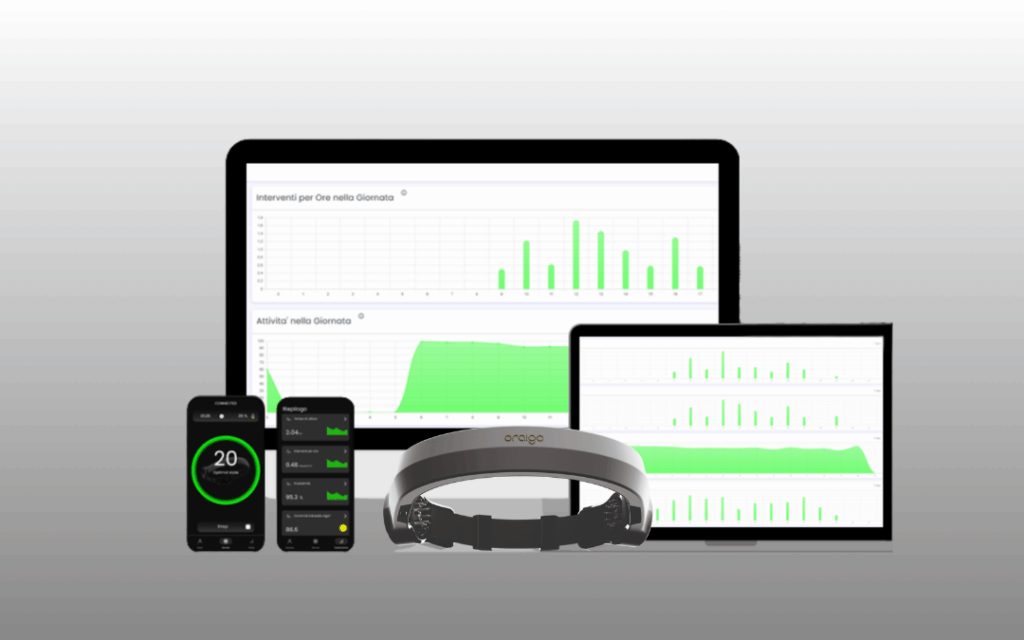
Lastly, a fleet operating tens of heavy-duty vehicles is taking part in Oraigo’s pilot program. By using Oraigo’s integrated ecosystem, The headband Aigo, the mobile app Go and the web app Fleets, the manager was able to track the activity of the drivers. From hours driving, to number of microsleeps, to the duration of each microsleep, the fleet manager was capable of understanding the issues faced by the drivers, and is able to confidently take the next step in preventing these microsleep episodes through integrating Oraigo’s ecosystem in their operations. By taking part in Oraigo’s pilot project, fleet managers track the data regarding fleet fatigue, and prevent fatigue peaks and microsleep events: basically, your fleet gets to test our solution before committing!

If you also would like to take part in our pilot project, and get y to 3 Aigo devices per fleet, contact us by emailing info@oraigo.com or by booking you call here!
These success stories highlight a common theme: when Commercial Vehicle Safety Systems are implemented thoughtfully and aligned with operational goals, they do more than reduce risk. They transform fleet culture, improve performance, and create safer roads for everyone.
Common Challenges and How to Overcome Them
While Commercial Vehicle Safety Systems offer clear benefits, fleets often encounter challenges during adoption and implementation. Understanding these obstacles, and how to address them, can make the difference between a successful safety program and an underutilized investment.
One of the most common challenges is driver resistance. Drivers may perceive safety technology as intrusive or punitive, especially when monitoring tools are introduced without proper context. To overcome this, fleets should communicate openly about the purpose of commercial vehicle safety systems, emphasizing protection, fairness, and support rather than surveillance. Involving drivers early, providing training, and sharing positive outcomes, such as reduced false claims or improved scheduling, can significantly increase buy-in.
Another challenge is data overload. Modern commercial vehicle safety systems generate vast amounts of information, and without proper filtering, fleet managers can become overwhelmed. The solution lies in prioritizing actionable insights over raw data. Unified dashboards, configurable alerts, and automated reports help teams focus on the most critical safety risks instead of reacting to every data point. All of this has been taken into consideration when developing Oraigo’s Fleet web app, which is highly user friendly.
Upfront costs also remain a concern, particularly for small or mid-sized fleets. While commercial vehicle safety systems require initial investment, fleets can mitigate this challenge by rolling out solutions in phases, starting with high-impact technologies such as driver monitoring or telematics. Many providers also offer subscription models that reduce capital expenditure. In the case of Oraigo’s solutions, fleets have the opportunity to test our services and products free of cost!
Finally, integration with existing systems can pose technical difficulties. Choosing vendors with proven integration capabilities, strong customer support, and open APIs helps ensure new Commercial Vehicle Safety Systems complement, not complicate, current operations. When these challenges are addressed proactively, safety technology becomes a long-term asset rather than a short-term hurdle.
The Future of Commercial Vehicle Safety Systems
The future of Commercial Vehicle Safety Systems is being shaped by rapid advances in artificial intelligence, connectivity, and automation. Rather than simply responding to incidents, next-generation safety technologies are focused on predicting risk and preventing accidents before they occur. AI-driven analytics will increasingly identify patterns across driver behavior, vehicle performance, and environmental conditions, enabling fleets to intervene proactively and with greater precision.
As partial automation and advanced driver assistance features continue to evolve, the relationship between drivers and technology will become more collaborative. Rather than replacing drivers, these systems will act as intelligent copilots, supporting decision-making during high-risk scenarios and reducing cognitive load during long or demanding shifts.
Ultimately, the future of Commercial Vehicle Safety Systems lies in creating safer ecosystems, not just safer vehicles. Fleets that embrace innovation early will be better positioned to meet evolving regulations, protect their workforce, and build more efficient, resilient operations in an increasingly complex transportation landscape.
Choose Oraigo as your trusted partner in commercial vehicle safety system
As fleet operations continue to evolve, investing in Commercial Vehicle Safety Systems is no longer optional, it is essential. From driver monitoring and advanced assistance technologies to telematics and compliance tools, the right combination of commercial vehicle safety systems helps fleets reduce risk, protect drivers, and operate more efficiently. Beyond preventing accidents, these technologies support regulatory compliance, lower operating costs, and strengthen long-term business resilience.
However, technology alone is not enough. The most effective safety strategies combine intelligent systems with a proactive safety culture that prioritizes driver well-being and real-time risk prevention.
If fatigue and inattention are key challenges in your fleet, Oraigo’s neurotechnology-based safety system offers a proven, science-driven approach to detecting drowsiness before it leads to incidents. By providing real-time alerts and actionable insights, Oraigo helps fleets move from reactive safety management to proactive prevention.
If you would like to learn more about our solution, you can email us at info@oraigo.com or by booking your call with one of our specialists here.
Discover how Oraigo can support safer, more reliable fleet operations, because every safer journey is a step towards the future.