Why Logistics Fleet Safety Solutions Are essential Today
Every year, thousands of accidents involve commercial logistics vehicles. According to recent European data, nearly one in five serious road incidents is linked to preventable human or operational factors. As delivery expectations rise and supply chains grow more demanding, logistics companies face mounting pressure to reduce accidents, minimize downtime, and control escalating costs.
This is where logistics fleet safety solutions come in: a combination of technologies, monitoring systems, training programs, and preventative strategies designed to protect drivers, vehicles, cargo, and the businesses behind them. Modern fleet safety isn’t just about preventing accidents, it’s about building a smarter, more resilient operation that runs efficiently, compliantly, and with minimal risk.

In this article, we’ll break down the biggest safety challenges for logistics fleets, explore the most effective tools available today, and highlight the best practices and emerging technologies that are transforming the future of fleet safety.
Understanding Fleet Safety Challenges in Logistics
Logistics fleets operate under conditions that naturally increase risk: tight delivery deadlines, long-distance routes, and routine night shifts. All of which create an environment where safety can quickly erode if not carefully managed.
One of the most significant risk factors is driver fatigue, responsible for a substantial portion of serious road accidents. Long hours, irregular sleep, and monotonous driving environments make professional drivers particularly vulnerable. Distracted driving, from phones, navigation tools, or even mental overload, adds another layer of danger. Fleet operators also struggle with poor vehicle maintenance, where skipped inspections or delayed repairs lead to mechanical failures on the road.
Behaviors like harsh braking, overspeeding, or aggressive acceleration not only increase accident risk but also raise fuel consumption and insurance costs. External conditions, such as night driving, heavy traffic, and adverse weather, further amplify these challenges.
These factors directly impact fleet safety and ultimately a company’s financial stability. Understanding these risks highlights the crucial need for strategic safety programs and advanced technologies. Tools that allow fleets to prevent incidents rather than react to them.
The Cost of Unsafe Logistics Operations
Unsafe operations come at a high price for logistics companies, which goes far beyond the immediate cost of an accident.
Financially, collisions lead to expensive vehicle repairs, prolonged downtime, rising insurance premiums, and potential legal claims.Taking all of that into consideration, a single incident can cost up to hundreds of thousands of euros.
Operationally, accidents disrupt routes, delay deliveries, and undermine supply chain reliability. This often results in customer dissatisfaction, missed deadlines, and contract penalties. All of which weaken a company’s competitive edge.

The human impact is the most serious: driver injuries, long-term disabilities, and fatalities create emotional and operational strain. On top of these consequences being devastating, they often contribute to driver shortages in a sector already struggling to attract and retain human capital.
According to transportation reports, road accidents involving commercial vehicles cost businesses billions annually in combined losses. This is why investing in strong logistics fleet safety solutions is not an expense, it’s a cost-saving strategy.
What Makes an Effective Logistics Fleet Safety Solution?
An effective logistics fleet safety solution must go beyond basic alerts. It needs to be proactive rather than reactive. The best systems are built on data-driven monitoring, capturing insights from drivers, vehicles, and environmental conditions to deliver accurate, real-time safety predictions.
Integration is also essential. Safety tools should connect seamlessly with existing fleet management platforms, telematics systems, and compliance software, making adoption easy for both managers and drivers. A strong logistics fleet safety solution must also be scalable, supporting small fleets with a few vehicles as well as international logistics operations with hundreds of trucks.
To truly reduce risk, a system must address both human behavior (fatigue, distraction, speeding, etc..) and vehicle performance (maintenance alerts, mechanical issues, etc…). When these elements work together, fleets gain a full-rounded safety plan.
This sets the stage for the next section, where we explore the most effective tools used in modern logistics fleet safety.
Technology-Driven Logistics Fleet Safety Solutions
Modern logistics fleets are under increasing pressure to operate safely, efficiently, and transparently. Technology has become the backbone of fleet safety, providing real-time insights that help managers prevent risks rather than simply respond to accidents. Today’s most effective solutions combine driver monitoring, vehicle analytics, AI-based alerts, and predictive tools. Below is a comprehensive overview of the key technologies reshaping logistics fleet safety solutions.
Driver Fatigue Detection Systems
Driver fatigue remains one of the biggest risks on operational efficiency in logistics fleets, responsible for a large share of severe road accidents. Because fatigue builds gradually and often goes unnoticed, traditional methods like self-reporting or rest-hour regulations are not enough. This is why fatigue detection systems are becoming essential.
EEG-based logistics fleet safety solutions, such as Oraigo’s brainwave-monitoring technology, analyze the driver’s brain activity to detect the earliest signs of microsleep and cognitive decline. These systems are the most accurate and quickest because they measure fatigue at the source, the brain, rather than relying on external cues.
Camera-based logistics fleet safety solutions use AI to monitor facial expressions, eye closure rates, yawning frequency, and head position. While helpful, they can be affected by lighting, sunglasses, or poor angles.
Logistics fleet safety solutions help fleets prevent accidents, reduce downtime, and improve driver wellbeing through timely alerts and data-driven rest scheduling. They’re especially valuable for long-haul transport, overnight delivery routes, and heavy-duty operations.
Telematics & Vehicle Tracking
Telematics is the foundation of modern logistics safety management. These systems track real-time routes, vehicle positions, speed, harsh braking, and cornering patterns. All of which are critical indicators of high-risk driving. With telematics, managers can immediately identify dangerous behavior or route issues and intervene before a situation becomes more dangerous.
Geofencing adds an extra layer of safety by flagging when a driver enters high-risk zones such as accident-prone highways, steep terrain, or restricted areas. Combined with safety dashboards, telematics enables precise monitoring across large fleets.
When integrated with fatigue detection or maintenance systems, telematics becomes a powerful tool for risk prevention, helping logistics companies reduce accidents and ensure safety on the road.
Advanced Driver Assistance Systems (ADAS)
ADAS technologies play a crucial role in reducing human error, which is one of the leading causes of road accidents. Key systems include lane-keeping assistance, forward-collision warnings, blind-spot detection, and automatic emergency braking.
In many regions, including the EU, ADAS features are becoming mandatory for new commercial vehicles, accelerating adoption across logistics fleets. For companies prioritizing safety, ADAS represents an immediate and effective way to prevent high-impact collisions and protect both drivers and cargo.
Predictive Maintenance Solutions
Predictive maintenance tools use onboard sensors to monitor brake wear, engine health, oil quality, battery performance, and tire pressure. Instead of waiting for breakdowns or relying solely on scheduled servicing, these tools alert managers the moment vehicle components show signs of deterioration.
This prevents unexpected failures on the road, which is one of the most dangerous and costly incidents in logistics. By detecting these issues early, fleets reduce repair expenses, avoid delivery delays, and significantly improve safety.
Human-Centric Safety Strategies for Logistics Fleets
While technology plays a crucial role in modern fleet safety, human-centered strategies remain the foundation of a strong safety culture. Effective logistics operations start with driver training and continuous upskilling. Ensuring drivers understand safe driving behaviors, risk scenarios, and how to use new safety technologies correctly. Regular refresher courses help maintain high standards, especially for fleets with high turnover.
Rest policies and fatigue education are equally essential. Drivers must understand the signs of fatigue, how sleep cycles work, and why microsleep is so dangerous. When combined with clear rest rules and supportive scheduling, drivers are more likely to take breaks before risk develops.
Many logistics companies also implement safety reward programs, recognizing drivers who consistently demonstrate safe behavior. A positive reinforcement approach encourages long-term habit changes rather than short-term compliance.
With long-haul work becoming increasingly demanding, mental health awareness is gaining importance. Stress management resources, access to support services, and open communication channels help drivers feel valued and supported.
Finally, shift planning and optimized scheduling reduce time pressure, which is one of the biggest contributors to risky driving.
Most importantly, involving drivers in the adoption of new safety tools builds trust and ensures higher adoption rates. By blending human strategies with advanced technology, logistics fleets can achieve the highest level of safety and performance.
How to Build a Connected Fleet Safety Ecosystem
Modern logistics fleets shouldn’t rely on isolated safety tools. To truly reduce accidents and operational risks, companies need a connected fleet safety ecosystem where every component works together towards the common goal of reducing risks and costs. Instead of treating fatigue monitoring, telematics, maintenance alerts, and driver feedback as separate processes, an integrated system ensures data flows seamlessly across the entire operation.
A connected workflow might look like this: EEG-based fatigue monitoring detects early signs of microsleep, which triggers telematics alerts during risky driving events. Then, it sends data to the maintenance platform if vehicle behavior suggests mechanical issues which updates the central safety dashboard, giving managers a real-time overview of fleet health.
This ecosystem approach strengthens early detection, automates reporting, and allows continuous improvement based on real data, not guess work.
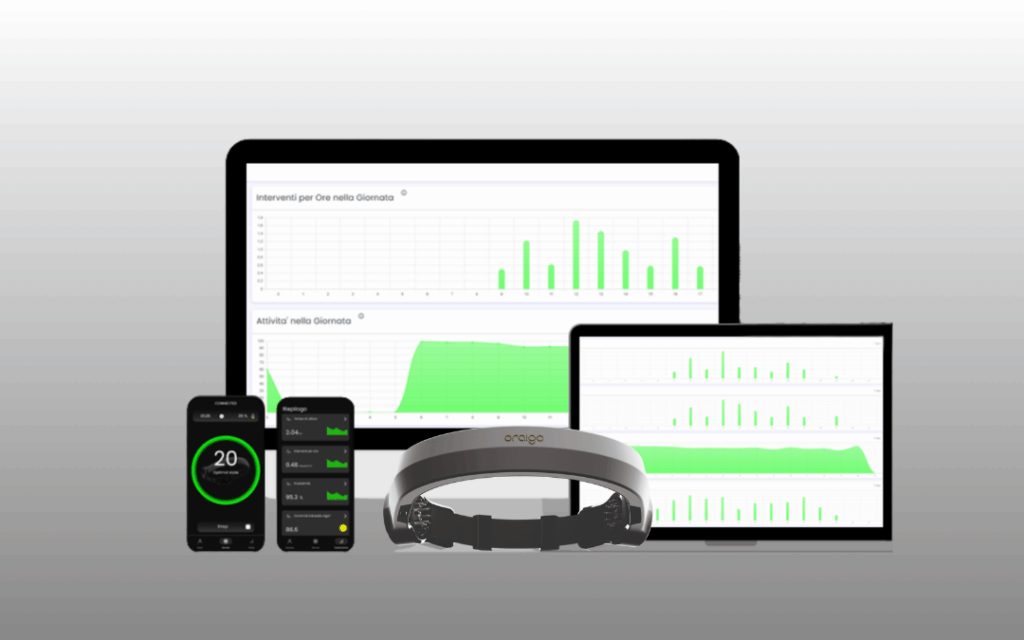
Oraigo offers a model for this integrated ecosystem: the Aigo wearable for brain-based fatigue detection, the Go mobile app for driver interaction, and the Fleets platform for centralized monitoring and decision-making. Together, these tools create a truly connected safety ecosystem for modern logistics fleets.
Implementation Tips for Logistics Fleet Safety Systems
Successfully implementing logistics fleet safety solutions requires a structured approach. Here are some tips for how to delve into the future of logistics fleet safety solutions:
Start with a pilot program, allowing a small group of vehicles and drivers to test new tools in real-world conditions. This approach helps identify challenges and ensures smooth adoption before integrating the tool fleet-wide.
Training is essential. Drivers and fleet managers should understand how each system works, including fatigue detection devices, telematics alerts, and safety dashboards. Clear guidance reduces errors and maximizes the value of the technology.
Integration with existing fleet management and telematics platforms ensures seamless data flow, enabling centralized monitoring and automated reporting. Regularly review safety metrics, such as alerts, incidents, and driver behavior trends, to adjust schedules, maintenance, or training where needed.
Encourage a feedback culture, giving drivers a voice in refining processes and building trust in the new systems.
For fleets looking to get started, Oraigo offers pilot programs to help integrate advanced safety technology effectively and efficiently.
Choose Oraigo for an integrated fleet management ecosystem
In today’s logistics industry, logistics fleet safety solutions are no longer optional, they are essential for reducing accidents, protecting drivers, and lowering operational costs. Proactive monitoring, particularly EEG-based fatigue detection, represents the new standard in road safety, enabling fleets to identify risks before incidents occur. Combined with telematics, predictive maintenance, and ADAS, these tools help companies operate more cost-efficiently while safeguarding their teams.
A safer fleet isn’t just about compliance, it also means lower insurance premiums, stronger reputation, and healthier drivers.Ready to elevate your fleet safety? Discover how Oraigo’s fatigue monitoring and connected fleet solutions can protect your drivers and optimize operations. Visit oraigo.com or book a pilot project today.