Why Truck Driver Fatigue Cannot Be Ignored
Driver fatigue is one of the most underestimated risks in the trucking industry, leading to injuries, fatalities, and significant economic losses. For fleet operators, the consequences go beyond human safety. Fatigue-related incidents result in vehicle damage, insurance claims, delivery delays, and reputational harm.
Due to this phenomenon, drivers may experience slowed reaction times, impaired judgment, or even microsleeps, putting themselves and others on the road at serious risk.
The good news is that driver fatigue is detectable and high risk situations are preventable! This article explores how fleets can tackle this hidden danger using truck driver fatigue monitoring systems. We will cover the best tools available, practical implementation strategies, and emerging technologies, including EEG-based solutions, designed to keep drivers alert, protect your assets, and enhance overall operational efficiency.
Understanding Truck Driver Fatigue
Truck driver fatigue goes beyond simple tiredness, it’s a state where mental and physical alertness are impaired, reducing a driver’s ability to operate safely on the road. Several factors contribute to driver fatigue. Long driving hours, irregular schedules, and night shifts disrupt natural sleep patterns and circadian rhythms. In addition, monotonous highway driving, often called “highway hypnosis,” can put drivers into a semi-drowsy state. Many drivers also suffer from sleep disorders or poor-quality rest, which can increase the risk of driver fatigue, especially when combined with physical strain, mental stress, and environmental factors such as extreme temperatures or traffic congestion.
Fatigue impairs decision-making, situational awareness, and reaction speed, directly increasing accident risk.
Therefore, effectively managing driver fatigue is not only a safety imperative, it’s a regulatory and operational priority. Proper monitoring reduces accidents, protects employees, ensures compliance with hours-of-service rules, and ultimately safeguards both lives and business performance.
The Cost of Fatigue in Trucking
Driver fatigue is one of the most expensive and underestimated challenges in the trucking industry. According to the European Road Safety observatory, fatigue contributes to up to 20% of all truck accidents.
The financial consequences for fleets are staggering: from vehicle repairs and insurance claims to legal fines and operational downtime. Every hour a truck is off the road means lost revenue and increased logistical strain.
But beyond numbers lie the most frightening cost of all, the human costs: the toll on drivers’ health, the trauma of preventable accidents, and the reputational damage to companies seen as neglecting safety. Not to mention the worst of all, the lives lost on the road due to accidents. Fatigue management isn’t just about compliance, it’s about protecting lives, and the long-term sustainability of the transport sector.
Traditional Methods of Fatigue Management
Before the rise of advanced monitoring tools, fleet fatigue management relied heavily on scheduling regulations and self-assessment. Rules such as the Hours of Service (HOS) in the U.S. or the EU Drivers’ Hours Regulations were designed to limit consecutive driving time and ensure adequate rest. Fleets also depended on drivers to self-report tiredness, supported by periodic check-ins or wellness programs.
However, these traditional methods are largely reactive and insufficient to combat driver fatigue and to prevent accidents. Even with legal rest periods, fatigue can still occur due to poor sleep quality, circadian rhythm disruption, or individual health differences. Moreover, drivers often underestimate their fatigue levels, either unintentionally or to meet delivery deadlines.
In short, while rest rules and reporting systems provide a foundation, they fail to capture the real-time physiological state of drivers. This is where modern fatigue detection technologies step in, offering proactive, data-driven safety solutions.
Truck Driver Fatigue Monitoring Tools
The key to tackling driver fatigue lies in early detection and prevention. Modern monitoring tools are revolutionizing how fleets prevent fatigue-related accidents, using physiological, behavioral, and vehicle-based data to keep drivers alert and safe.
Physiological-based systems: EEG and Brainwave Monitoring
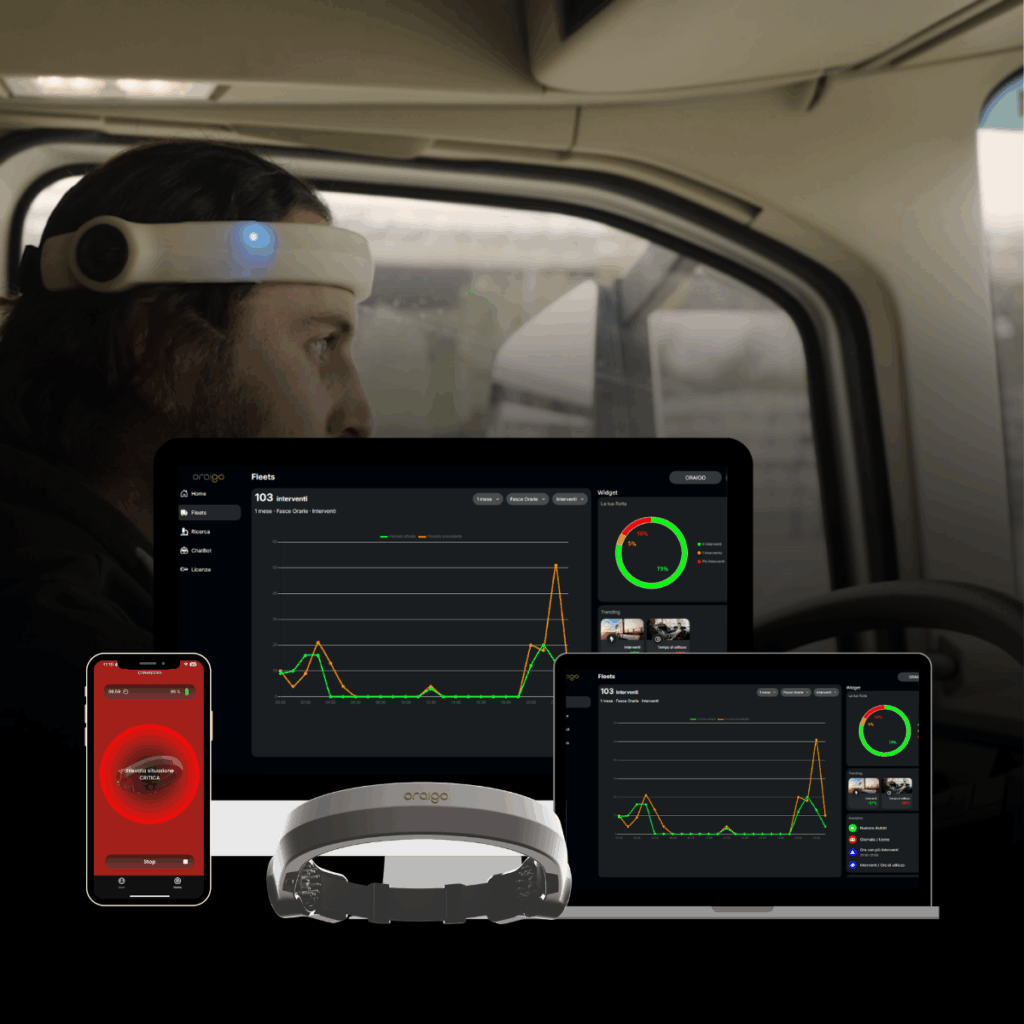
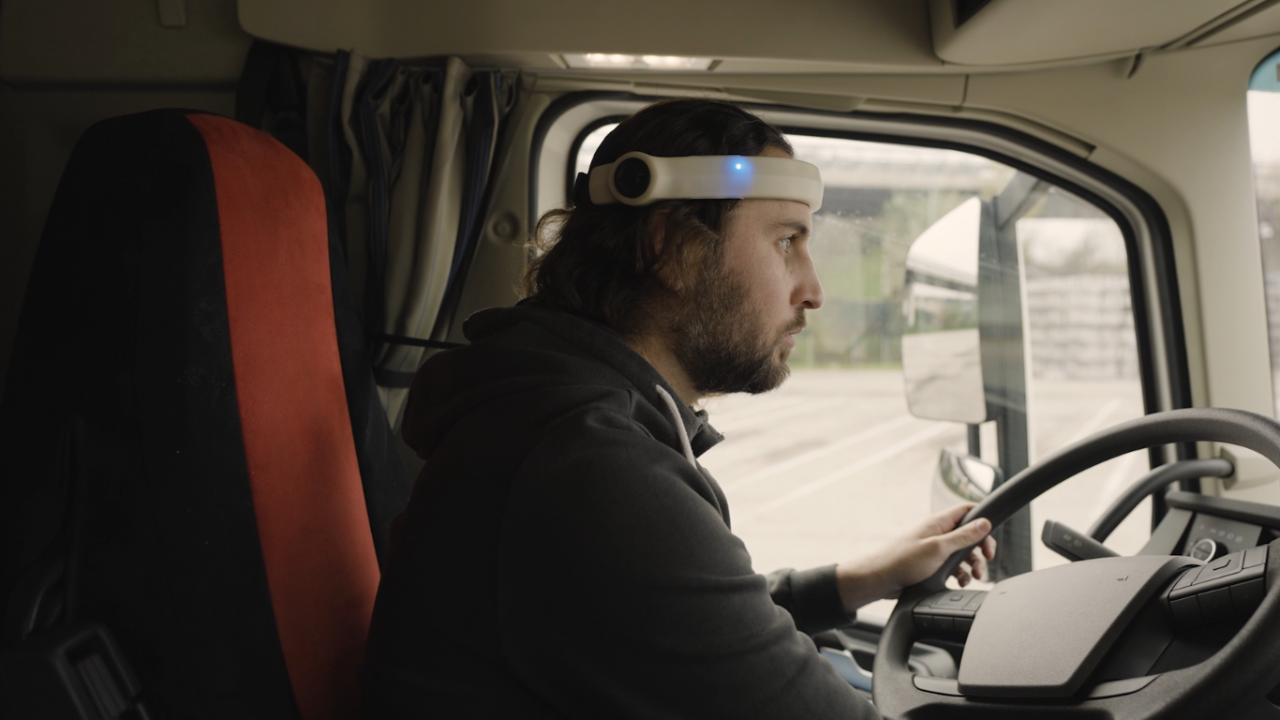
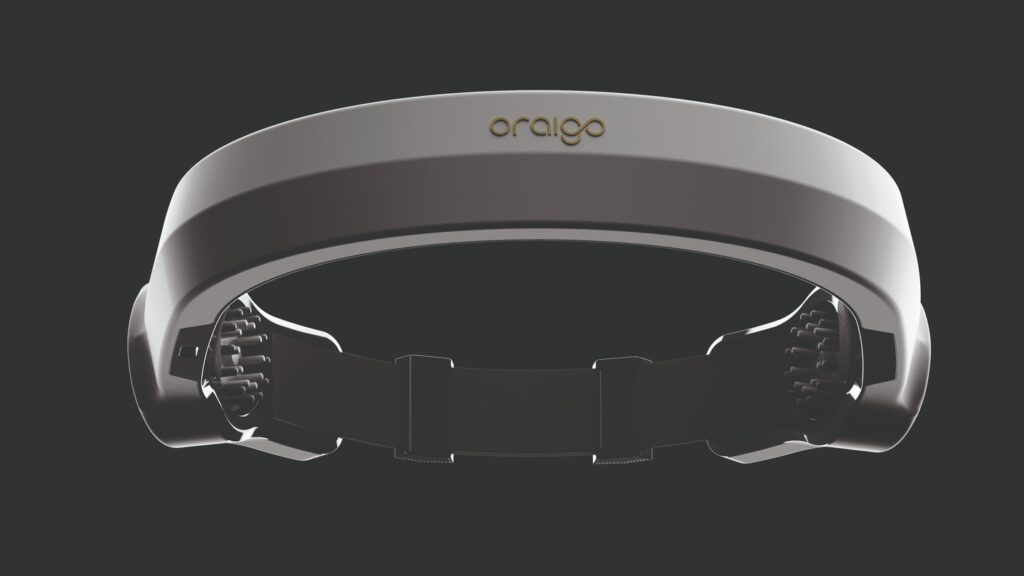
EEG-based wearables, such as the Oraigo Aigo headband, represent the most advanced approach to fatigue detection. These devices use electroencephalography (EEG) to monitor the driver’s brainwave activity in real time, identifying changes associated with drowsiness, often before the driver even feels tired.
Unlike traditional camera or motion-based systems, EEG technology measures fatigue at the neurological level, making it far more proactive. When early signs of fatigue are detected, Oraigo’s ecosystem immediately issues multi-sensory alerts (visual, audio, or vibration), giving drivers time to react safely.
Additionally, the data is seamlessly integrated into fleet management dashboards, allowing supervisors to monitor fatigue trends, optimize shift schedules, and prevent dangerous situations before they occur.
Camera-Based Systems
Camera-based fatigue detection systems rely on AI-powered facial recognition and eye-tracking to assess signs of drowsiness. They detect indicators such as slow eye blinks, yawning, or head-nodding to trigger real-time alerts.
These systems are widely used due to their visual accuracy and fleet-wide monitoring capabilities. However, they have limitations. In fact, their performance can be affected by poor lighting, sunglasses, or privacy regulations, which makes them more suitable for enclosed or controlled fleet environments rather than individual use. In addition, they can only detect fatigue once it shows visible signs on the driver, making its detection much slower than physiological-based systems.
Vehicle-Based Systems
Vehicle-integrated fatigue systems monitor lane deviation, steering input patterns, and pedal activity to infer driver fatigue. When irregularities are detected, automated alerts notify drivers to take a break.
These tools are easy to install and often come built into modern truck telematics systems. However, like image-based systems, they only identify fatigue after behavioral signs appear, meaning they react rather than prevent. While they serve as useful backup tools, fleets seeking proactive prevention should combine them with physiological-based systems for optimal safety.
Combining Tools for Maximum Effectiveness
In order to maximize safety and precaution, a multi-modal approach would deliver the highest level of safety and precaution. Combining EEG-based monitoring with camera systems or vehicle sensors allows fleets to detect both physiological and behavioral indicators of fatigue with far greater accuracy. EEG identifies early neurological signs, while cameras and vehicle data confirm visual and performance cues. This layered strategy creates a comprehensive safety net, minimizing false alarms and ensuring drivers get alerts before risks escalate. The key is proactive prevention, not reaction: catching fatigue before it becomes a danger on the road.
Best Practices for Implementing Truck Driver Fatigue Monitoring
Successful fatigue management starts with a well-planned rollout. Begin by launching a pilot program across a small segment of your fleet to evaluate performance and gather feedback. This allows managers to understand real-world fatigue patterns and tailor implementation strategies accordingly.
Next, train both drivers and supervisors on how to properly use truck driver fatigue monitoring tools, whether they’re EEG-based systems like Oraigo, camera-based solutions, or vehicle-integrated alerts. Education helps drivers view these technologies as safety allies rather than surveillance tools. Drivers have the right to know how their private and sensitive information is being treated. This is why respectable detection systems, such as Oraigo, anonymize driver data and comply with the highest protection regulations, in our case the General Data Protection Regulation (GDPR).
Integrate your truck driver fatigue monitoring system with existing telematics and safety protocols to centralize data and streamline response workflows. Regularly analyze collected data to optimize shift schedules, identify high-risk routes, and reduce fatigue-related incidents.
Beyond technology, promote a culture of rest and wellness: encourage regular breaks, proper sleep, and healthy routines that support alertness on the road.
For fleets ready to move from theory to action, Oraigo offers tailored pilot programs that demonstrate the power of real-time brainwave monitoring in preventing fatigue before it turns dangerous.

Driving Toward a Safer Future
Truck driver fatigue monitoring is no longer optional, it’s essential for ensuring safety, efficiency, and compliance across modern fleets. With technologies like EEG-based brainwave monitoring, companies can move beyond reactive alerts to proactive prevention, identifying fatigue before it becomes a risk.
Forward-thinking fleets are already embracing these tools to protect their drivers, vehicles, and reputation.
Interested in implementing real-time truck driver fatigue monitoring in your fleet?
Discover how Oraigo’s brainwave technology can prevent accidents and improve driver wellbeing.
Visit oraigo.com or book your slot to talk to one of our specialists to get started!