

The €50 Billion Question Nobody Wants to Answer
Sarah Martinez was reviewing her fleet safety monitoring system dashboard at 5:47 AM when the alert came through. One of her drivers, Tom—a 15-year veteran with a spotless record—was showing dangerous fatigue patterns on the A2 motorway near Amsterdam. The fleet safety monitoring system had detected microsleep indicators 18 minutes before Tom himself felt drowsy.
The intervention saved three lives that morning. Maybe more.
This scene plays out thousands of times daily across modern fleets using advanced fleet safety monitoring systems. Yet most companies are still flying blind, hoping experience and coffee will keep their drivers safe. They’re gambling with a €50 billion annual problem—the cost of commercial vehicle accidents to European employers.
Here’s the uncomfortable truth: If you’re managing a fleet without a comprehensive fleet safety monitoring system in 2025, you’re not just behind the curve. You’re playing Russian roulette with loaded chambers.
The Day Everything Changed for European Transport Solutions
“I thought fleet safety monitoring systems were just expensive spy equipment,” admits Robert Chen, VP of Operations at European Transport Solutions. “Then we lost three lorries in one week. Not to mechanical failures. Not to weather. To something our fleet safety monitoring system could have prevented—microsleeps.”
The first accident happened on a Tuesday. Experienced driver, clear weather, straight motorway on the M25. The investigation revealed he’d been unconscious for 3.2 seconds—enough time for his 40-tonne lorry to travel the length of a football pitch.
The second accident happened Thursday. Different driver, different country, same invisible enemy—this time on the Autobahn near Frankfurt.
By Friday, Robert was on the phone with Oraigo, desperate for a fleet safety monitoring system that could see what his drivers couldn’t—their own brain waves predicting danger.
Six months later? Zero fatigue-related accidents. Insurance premiums down 32%. And something nobody expected: his drivers were asking to take their fleet safety monitoring system devices home for personal vehicles.
What Modern Fleet Safety Monitoring Systems Actually Do
Forget everything you think you know about fleet safety monitoring systems. This isn’t about GPS dots on a map or cameras watching drivers yawn. Modern fleet safety monitoring systems are neuroscience laboratories on wheels, processing more data in an hour than a human manager could analyze in a year.
Your Brain Betrays You First
Here’s what happens when fatigue strikes—and what fleet safety monitoring systems detect that humans can’t:
- Your brain’s theta waves spike (invisible to you). The fleet safety monitoring system catches it immediately.
- Reaction time degrades by 50% (you feel fine). The system is already calculating intervention protocols.
- Microsleeps begin (your eyes are still open). The fleet safety monitoring system triggers multi-sensory alerts.
- Without a fleet safety monitoring system, you’re unconscious at 110 km/h.
“Traditional fleet safety monitoring systems watched for symptoms,” explains Dr. James Patterson, who advises FTSE 100 companies on fleet safety compliance. “Modern fleet safety monitoring systems detect the disease itself—at the neurological level.”
The Features That Save Lives (And Companies)
Real-Time Brain Monitoring: The Fleet Safety Monitoring System Revolution
When Italgas implemented EEG-based fleet safety monitoring systems across their 3,000-vehicle fleet operating throughout Italy, engineers predicted 10% safety improvement. The actual result? 25% accident reduction in six months.
The secret? Their fleet safety monitoring system doesn’t guess when drivers are tired—it knows.
Using the same electroencephalography technology used in brain surgery, these fleet safety monitoring systems detect:
- Delta waves indicating deep fatigue
- Theta patterns preceding microsleeps
- Attention lapses before they affect driving
- Cognitive overload in complex traffic
“Our old fleet safety monitoring system would alert us after a driver’s head nodded,” says Maria Gonzalez, Italgas fleet manager. “Our new fleet safety monitoring system alerts us 20 minutes before the head nod would happen. That’s the difference between prevention and disaster.”
The Alert Symphony That Cuts Through Everything
A fleet safety monitoring system detecting danger doesn’t politely tap you on the shoulder. It orchestrates a sensory assault impossible to ignore:
Visual: Dashboard lights explode in patterns designed by neuroscientists to trigger immediate attention.
Auditory: Frequencies specifically chosen to penetrate road noise and music, using patterns that bypass conscious processing and trigger instinctive responses.
Haptic: Seat vibrations and wearable feedback that work even when drivers can’t hear or see warnings.
One driver described his fleet safety monitoring system alert: “It’s like your mother, drill sergeant, and guardian angel all screaming at once. You can’t ignore it. You wouldn’t want to.”
Behavioral Analytics That See Patterns Humans Miss
Jennifer was European Transport Solutions’ safest driver. Twenty-two years, zero accidents. The fleet safety monitoring system flagged her as high-risk.
Management almost ignored it. The fleet safety monitoring system insisted.
Investigation revealed Jennifer had developed diabetes. Her afternoon blood sugar drops were creating cognitive impairment identical to intoxication. The fleet safety monitoring system caught what decades of experience couldn’t see.
“That’s when I became a true believer in fleet safety monitoring systems,” Robert Chen says. “It wasn’t about catching bad drivers. It was about protecting good drivers from invisible dangers.”
Modern fleet safety monitoring systems track:
- Acceleration patterns revealing stress or aggression
- Braking habits indicating attention levels
- Cornering forces suggesting fatigue or distraction
- Speed variations showing cognitive engagement
But here’s what makes modern fleet safety monitoring systems revolutionary: they understand context. Harsh braking in heavy Brussels traffic? Normal. The same pattern on empty Spanish highways? Your fleet safety monitoring system knows something’s wrong.
The Hidden Benefits Nobody Talks About
Fleet Safety Monitoring Systems as Profit Centers
“I bought a fleet safety monitoring system to prevent accidents,” says Continental Logistics CEO Michael O’Brien. “I didn’t expect it to pay for itself five times over.”
His fleet safety monitoring system revealed:
- Drivers taking 47% longer routes to avoid toll roads (costing more in fuel than saved in fees)
- Maintenance patterns predicting breakdowns 15 days in advance
- Idle time costing €350,000 annually
- Insurance fraud attempts the fleet safety monitoring system evidence instantly disproved
“Our fleet safety monitoring system isn’t a cost center anymore. It’s our most profitable technology investment.”
The Retention Revolution
Driver turnover plagues the transport industry—except for fleets with advanced safety monitoring systems.
Why? Ask the drivers themselves.
“My last company treated me like a criminal,” says veteran driver Marcus Williams, who drives routes from Rotterdam to Rome. “Every mistake was punishment. Here, the fleet safety monitoring system coaches me. It shows me patterns I didn’t know I had. I’m a better driver at 55 than I was at 25, thanks to our fleet safety monitoring system.”
Companies with comprehensive fleet safety monitoring systems report:
- 40% lower driver turnover
- 60% reduction in recruitment costs
- 85% driver satisfaction with safety technology
- 90% of drivers requesting fleet safety monitoring system access for personal development
The Compliance Automation Nobody Has to Think About
Remember paper tachograph records? Manual inspection reports? Working Time Directive calculations?
Modern fleet safety monitoring systems handle it all. Automatically. Accurately. Instantly audit-ready for DVSA, BAG, or any European transport authority.
“Our DVSA inspection went from three-day nightmare to two-hour formality,” reports Sandra Kim, compliance officer at British Haulage Ltd. “The fleet safety monitoring system had every document, every signature, every timestamp. The inspector actually complimented our fleet safety monitoring system organization.”
The Dark Side of Not Having Fleet Safety Monitoring Systems
Case Study: The Company That Waited Too Long
Alpine Express Shipping didn’t believe in fleet safety monitoring systems. Their CEO, proud of “traditional values,” trusted his experienced drivers over “computer nonsense.”
Then came the Christmas rush 2024.
Seven accidents in one week across the Alps and Pyrenees. Not because of weather or mountain roads. Because their exhausted drivers, pushing through the holiday rush, had no fleet safety monitoring system to warn them.
The lawsuits totaled €42 million. Insurance dropped them. European transport authorities launched investigations in three countries. The company folded within six months.
“A fleet safety monitoring system would have cost us €180,000,” the former CEO told reporters. “Not having one cost us everything.”
The Insurance Apocalypse Coming for Unmonitored Fleets
Major European insurance providers are drawing lines in the sand. By 2026, fleets without comprehensive safety monitoring systems face:
- Premium increases up to 75%
- Coverage limitations excluding fatigue-related incidents
- Mandatory retrofitting requirements under new EU regulations
- Potential policy cancellations
“We can’t insure what we can’t measure,” explains Patricia Roberts, commercial underwriting director at a major European insurer. “Fleet safety monitoring systems provide the data we need. Without them, fleets are uninsurable risks.”
Real Companies, Real Results: Fleet Safety Monitoring System Success Stories
Italgas: From Skeptic to Evangelist
3,000 vehicles. 2,500 drivers operating across Italy’s challenging terrain. Zero patience for “theoretical safety improvements.”
Italgas needed proof that fleet safety monitoring systems worked. They got it:
- Month 1: 47 prevented microsleep events detected by their fleet safety monitoring system
- Month 3: Insurance premiums reduced by 30%
- Month 6: Zero fatigue-related accidents (previous average: 3-4 monthly)
- Month 12: Fleet safety monitoring system ROI exceeded 400%
“We thought we were buying a fleet safety monitoring system,” says operations director Giuseppe Marino. “We actually bought a competitive advantage.”
Continental Logistics: The Small Fleet That Competed with Giants
With just 50 lorries competing against thousand-vehicle fleets, Continental Logistics needed every edge. Their fleet safety monitoring system became their secret weapon:
- Accident rate: 75% lower than industry average
- Insurance costs: 40% below competitors
- Driver retention: 90% (EU industry average: 60%)
- Customer satisfaction: 98% on-time delivery
“Our fleet safety monitoring system let us guarantee safety standards our bigger competitors couldn’t match,” CEO Michael O’Brien explains. “We win contracts because clients know our fleet safety monitoring system protects their cargo and reputation.”
Implementing Fleet Safety Monitoring Systems Without the Pain
The Mistake Everyone Makes (And How to Avoid It)
“Most companies drop fleet safety monitoring systems on drivers like bombs,” warns change management consultant Dr. Rachel Torres. “Then they wonder why drivers resist.”
Successful fleet safety monitoring system implementation follows a different path:
Week 1-2: Select volunteer drivers who influence others. Let them experience the fleet safety monitoring system benefits firsthand.
Week 3-4: Share success stories. When Tom’s fleet safety monitoring system prevents an accident, make him a hero, not a statistic.
Week 5-8: Gradual rollout with continuous feedback. Adjust fleet safety monitoring system sensitivity based on driver input.
Week 9-12: Full implementation with drivers trained as fleet safety monitoring system advocates, not victims.
“Our drivers went from fearing the fleet safety monitoring system to demanding it,” says Robert Chen. “The key was making them partners, not subjects.”
The Integration Blueprint That Actually Works
Your fleet safety monitoring system must talk to:
- Maintenance management systems
- Dispatch software
- Payroll platforms
- Insurance portals
- EU compliance tools (tachograph systems, AETR compliance, CMR documentation)
But here’s what nobody tells you: integration isn’t about technology. It’s about workflow.
“We spent months trying to make our fleet safety monitoring system fit our processes,” admits Maria Gonzalez. “Then we realized: our processes were the problem. The fleet safety monitoring system was showing us better ways to work.”
Modern fleet safety monitoring systems with open APIs integrate in days, not months. The right fleet safety monitoring system adapts to your operation while improving it.
The Future Is Already Here (And It’s Watching)
AI That Predicts Tomorrow’s Accidents Today
Next-generation fleet safety monitoring systems don’t just detect current fatigue—they predict future risk:
“Your fleet safety monitoring system will experience elevated fatigue risk Tuesday afternoon due to schedule patterns, weather forecasts, and historical data. Recommend route adjustment or driver substitution.”
This isn’t science fiction. Beta testers using predictive fleet safety monitoring systems report:
- 50% reduction in high-risk situations
- 30% improvement in delivery efficiency
- 45% decrease in driver stress levels
The Biometric Revolution
Today’s fleet safety monitoring systems detect fatigue. Tomorrow’s will monitor:
- Blood glucose fluctuations
- Cardiovascular irregularities
- Stress hormone levels
- Dehydration indicators
- Early illness symptoms
“Imagine fleet safety monitoring systems preventing heart attacks, not just accidents,” says Dr. Patterson. “That’s where fleet safety compliance is heading.”
Autonomous Integration
As vehicles gain self-driving capabilities under new EU autonomous vehicle regulations, fleet safety monitoring systems become even more critical:
- Monitoring driver readiness to resume control
- Assessing safe conditions for autonomous engagement
- Supervising human-machine handoffs
- Ensuring compliance with evolving EU regulations
“Fleet safety monitoring systems will bridge the gap between human and autonomous driving,” predicts Dr. Torres. “They’ll make the transition safer than either alone.”
The Business Case That Writes Itself
The Numbers Every CFO Needs to See
Average fleet safety monitoring system investment for 50-vehicle fleet: €180,000
Average first-year returns:
- Accident reduction (25% fewer incidents): €400,000 saved
- Insurance premium decrease (30%): €160,000 saved
- Fuel efficiency improvement (8%): €105,000 saved
- Reduced litigation/settlements: €270,000 saved
- Maintenance optimization: €80,000 saved
Total first-year benefit: €1,015,000 ROI: 464%
“Show me another investment with guaranteed 400%+ returns,” challenges Michael O’Brien. “Fleet safety monitoring systems aren’t expenses. They’re profit generators.”
The Hidden Costs of Waiting
Every day without fleet safety monitoring systems costs:
- Increased accident probability (1.2% daily)
- Higher insurance premiums (€450-1,800 daily)
- Compliance risk accumulation (especially with new EU safety directives)
- Competitive disadvantage deepening
- Driver recruitment challenges in tight European labour market
“The question isn’t whether you can afford a fleet safety monitoring system,” says Sandra Kim. “It’s whether you can afford not having one.”
Your Fleet Safety Monitoring System Decision: Now or Never
The European transport industry stands at an inflection point. Companies with comprehensive fleet safety monitoring systems will dominate. Those without will disappear.
It’s not about technology adoption anymore. It’s about survival.
Alpine Express Shipping thought fleet safety monitoring systems were optional. They’re gone.
European Transport Solutions embraced fleet safety monitoring systems. They’re thriving.
Italgas revolutionized their operation with fleet safety monitoring systems. They’re industry leaders.
The pattern is clear. The choice is yours.
Transform Your Fleet with Oraigo’s Revolutionary Fleet Safety Monitoring System
While others offer cameras and GPS, Oraigo delivers the only fleet safety monitoring system powered by direct brain monitoring—the gold standard in fatigue detection and fleet safety compliance across Europe.
Our comprehensive fleet safety monitoring system includes:
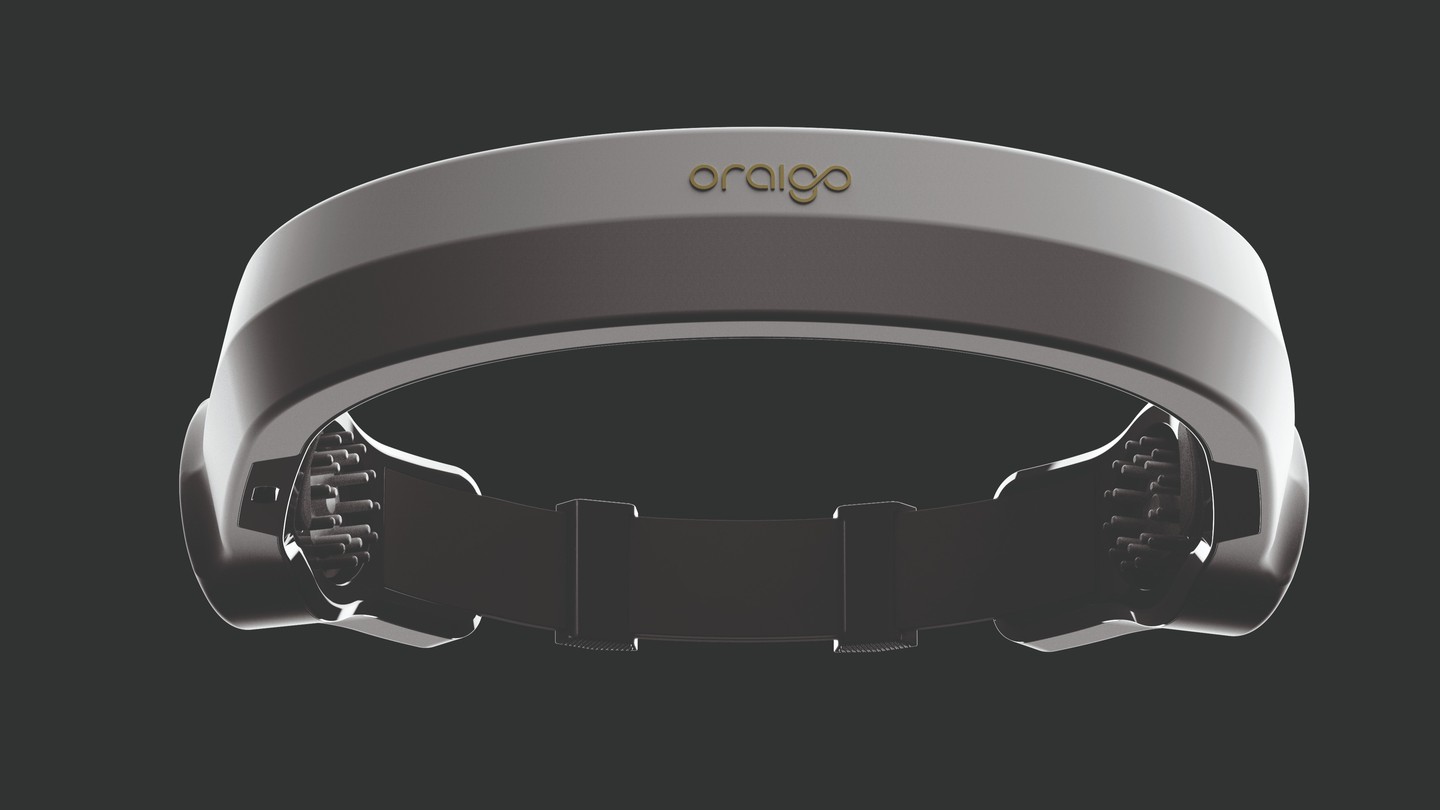
The AiGo Wearable: Lightweight EEG technology that makes fleet safety monitoring systems comfortable and accurate. Drivers forget they’re wearing it, but your fleet safety monitoring system never forgets to protect them.
Go Mobile App: Transforms smartphones into personal fleet safety monitoring system interfaces, providing real-time feedback and coaching that drivers actually appreciate.
Fleets Platform: Your complete fleet safety monitoring system command center, aggregating brain-wave data across your entire operation to identify patterns no other system can detect.
- Italgas achieved 25% accident reduction with our fleet safety monitoring system.
- European Transport Solutions saved €2.1 million in insurance alone.
- Continental Logistics competed with giants using our fleet safety monitoring system advantage.
Ready to Join the Fleet Safety Monitoring System Revolution?
Don’t wait for an accident to force your hand. Don’t let insurance companies dictate your timeline. Don’t watch competitors pull ahead with superior fleet safety monitoring systems.
Schedule Your Free Fleet Safety Monitoring System Assessment Today
Our experts will:
- Analyze your current fleet safety compliance gaps under EU regulations
- Demonstrate our revolutionary EEG-based fleet safety monitoring system
- Calculate your specific ROI from implementing our fleet safety monitoring system
- Design a custom implementation plan for your fleet safety monitoring system needs
Contact us at info@oraigo.com or visit oraigo.com
Because every day without Oraigo’s fleet safety monitoring system is a day you’re gambling with lives, money, and your company’s future.
The best fleet safety monitoring system isn’t just about compliance. It’s about coming home.
