
The Lingering Fear of All Transportation Companies: Road Accidents
One accident can cost more than a damaged vehicle.
It can trigger regulatory investigations, increase insurance premiums, expose leadership to legal scrutiny, and permanently damage a company’s reputation. In today’s transportation environment, risk is not limited to what happens on the road. It extends into boardrooms, legal departments, and long-term commercial relationships.
Fleet operators are under growing pressure. Governments continue to tighten transportation safety regulations. Insurers demand stronger documentation and risk mitigation practices. Large clients increasingly require proof of safety performance before awarding contracts. At the same time, operational margins remain tight and delivery expectations continue to accelerate.
In this environment, fleet safety compliance is no longer a back-office function or a once-a-year audit exercise. It is a strategic pillar of operational stability.
Traditionally, compliance meant ensuring driver hours were recorded, maintenance logs were updated, and required certifications were filed correctly. While these elements remain essential, they represent only the minimum threshold. Meeting regulatory standards protects against fines. It does not automatically protect against liability.
The real question today is not simply: “Are we compliant?”
It is:
“Are we protected?”
A fleet may technically meet commercial fleet safety standards and still face preventable accidents, fatigue-related incidents, or documentation gaps that weaken its legal defense. In high-risk industries like transportation, liability often hinges not just on whether rules were followed, but on whether the company took reasonable and proactive steps to reduce foreseeable risk.
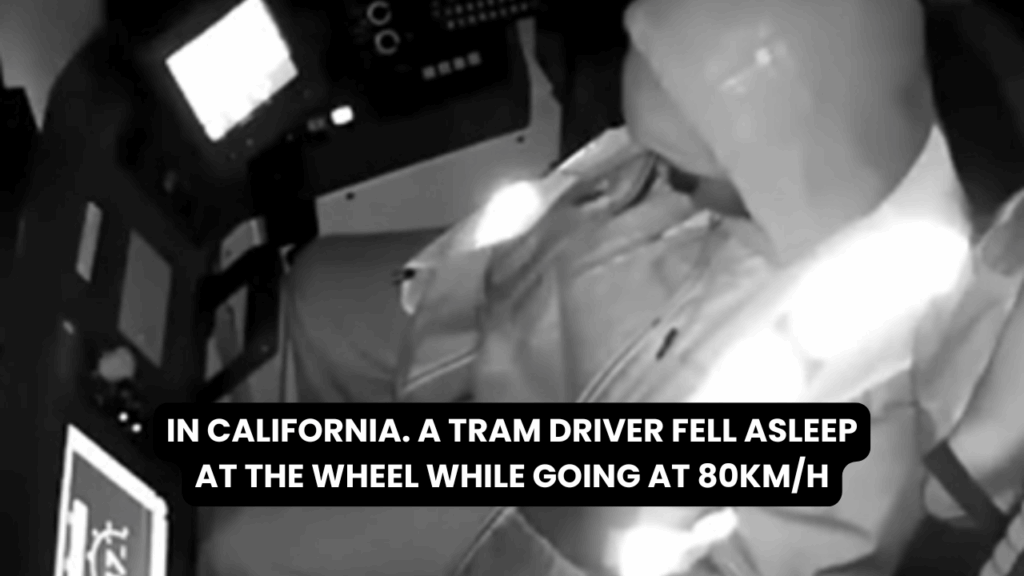
This is where fleet safety compliance must evolve from reactive box-checking to proactive risk management.
In this article, we will explore what true fleet safety compliance looks like in 2026 and beyond, why minimum compliance is not enough to reduce liability exposure, and how forward-thinking fleets are using structured frameworks and data-driven insights to protect both their drivers and their business.
Because in modern fleet operations, compliance is not just about avoiding penalties. It is about building resilience.
What Is Fleet Safety Compliance?
At its core, fleet safety compliance refers to a company’s adherence to the laws, regulations, and internal policies that govern commercial vehicle operations. But in practice, it is far more than regulatory paperwork.
Fleet safety compliance is the framework that ensures drivers, vehicles, and operational processes meet established commercial fleet safety standards designed to protect public safety, reduce accidents, and limit corporate liability.
Most regulatory bodies focus on several key areas:
- Driver working hours and rest requirements
- Vehicle inspection and maintenance documentation
- Licensing and certification standards
- Incident reporting and record retention
- Training and safety policy enforcement
These requirements exist to reduce preventable risk. However, simply having documentation in place does not automatically mean risk is under control.
Compliance as Documentation vs Compliance as Protection
Many organizations treat fleet compliance management as an administrative task. Logs are updated. Files are stored. Audits are passed.
This is compliance as documentation.
But modern fleet safety compliance requires something deeper: compliance as protection.
Protection means:
- Ensuring drivers are not only within legal hours but actually alert
- Ensuring maintenance logs reflect real vehicle safety conditions
- Ensuring policies are not only written but actively followed
- Ensuring safety culture is operational, not symbolic
In legal terms, this distinction matters.
The Expanding Scope of Compliance
Over the past decade, transportation safety regulations have evolved. Regulators increasingly expect:
- Digitized recordkeeping
- Telematics-based monitoring
- Transparent reporting systems
- Fatigue management awareness
- Data-backed decision-making
In many regions, regulators are moving away from reactive enforcement toward predictive risk oversight.
This means fleet safety compliance is no longer static. It is dynamic and continuously evaluated.
A compliant fleet today must demonstrate:
- Accountability
- Traceability
- Proactive risk identification
- Continuous improvement
Why Definition Matters
Understanding what fleet safety compliance truly encompasses changes how leadership approaches it.
If compliance is viewed as a cost center, companies aim to meet the minimum threshold.
If compliance is viewed as a risk strategy, companies aim to exceed the minimum threshold, because the cost of non-compliance is no longer limited to fines. It includes lawsuits, contract loss, executive liability, and long-term reputational damage.
In the next section, we will examine exactly what those costs look like, and why minimum compliance is often the most expensive strategy in the long run.
The True Cost of Non-Compliance
For many fleet operators, compliance is viewed as an expense line item, training costs, documentation systems, inspections, audits.
But the real financial risk lies not in compliance costs.
It lies in the cost of failing to maintain strong fleet safety compliance.
When a serious incident occurs, the impact extends far beyond immediate repairs. Non-compliance, or even perceived negligence, can trigger a chain reaction of financial, legal, and reputational consequences that compound quickly.
1. Direct Financial Penalties
Regulatory fines are the most visible consequence of non-compliance.
These may include:
- Violations of driver hour limits
- Incomplete maintenance documentation
- Missing certifications
- Failure to retain required records
- Non-compliance with transportation safety regulations
While individual fines may appear manageable, repeated violations signal systemic weakness. This often leads to increased inspection frequency, heightened scrutiny, and formal investigations.
In many jurisdictions, penalties escalate for repeat offenders. What begins as a manageable fine can evolve into operational restrictions.
But regulatory fines are only the surface-level cost.
2. Civil Liability and Litigation Exposure
The most significant financial risk emerges when an accident results in injury or loss of life.
In these cases, legal teams examine not just the driver’s behavior, but the company’s compliance history.
Questions often include:
- Were hours-of-service rules strictly monitored?
- Was fatigue risk properly managed?
- Were maintenance schedules documented and followed?
- Did the company ignore warning signs?
If weaknesses are discovered, legal exposure increases dramatically.
Even if the driver made an isolated error, gaps in fleet compliance management can shift liability toward the organization.
Large settlements and litigation costs can reach millions. More importantly, they may trigger:
- Long-term insurance premium increases
- Policy cancellations
- Contract termination by major clients
Reducing fleet liability requires more than reacting after incidents. It requires building defensible compliance systems before they are tested in court.
3. Insurance and Risk Classification
Insurance providers increasingly rely on telematics data, safety records, and documented compliance practices when calculating premiums.
A fleet with weak fleet safety compliance may be categorized as higher risk, resulting in:
- Increased premiums
- Higher deductibles
- Limited coverage options
Conversely, companies that demonstrate proactive fleet risk management often negotiate stronger terms.
Over a multi-year period, the difference in insurance costs alone can exceed the investment required to strengthen compliance systems.
4. Reputational and Commercial Impact
In today’s procurement environment, safety records influence contract decisions.
Major clients frequently require:
- Documented compliance programs
- Proof of safety monitoring
- Low incident rates
- Transparent reporting systems
A single high-profile incident can result in lost contracts or exclusion from bidding processes.
Reputation, once damaged, is difficult to rebuild.
5. Executive and Corporate Accountability
In serious cases, regulatory bodies may examine corporate leadership responsibility.
Boards and executive teams are increasingly expected to demonstrate oversight of fleet safety compliance as part of corporate governance.
This shifts compliance from operational detail to strategic leadership responsibility.
The financial logic is clear:
The cost of building a proactive compliance framework is predictable and controllable.
The cost of reactive crisis management is neither.
In the next section, we will examine the key regulatory areas fleets must actively manage to strengthen compliance and reduce exposure before problems occur.
IV. Key Regulatory Areas Fleets Must Address (350 words)
Structure this section clearly.
A. Driver Hours and Fatigue Regulations
- Driving time limits
- Rest requirements
- Driver fatigue compliance
B. Vehicle Maintenance Documentation
- Inspection logs
- Service intervals
- Audit readiness
C. Driver Training and Certification
- Ongoing training
- Safety refreshers
- Policy acknowledgment
D. Incident Reporting and Documentation
- Accurate records
- Transparency
- Legal defensibility
Insert secondary keyword:
transportation safety regulations
Make this educational, not overwhelming.
Why Meeting the Minimum Is Not Enough
Many fleets believe they are safe because they are compliant.
Driver hours are logged. Maintenance records are stored. Required certifications are up to date. Audits are passed.
On paper, everything checks out.
But here is the uncomfortable reality: meeting the minimum regulatory requirement does not automatically reduce operational risk.
Fleet safety compliance establishes a legal baseline. It does not guarantee real-world safety performance.
Compliance is the Bare Minimum
Regulations are designed to create minimum acceptable standards across the industry. They are not tailored to your specific routes, driver profiles, vehicle age, workload intensity, or fatigue patterns.
For example:
A driver may legally comply with maximum driving hours while still experiencing severe fatigue due to poor sleep quality.
A vehicle may pass inspection yet develop issues between service intervals.
A safety policy may exist in writing but fail in day-to-day execution.
When companies rely solely on regulatory thresholds, they operate at the lowest acceptable safety margin.
And in high-risk industries, the lowest acceptable margin is rarely the safest margin.
The Gap Between Legal Compliance and Operational Reality
Investigations following serious incidents often reveal a critical pattern:
The company was technically compliant, but operationally vulnerable.
This vulnerability often stems from:
- Passive monitoring instead of real-time insight
- Delayed identification of fatigue or risk patterns
- Overreliance on self-reporting
- Lack of data-driven decision-making
- Treating audits as events rather than continuous processes
Fleet compliance management should not be an annual exercise. It should be an ongoing risk evaluation system.
Companies that treat compliance as static often discover weaknesses only after something goes wrong.
Competitive Advantage Through Proactive Safety
Forward-thinking fleets understand that strong fleet safety compliance is not merely about avoiding penalties. It is about:
- Reducing incident frequency
- Strengthening legal defensibility
- Lowering insurance exposure
- Protecting brand reputation
- Improving client confidence
Clients increasingly favor partners that demonstrate proactive fleet risk management rather than reactive compliance.
In competitive bidding environments, safety performance can become a differentiator.
From Reactive to Proactive
Reactive compliance focuses on:
- Passing inspections
- Avoiding fines
- Completing required paperwork
Proactive compliance focuses on:
- Identifying risk patterns early
- Monitoring fatigue and driver alertness
- Using data to adjust schedules
- Continuously improving safety systems
The difference is strategic mindset.
Meeting the minimum keeps a fleet operational.
Exceeding the minimum keeps a fleet resilient.
In the next section, we will examine one of the most underestimated compliance risks in modern fleet operations, driver fatigue, and how it directly connects to liability exposure.

The Link Between Fatigue and Liability
Among all compliance risks facing fleet operators, driver fatigue remains one of the most underestimated, and legally complex.
Unlike speeding or vehicle defects, fatigue is not always visible. It does not leave immediate physical evidence. It develops gradually and often goes unreported.
Yet from a legal standpoint, fatigue-related incidents are increasingly difficult to defend.
Fatigue Is Predictable, And That Changes Liability
Courts and regulators treat risk differently depending on whether it is considered unforeseeable or predictable.
Mechanical failure may sometimes be unpredictable.
Driver fatigue is not.
Extensive research has established that fatigue:
- Slows reaction time
- Impairs decision-making
- Reduces situational awareness
- Increases microsleep risk
- Can impair performance similarly to alcohol
Because these effects are well documented, fatigue is considered a foreseeable operational risk in commercial transportation.
That matters legally.
If fatigue is foreseeable, then companies are expected to implement reasonable measures to manage it. This is where driver fatigue compliance becomes central to broader fleet safety compliance.
Hours of Service Is Not the Same as Fatigue Management
Many fleets rely heavily on hours-of-service regulations as their primary fatigue safeguard.
But hours logged do not equal alertness.
Two drivers may both operate within legal limits:
- One is well-rested and alert
- The other slept poorly and is cognitively impaired
Both are compliant. Only one is safe.
This gap between legal driving hours and real cognitive alertness is where liability risk quietly grows.
Following transportation safety regulations protects against administrative violations. It does not necessarily protect against negligence claims if an accident occurs and fatigue is identified as a contributing factor.
Post-Incident Investigation Reality
After a serious crash, investigators may examine:
- Driving schedules
- Rest logs
- Telematics data
- Previous fatigue complaints
- Company monitoring practices
- Internal safety policies
If evidence suggests that the company:
- Ignored warning signs
- Failed to monitor risk patterns
- Relied solely on paper compliance
- Did not implement available monitoring systems
then liability exposure increases.
Reducing fleet liability today requires demonstrating that fatigue risks were actively managed, not merely documented.
The Financial Exposure of Fatigue-Related Incidents
Fatigue-related collisions often involve:
- High-speed highway conditions
- Rear-end impacts
- Delayed braking
- Severe injury outcomes
These cases tend to attract greater legal scrutiny because fatigue implies preventability.
Insurance providers are also increasingly attentive to fatigue indicators when evaluating fleet risk management practices.
A pattern of fatigue-related incidents may result in:
- Increased premiums
- Reduced coverage options
- Stricter underwriting requirements
In some cases, a single major fatigue-related lawsuit can cost more than years of proactive monitoring investment.
From Compliance to Demonstrable Oversight
Modern fleet safety compliance must address not just whether drivers stayed within legal hours, but whether the company implemented systems to identify elevated risk conditions.
This includes:
- Monitoring alertness patterns
- Identifying high-risk time windows
- Encouraging early fatigue reporting
- Using data to adjust scheduling practices
- Creating a culture where fatigue is treated as a safety signal, not a weakness
The shift is subtle but powerful.
Compliance used to mean:
“We followed the rules.”
Today it increasingly means:
“We took reasonable steps to prevent foreseeable harm.”
Fatigue is foreseeable.
Therefore, fatigue management is no longer optional within serious fleet compliance management strategies.
In the next section, we will explore how fleets can build a proactive compliance framework that strengthens safety, reduces liability, and improves operational resilience at scale.
Building a Proactive Fleet Compliance Framework
If minimum compliance keeps a fleet operational, proactive compliance keeps it protected.
A strong fleet safety compliance framework is not built around reacting to inspections or incidents. It is built around continuous risk identification, structured oversight, and measurable accountability.
The goal is simple: reduce preventable exposure before it becomes financial or legal damage.
Here is what a modern, proactive framework looks like.
1. Clear, Operational Safety Policies
Every fleet has policies. Not every fleet has operationalized policies.
Written guidelines must go beyond regulatory language and translate into practical expectations:
- Fatigue reporting procedures
- Clear escalation paths
- Defined break protocols
- Maintenance accountability standards
- Documentation timelines
Policies should answer not just “What is required?” but also “What happens if risk increases?”
This strengthens both internal clarity and external legal defensibility.
2. Continuous Driver Training and Reinforcement
Annual training sessions are rarely sufficient.
A proactive fleet compliance management strategy includes:
- Periodic refresher training
- Scenario-based safety discussions
- Fatigue awareness education
- Open communication forums
Drivers must understand not only the rules, but the reasoning behind them. When safety becomes cultural rather than procedural, compliance becomes self-reinforcing.
Training records also serve as critical evidence of due diligence if incidents occur.
3. Real-Time Monitoring, Not Delayed Review
Traditional compliance often relies on reviewing logs after the fact.
But retrospective review does not prevent incidents. It documents them.
Modern fleet safety compliance increasingly incorporates real-time or near-real-time monitoring to identify:
- Driver behavior anomalies
- Fatigue indicators
- Irregular risk patterns
- Emerging trends across the fleet
The shift from reactive documentation to predictive oversight significantly reduces fleet risk management exposure.
4. Digital Documentation and Audit Readiness
Paper systems introduce risk:
- Missing files
- Inconsistent records
- Delayed access
- Human error
Digital compliance systems create:
- Traceable maintenance logs
- Secure document retention
- Time-stamped policy acknowledgments
- Clear incident reporting records
In the event of a regulatory review or litigation, immediate access to structured documentation strengthens credibility and reduces uncertainty.
5. Fatigue Risk Integration
Fatigue should not be treated as a standalone concern. It should be integrated into the broader compliance framework.
This includes:
- Monitoring patterns of alertness risk
- Identifying recurring high-risk time windows
- Adjusting route planning when possible
- Encouraging early fatigue reporting without penalty
Driver fatigue compliance is becoming increasingly central to overall fleet safety compliance because of its direct link to liability exposure.
Ignoring fatigue weakens the entire framework.
6. Data-Driven Decision Making
A proactive framework relies on measurable insight.
Leadership should regularly review:
- Incident frequency and severity
- Near-miss reports
- Fatigue pattern data
- Maintenance compliance rates
- Insurance performance metrics
When compliance is measured continuously, risk can be addressed incrementally rather than catastrophically.
7. Executive Oversight and Accountability
Finally, compliance must be visible at the leadership level.
Boards and executives should:
- Review safety metrics regularly
- Understand fatigue exposure risks
- Evaluate monitoring systems
- Align compliance strategy with financial risk management
When fleet safety compliance becomes a strategic discussion rather than a siloed safety department responsibility, the organization strengthens from the top down.
The Outcome of a Structured Framework
Fleets that adopt proactive frameworks typically experience:
- Reduced incident frequency
- Stronger insurance positioning
- Improved driver trust
- Lower litigation vulnerability
- Greater client confidence
Most importantly, they move from hoping incidents do not occur to systematically reducing their probability.
In the next section, we will examine how technology supports this proactive model, and how data-driven visibility transforms compliance from administrative obligation into measurable protection.
The Role of Technology in Strengthening Fleet Safety Compliance
As fleet operations grow more complex, manual oversight becomes increasingly insufficient. Spreadsheets, paper logs, and retrospective reviews cannot provide the level of visibility required to truly reduce risk.
Technology is no longer an optional enhancement to fleet safety compliance. It is becoming its backbone.
Modern compliance environments require fleets to demonstrate not only that policies exist, but that risks are actively monitored and managed. Digital systems allow organizations to shift from static documentation to dynamic oversight.
From Recordkeeping to Real-Time Risk Awareness
Traditional compliance systems focus on record retention:
- Driver hours logged
- Maintenance documented
- Training sessions recorded
While essential, these systems often identify problems only after they occur.
Technology enables fleets to move beyond documentation toward early risk detection. Real-time data can reveal:
- Emerging fatigue patterns
- High-risk time windows
- Repeated alertness fluctuations
- Behavioral trends across the fleet
This proactive visibility strengthens fleet compliance management by demonstrating that the company is not simply reacting to events but actively working to prevent them.
Strengthening Legal Defensibility
In litigation or regulatory review, documentation is critical. But documentation supported by monitoring data is stronger.
When fleets can demonstrate:
- Continuous oversight systems
- Pattern analysis processes
- Fatigue monitoring protocols
- Data-informed scheduling adjustments
They show that reasonable preventative measures were taken.
This significantly strengthens efforts aimed at reducing fleet liability.
As expectations around transportation safety regulations evolve, companies that integrate monitoring technology into their fleet safety compliance strategy are better positioned to meet higher standards of accountability.
Supporting Drivers, Not Policing Them
One common concern around safety technology is perception.
However, when implemented correctly, monitoring systems are not about surveillance. They are about protection.
Drivers benefit from:
- Early detection of fatigue risk
- Reduced pressure to “push through” exhaustion
- Objective data that supports rest decisions
- A safer overall work environment
Technology shifts safety conversations from subjective judgment to measurable insight.
From Compliance to Prevention
Ultimately, the purpose of technology within fleet safety compliance is not to create more reports. It is to reduce incidents before they happen.
For organizations seeking greater visibility into driver alertness patterns and operational risk exposure, even a short pilot implementation can provide meaningful insight. Data-driven safety monitoring allows leadership to identify hidden vulnerabilities and address them proactively, before they escalate into costly legal or financial consequences.
Because in modern fleet operations, compliance alone is not enough. Visibility is protection.
Compliance Is a Strategy, Not a Checkbox
Fleet safety compliance has traditionally been viewed as an operational necessity, something required to pass inspections, satisfy regulators, and avoid penalties.
But in today’s transportation landscape, that view is outdated.
Compliance is no longer a passive obligation. It is an active risk strategy.
Regulatory standards establish the baseline. They define what is minimally acceptable. But true operational resilience comes from going beyond that minimum, from building systems that identify risk early, monitor fatigue patterns, document oversight, and support drivers before incidents occur.
The cost of non-compliance is obvious when fines are issued.
The cost of weak compliance becomes devastating when a preventable accident leads to litigation, reputational damage, and long-term financial exposure.
Forward-thinking fleets understand that fleet safety compliance is directly tied to:
- Liability reduction
- Insurance positioning
- Client confidence
- Executive accountability
- Brand protection
Companies that treat compliance as a strategic function, rather than an administrative task, build stronger defenses against unpredictable events. They shift from reactive damage control to proactive risk prevention.
The question leadership teams must ask is not simply:
“Are we compliant today?”
But rather:
“Can we demonstrate that we are actively reducing foreseeable risk?”
That distinction defines the future of fleet risk management.
For organizations seeking greater clarity into driver alertness, operational exposure, and fatigue-related liability risks, strengthening monitoring and data-driven oversight may be the next logical step. Even a focused evaluation or pilot initiative can reveal patterns that traditional compliance systems fail to capture.
Because in modern fleet operations, compliance protects against penalties.
Proactive compliance protects the business.