
Every driver knows the invisible toll of long shifts: the creeping fog, the slowed reactions, the exhaustion that hits before any physical signs appear. Chronic Driver fatigue isn’t just frustrating: it’s dangerous, affecting focus, safety, and life beyond the road.
Drivers like Mia are speaking up, demanding tools that give them control over their alertness and performance.
We heard them loud and clear. Oraigo’s driver fatigue detection technology does exactly that: it identifies fatigue before it sets in, helping drivers stay alert, safe, and in control, while giving fleet managers the data they need to make smarter, safer scheduling decisions.
The story of Mia, and thousands of other drivers.
Meet Mia*, a 32 year old long-haul driver and a mother of two. She knows the road like the back of her hand, but what she struggles with most isn’t traffic or deadlines: it’s the exhaustion that creeps up silently.
“Honestly,” she told us, “it could bring me so much relief! To know what are the hours of day when I am at my most alert, and when I should take a break. It could help me get over this very frustrating and ruthless cycle of fatigue.” She said after we mentioned how we have been working with drivers to help with their chronic driver fatigue.
She continues to say: “We deserve to have access to tools that support our mental and physical health. We deserve technology that gives us agency over our health, our work, and our lives. Especially as mothers and fathers who come home to our kids that also also deserve our time and attention.”
Mia’s words capture the reality of thousands of drivers. Fatigue doesn’t announce itself with a dramatic warning, it sneaks in quietly, long before physical signs appear. That subtle haze in your mind, the tiny lapse in reaction, the creeping heaviness in your eyelids: these are the moments that can turn a routine shift into a risky one. By the time a yawn or a stumble occurs, the problem is already affecting focus, safety, and performance.
For drivers like Mia, chronic driver fatigue isn’t just a work hazard. It’s a life hazard. It doesn’t end with the shift, it creeps into family dinners, quality time with your kids, and even catching u with friends (if you find the time). Chronic driver fatigue isn’t something you can “push through”, it’s relentless, frustrating, and often invisible.
That’s why drivers are speaking up. They’re asking for more than coping strategies, more than caffeine fixes and short breaks. They want tools that empower them, that give them insight into their own energy patterns, that help them make decisions about when to push forward and when to pause.
They want to reclaim their time, their safety, and their presence, for themselves, their families, and their communities.
This is where Oraigo steps in. Our neurotechnology-based solution detects fatigue before it shows physically, giving drivers like Mia early insights into alertness and energy levels. And for fleet managers, it provides meaningful data to optimize schedules and support their teams. For Mia, and every driver who’s ever felt the weight of invisible chronic driver fatigue, it’s not just technology: It’s agency over their health, work and life.
Chronic Driver Fatigue: The Impossible Battle Everyday
Mia has been driving professionally for years, navigating highways and city streets with precision. But she doesn’t just contend with traffic: she contends with fatigue, the kind that doesn’t wait for a yawn or a stumble to make itself known.
“There are days,” Mia says, “when I feel alert at first, but after a few hours, my mind feels foggy. By the time I notice, I’ve already been riding a wave of fatigue without even realizing it, which makes it so hard to snap out of.”
This is the reality for countless drivers. Chronic driver fatigue isn’t always visible, and it doesn’t always come with clear warning signs. Small lapses in focus, delayed reflexes, and mental exhaustion accumulate over hours and shifts. This quietly increases risk: not just on the road, but off it, too. And the longer the fatigue episode lasts before you are aware of it, the harder it is to manage.
What makes chronic driver fatigue especially insidious for drivers like Mia is that traditional methods,relying on breaks, caffeine, or physical cues, aren’t enough. By the time the signs are noticeable, it’s often too late to prevent errors or accidents.
Drivers like Mia want their managers and the rest of the world to know that it’s not laziness or lack of discipline; it’s a physiological and neurological reality that demands attention and smarter tools.
“Whenever I complain to my friends, they just tell me to nap more often or drink more coffee. They think they can relate but they can’t. Because their hours are the same every day: from 9 to 5. It’s just not the same for us drivers.”
Chronic driver fatigue also comes with emotional weight. Mia worries about returning home after a long shift, exhausted, knowing her kids deserve her full attention. The stress of feeling constantly drained, without insight into when her alertness peaks or wanes, adds another layer of frustration. Drivers aren’t just fighting the road, they’re fighting an invisible, relentless cycle that impacts every part of their lives.
This is why the driver community is speaking up. They want solutions that don’t just react to fatigue, they anticipate it, helping them understand their own patterns and regain control. Solutions that recognize fatigue as a real, measurable challenge, rather than something to “push through.”
For drivers like Mia, this isn’t just about performance; it’s about safety, dignity, and the chance to drive confidently, knowing their energy and focus are supported, not left to chance.
Not Fewer, but Smarter Hours.
Mia knows that no two days on the road are the same. Traffic, weather, and long schedules constantly shift the demands on her body and mind. Yet the tools available to her have always been reactive, alerts only come once fatigue has already set in. “I just want to know,” she says, “when I’m at my sharpest and when I need a break, so I can make smarter choices without waiting until it’s too late.”
Drivers like Mia aren’t asking for fewer hours, they’re asking for smarter hours, for technology that works with their natural rhythms instead of against them. They deserve systems that give them insight into their alertness, that let them plan their breaks effectively, and that help them protect their own safety while maintaining productivity.
The solution Oraigo provides, does just that.
“We at Oraigo understand that if a truck needs to arrive from point A to point B at a certain time, that this is not something we can change. We also know the transport industry is suffering from a driver shortage, just like any other industry.” Says Michele Galetta, CEO of Oraigo.
“What we also know,” he continues, “is that a 5-10 minute break, when taken at the right time, doesn’t slow down the driver. It can actually prevent missing exits, and other mistakes that often lead to tardiness.”
“Something else that we want transportation companies to know is that your reputation precedes you. If you want to maintain drivers and earn their loyalty, you have to show that you are taking measures that will support them, and provide them with safety.”
1 in 5 accidents that happen on the road, happen because of fatigue. That’s too big of a number, and yet it often goes unnoticed…
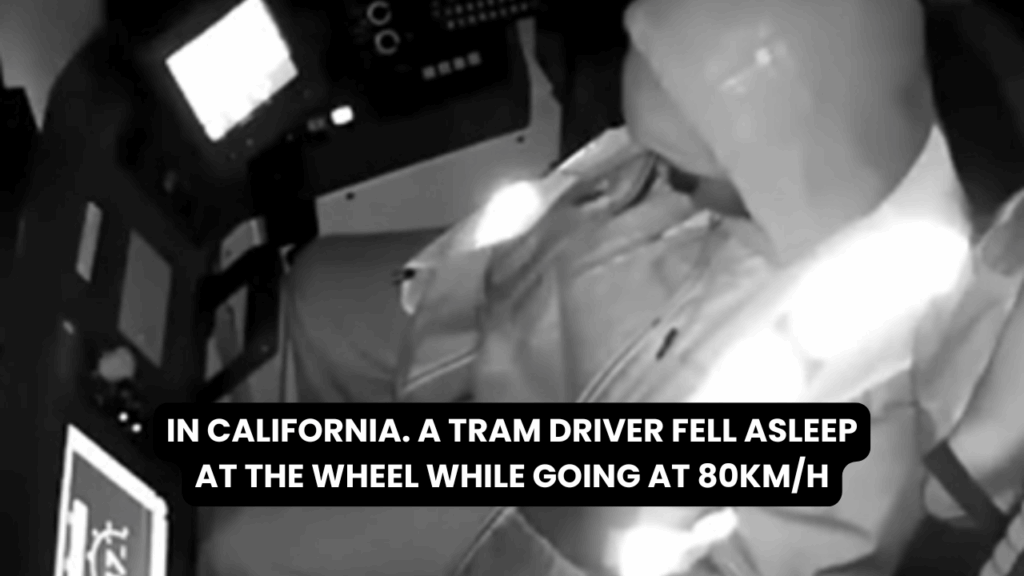
The reality is that chronic driver fatigue isn’t just an individual problem, it’s a systemic one. Fleet schedules often demand continuous performance, leaving drivers with little control over timing, rest, and recovery. Without proper insight, both drivers and fleet managers rely on guesswork, which is stressful, exhausting, and potentially dangerous. It’s no surprise that frustration, anxiety, and burnout are so common in the profession.
The good news is that technology is catching up, we just have to embrace it. Drivers deserve tools that are preventive, not reactive. They deserve solutions that give them agency rather than judgment.
For Mia, and countless others, better tools mean more than safety: they mean control, peace of mind, and the ability to show up fully, both on the road and at home.
Drivers deserve the kind of technology that respects their expertise, understands their challenges, and gives them the information they need to perform at their best while protecting their health, their families, and their livelihoods.
Introducing Oraigo: Early Driver Fatigue Detection
After years of managing long shifts, unpredictable schedules, and invisible exhaustion, drivers like Mia need more than advice: they need real solutions that work in real time. That’s where Oraigo comes in.
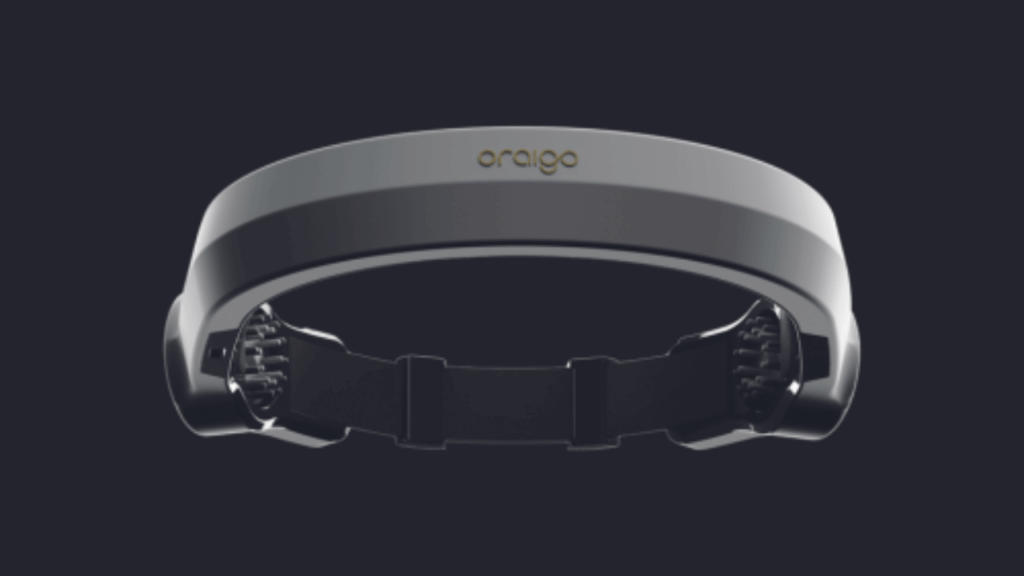
Oraigo’s driver fatigue detection solution is designed to detect fatigue before it even shows physically. For Mia, this means she doesn’t have to wait for the haze or heaviness to hit: she can see patterns in her alertness, understand her energy peaks, and take breaks at the optimal time. It’s proactive, not reactive.
But Oraigo doesn’t stop at the driver. Fleet managers also benefit from insightful, actionable data. Instead of relying on assumptions or after-the-fact reports, they can now understand fatigue trends across their teams, plan schedules more effectively, and make decisions that keep everyone safer and more productive. This isn’t about monitoring for the sake of monitoring: it’s about supporting drivers, empowering choices, and preventing accidents before they happen.
For Mia, the impact is immediate. Knowing when she’s at her most alert gives her confidence, reduces stress, and allows her to focus on the road without the constant worry of invisible fatigue. It also means she can return home with energy left for her kids, her family, and the life she wants to lead outside of work.
“I am very excited to try out the device for myself.” She says. “If it actually helps me understand why I am tired and how to fix it, it would honestly change my life!”
Oraigo transforms fatigue from an unpredictable threat into understandable, manageable insight. It gives drivers like Mia the agency they’ve been asking for for years, a tool that works with their natural rhythms, respects their expertise, and makes every shift safer, smarter, and more sustainable.
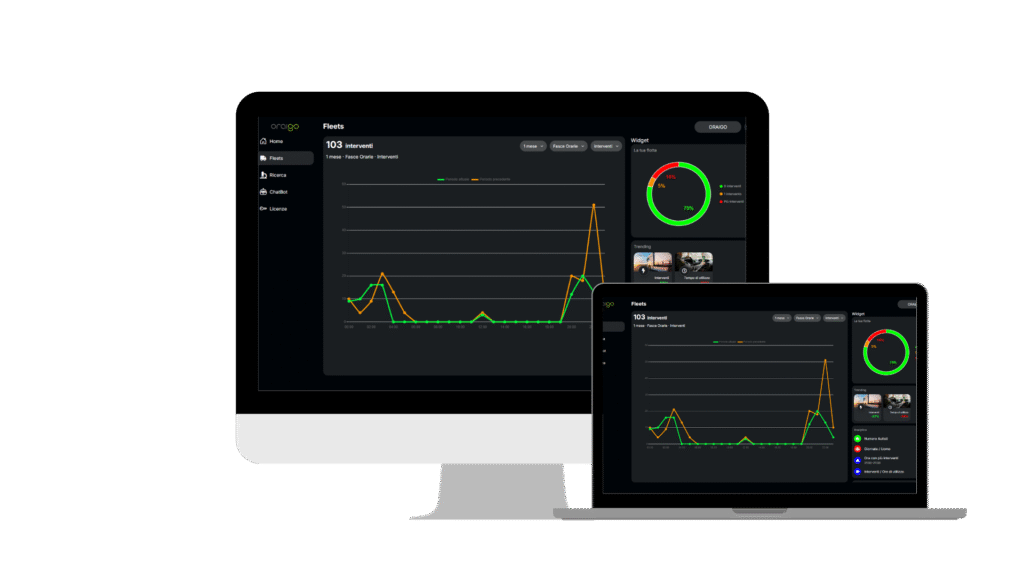
With Oraigo, your drivers’ anonymized data empower both them and the company. They exist within your driver’s brain, ready to be used to optimize your company and your drivers’ lives. All we do is unlock it for you.
Tired of being tired?
If you are a driver who wants to try our solution, email us at info@oraigo.com to learn how to start a pilot project through your company!
We want to give you the chance to take control of your driving, your time, and your life.
*The name was changed for privacy and anonymity purposes
