
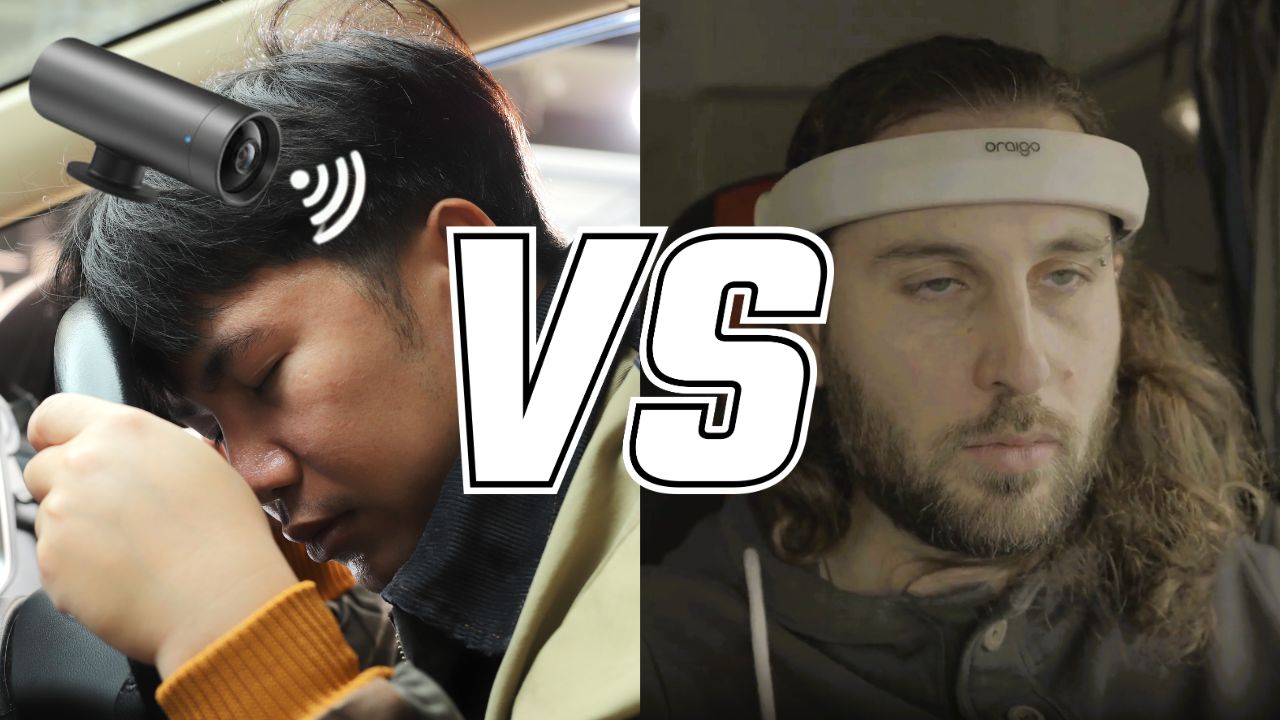
Wearable and camera-based fatigue detection systems work in fundamentally different ways, and for fleet operators investing in driver safety, understanding that difference could be the most important technical decision they make this year.
Both technologies are widely marketed as fatigue detection solutions for fleets, both generate real-time alerts, and both have established track records in commercial transport operations. But they detect fatigue at completely different stages of its development, using completely different data sources, and that gap in detection timing has direct consequences for whether a safety system genuinely prevents accidents or simply responds to them.
The question of which is better is worth asking carefully. The answer depends on what a fleet operator means by better: better at catching fatigue early, better at generating evidence after an incident, better at integrating with existing telematics infrastructure, or better at earning driver acceptance across a diverse workforce. This article works through each of those dimensions in detail, comparing camera and wearable EEG fatigue detection across the factors that matter most for fleet safety investment decisions.
What Is Fatigue Detection for Fleets and Why Does the Technology Choice Matter?
Fatigue detection for fleets refers to the systems and technologies that monitor professional drivers for signs of drowsiness and alert both the driver and fleet management before fatigue causes an accident. The technology choice matters enormously because different detection methods operate on fundamentally different timelines. A system that alerts a driver thirty seconds before impairment becomes dangerous is categorically different from a system that alerts a driver thirty seconds after visible symptoms appear. At motorway speeds, that difference is measured in the distance between a near miss and a fatal crash.
The European Road Safety Observatory estimates that fatigue contributes to approximately 20% of all fatal road accidents. For fleet operators, this translates directly into financial, legal, reputational, and human consequences that make the quality of fatigue detection technology one of the most consequential procurement decisions a safety manager can make.
How Does Camera-Based Fatigue Detection Work?
Camera-based fatigue detection works by using artificial intelligence and computer vision to monitor the driver’s face continuously for physical signs of drowsiness. The system analyses parameters including blink rate and duration, eyelid closure patterns, yawning frequency, gaze direction, and head position to build a real-time assessment of driver alertness. When the combination of these indicators crosses a defined threshold associated with significant fatigue, the system triggers an in-cab alert and logs the event for fleet review.
Modern camera systems are sophisticated and increasingly accurate. They can distinguish between a driver who blinks normally and one whose eyelids are beginning the slow, heavy closure associated with microsleep onset. They can detect the subtle forward head nod that precedes more dramatic drowsiness symptoms. And they can do all of this without requiring the driver to wear any additional equipment, which is one of their most practical advantages in fleet deployment.
Camera systems also generate video records that are valuable for post-incident analysis, driver coaching, insurance claims, and legal proceedings. For fleet managers who need evidence to support driver performance conversations or to defend against liability claims, the visual record that camera systems provide has real and tangible value beyond their alert function.
What Are the Limitations of Camera-Based Fatigue Detection?
The most significant limitation of camera-based fatigue detection is that it is inherently reactive. Cameras can only detect what is visible, and the visible physical signs of fatigue appear after the neurological reality of impairment has already taken hold. By the time a driver is yawning repeatedly, blinking slowly, or nodding forward, their reaction time has already slowed, their situational awareness has already narrowed, and their capacity to respond safely to an unexpected hazard has already been compromised. The camera has detected the symptom. The damage to cognitive performance has already been done.
Research in fatigue neuroscience consistently shows that the neurological transition from full alertness to meaningful impairment begins well before any physical signs are detectable. EEG studies have demonstrated that measurable changes in brainwave activity associated with drowsiness precede visible physical symptoms by several minutes in many cases. In a vehicle travelling at 90 kilometres per hour, several minutes of undetected neurological impairment represents an enormous and entirely unmanaged risk window.
Camera systems also face performance challenges in specific operating conditions that are common in real fleet environments. Intense sunlight and glare can affect image quality and detection accuracy. Drivers wearing sunglasses, which is entirely reasonable behaviour in bright conditions, may partially or fully obscure the facial features that camera systems depend upon. Dusty or dirty camera lenses, a routine occurrence in agricultural, construction, and long-haul freight operations, reduce detection reliability. Low light conditions during night driving, precisely when fatigue risk is highest, challenge the performance of systems that depend on adequate illumination.
Privacy is a further consideration, particularly in European markets where GDPR applies and where works councils or trade union representatives may scrutinise the continuous video monitoring of employees with significant legal and contractual leverage. Camera systems that capture facial data continuously can face genuine implementation barriers in these contexts that are not easily resolved by privacy policy adjustments alone.
How Does Wearable EEG Fatigue Detection Work?
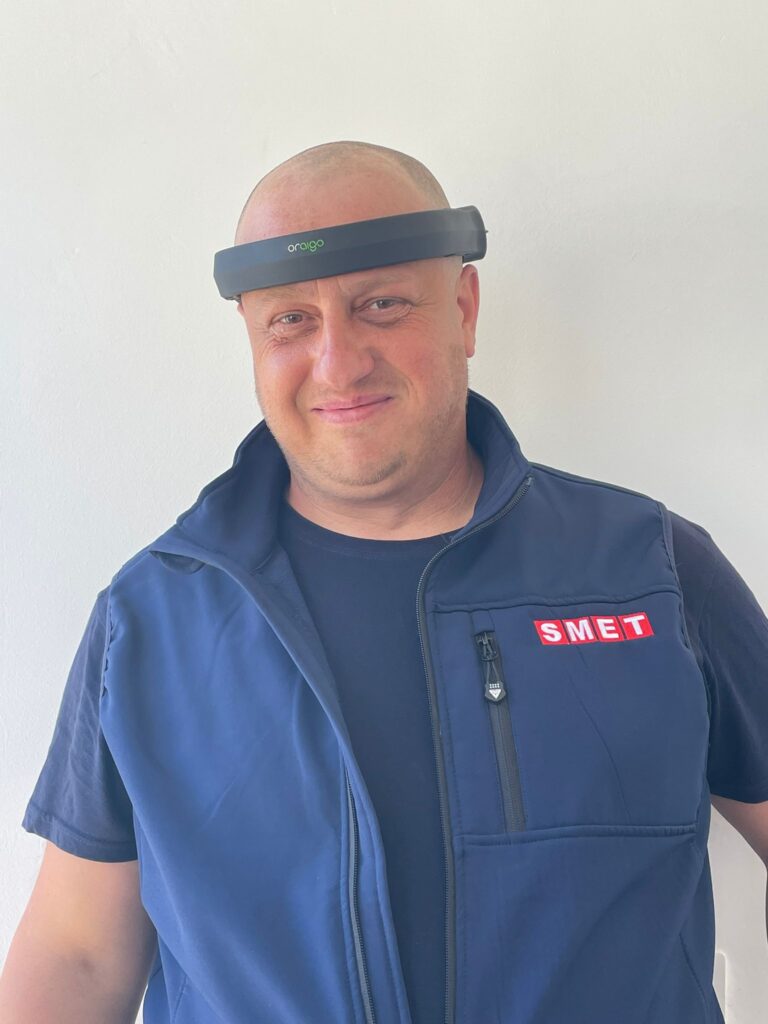
Wearable EEG fatigue detection works by monitoring the driver’s brainwave activity directly, identifying the neurological signatures of early drowsiness onset at the physiological source of fatigue rather than waiting for downstream symptoms to appear. Devices such as the Oraigo Aigo headband use EEG sensors worn during a driving shift to continuously read brainwave patterns. When the system detects the characteristic changes in brain activity that indicate the transition from alertness to early drowsiness, it immediately triggers a multi-sensory alert combining audio, visual, and vibration signals.
The neurological basis of this approach is its defining advantage. Fatigue does not begin in the eyes or the face. It begins in the brain. Monitoring the brain directly means detecting fatigue at its origin rather than at its visible expression, which translates into earlier warnings, more time for the driver to respond safely, and a genuinely preventative rather than reactive safety function.
When an alert is triggered, the driver receives an immediate prompt to take action while they still have the cognitive capacity and reaction time to do so effectively. Simultaneously, fleet managers receive a notification through an integrated dashboard that provides real-time visibility of fatigue status across the entire fleet. This dual alert architecture means that driver-level protection and fleet-level oversight operate in parallel, rather than relying on the driver alone to manage the consequences of a fatigue alert.
Over time, the neurological data generated by continuous EEG monitoring builds into a rich analytical resource that fleet managers can use to identify fatigue patterns across routes, time periods, individual drivers, and scheduling structures. This predictive intelligence is a capability that camera systems, which generate event-based records rather than continuous physiological data streams, cannot match.
What Are the Limitations of Wearable Fatigue Detection?
Wearable EEG systems require the driver to wear a device during their shift, which introduces a dimension of user compliance that camera systems do not face. A camera mounted in a cab operates regardless of driver behaviour. A wearable device must be worn correctly and consistently to function as intended. Fleet operators who deploy wearable systems need to invest in driver education, clear usage protocols, and ongoing compliance monitoring to ensure that the technology is being used as designed.
The comfort and wearability of EEG devices has improved substantially as the technology has matured, and modern devices like the Aigo headband are designed for extended wear during working shifts. Nevertheless, driver acceptance remains a factor that requires active management rather than assumption, particularly in the early stages of deployment when drivers are adapting to a new element of their working routine.
The upfront investment in wearable EEG systems can also be higher than entry-level camera solutions, though this comparison must be made in the context of the full cost-benefit analysis that includes insurance savings, incident cost reduction, legal liability management, and the operational value of fleet-wide fatigue analytics. For most fleet operators who conduct this analysis rigorously, the return on investment from genuine fatigue prevention significantly outweighs the technology cost.
Camera vs. Wearable: A Direct Comparison for Fleet Decision-Makers
Understanding the practical differences between these two approaches requires looking at the dimensions that matter most for fleet safety investment decisions.
Detection Timing
Wearable EEG systems detect fatigue at neurological onset, before any physical signs appear. Camera systems detect fatigue after visible symptoms develop. In practical terms, EEG systems provide earlier warnings and more time for safe driver response. For fleets operating on high-speed motorways or remote routes where safe stopping opportunities are limited, this timing advantage is critical.
Accuracy and False Positives
Both technologies have matured significantly in accuracy, but they make different types of errors. Camera systems can be triggered by innocent facial movements or compromised by environmental conditions including lighting, sunglasses, and lens contamination. EEG systems monitor a physiological signal that is not affected by lighting conditions or driver behaviour during the measurement process, making them more consistent across varied operating environments.
Data Quality and Analytical Value
Wearable EEG systems generate continuous physiological data that can be analysed over time to reveal fatigue patterns across routes, schedules, and individual drivers. Camera systems generate event-based records triggered by detected symptoms. For fleet operators seeking to use fatigue data to improve scheduling, route design, and driver wellness programmes, the continuous physiological data from EEG monitoring provides a significantly richer analytical foundation.
Driver Privacy
EEG systems monitor brainwave activity and can be designed to anonymise sensitive biometric data in compliance with GDPR and equivalent regulations. Camera systems capture continuous facial video, which raises more complex privacy considerations in markets with strong data protection frameworks. In European fleets where works council consultation is required before introducing monitoring systems, EEG-based approaches with strong privacy credentials often face a smoother implementation path.

Operational Integration
Camera systems benefit from longer market presence and broader integration with existing telematics platforms used by fleet operators. Wearable systems are increasingly designed for seamless integration with fleet management dashboards and existing safety management infrastructure. The integration gap between the two categories has narrowed significantly and continues to close as wearable fatigue detection technology matures.
Driver Acceptance
Camera systems require no active participation from the driver beyond presence in the cab. Wearable systems require the driver to put on and wear a device, introducing a compliance dimension. Effective driver engagement and transparent communication about the protective purpose of the technology significantly improve acceptance rates for wearable systems, but this investment in communication is a real implementation requirement that fleet operators should plan for.
Which Is Better: Camera or Wearable Fatigue Detection for Fleets?
For fleets that want genuine prevention rather than reactive documentation, wearable EEG detection is the superior choice. It detects fatigue earlier, generates richer data, performs more consistently across varied environmental conditions, and addresses fatigue at its neurological source rather than its visible symptoms. For fleets operating high-risk long-haul routes, remote freight corridors, or night driving operations where the margin between fatigue onset and catastrophic consequences is narrow, the earlier detection window that EEG provides is not a marginal advantage but a fundamental safety difference.
Camera-based systems remain valuable and should not be abandoned in favour of wearables. They provide a second detection layer that captures physical fatigue indicators if a driver does not respond to an initial EEG alert, generate visual evidence records with important post-incident and coaching value, and operate as a passive safety net that functions independently of driver compliance with wearable protocols.
The most effective fatigue detection architecture for fleets combines both technologies in a layered approach: EEG wearables providing early neurological detection at the first layer, camera systems providing visible symptom detection at the second layer, and vehicle telematics providing behavioural deterioration detection at the third. This multi-modal architecture minimises both false positives and false negatives, maximises the detection window, and generates the richest possible data foundation for ongoing fatigue risk management.
How Should Fleets Get Started with Advanced Fatigue Detection?
Fleets should start with a structured pilot programme that evaluates both wearable and camera-based technologies under their specific operational conditions, with a representative selection of vehicles, routes, and drivers. A well-designed pilot generates the real-world performance data that supports confident deployment decisions, demonstrates return on investment to senior leadership, and reveals the specific fatigue patterns that exist within a fleet’s operations before those patterns produce a serious incident.
Driver engagement should begin before the pilot, not after it. Drivers who are involved in the evaluation process, whose feedback is genuinely sought and acted upon, and who understand from the outset that the technology is designed to protect them rather than monitor their performance, become advocates for adoption rather than sources of resistance.
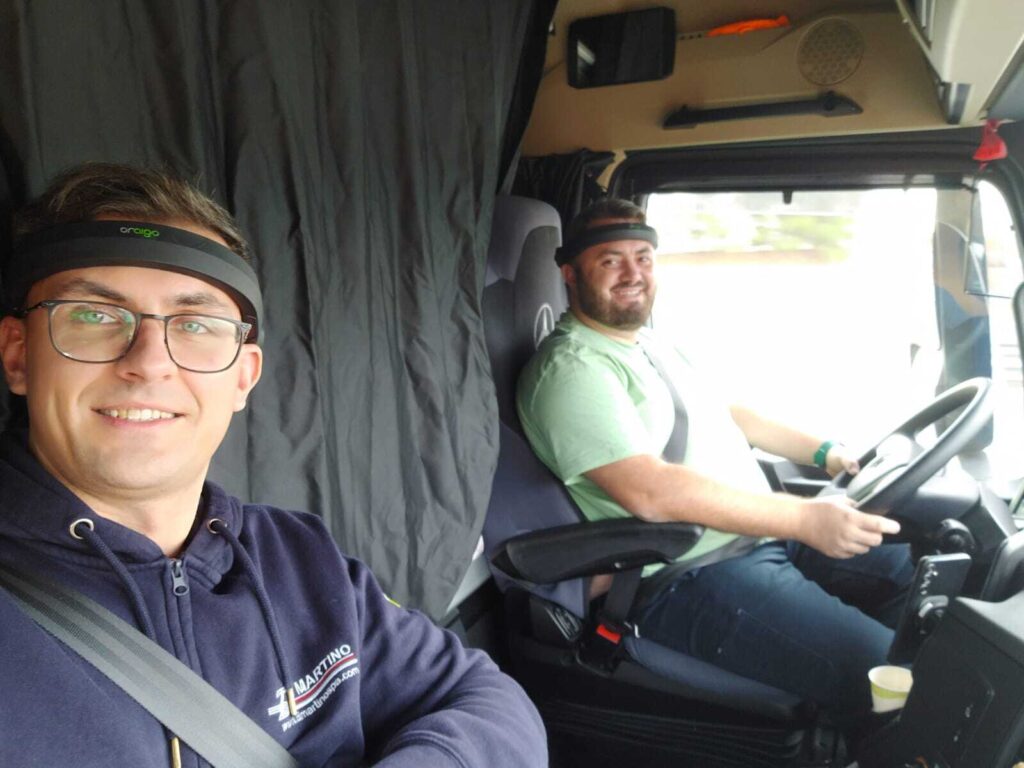
Oraigo’s EEG-based Aigo system is available for fleet operators ready to move beyond reactive detection and build a fatigue management approach grounded in genuine neurological prevention. Tailored pilot programmes are available for fleets of all sizes and operational profiles.
Visit oraigo.com or speak with one of Oraigo’s specialists to find out which fatigue detection architecture is right for your fleet and how to get started.
