Traditional driver fatigue management has many faults, gaining increasing backlash among drivers and professionals in the field. Scheduling rules, logbooks, and self-reporting systems tell fleet operators when a driver has rested, not whether that rest was restorative or whether the driver is physiologically fit to operate a vehicle safely. The gap between these two things is where fatigue-related crashes happen, and closing it requires a fundamentally different approach built on real-time physiological monitoring rather than administrative compliance.
For fleet operators who have followed every regulation, implemented every scheduling protocol, and still experienced fatigue-related incidents, this distinction is not academic. It is the difference between a safety system that manages paperwork and one that genuinely protects lives.
What Is Driver Fatigue Management and Why Does It Matter?
Driver fatigue management is the set of policies, tools, and technologies that fleet operators use to prevent driver drowsiness from causing road accidents. It matters because fatigue is one of the leading causes of serious crashes involving heavy vehicles globally, contributing to an estimated 20% of fatal road accidents according to the European Road Safety Observatory. The financial, legal, human, and reputational consequences of a serious fatigue-related incident can be catastrophic for fleet operators of any size.
Effective fatigue management is not simply about regulatory compliance. It is about ensuring that every driver who turns a key in a vehicle ignition is genuinely, physiologically capable of operating that vehicle safely for the duration of their shift. This is a much higher standard than compliance with hours of service rules, and achieving it requires tools that go beyond scheduling spreadsheets and logbook audits.
Why Traditional Driver Fatigue Management Fails
The most important question fleet managers ask about fatigue is also the most honest one: if we are already following the rules, why are incidents still happening? The answer lies in the fundamental design limitations of traditional fatigue management approaches, each of which addresses a proxy for fatigue rather than fatigue itself.
Hours of Service Rules Measure Time, Not Physiological State
Hours of service regulations, whether the EU’s Regulation 561/2006, the United States Hours of Service rules, or equivalent frameworks in Australia, Brazil, and elsewhere, were designed with genuine safety intent. Limiting driving time and mandating rest periods reduces fatigue risk on a population level. But they cannot account for the enormous individual variation in how drivers respond to work schedules, how restorative their rest periods actually are, or how underlying health conditions affect their physiological readiness to drive.
A driver who complies perfectly with all hours of service requirements may still arrive at the wheel with significant fatigue impairment. Poor sleep quality, obstructive sleep apnoea, cumulative sleep debt built over many days, circadian rhythm disruption from irregular shift patterns, and the physiological effects of environmental stressors such as extreme heat or cold can all produce meaningful neurological impairment in a driver who is technically within legal hours. The regulation has been followed. The driver is still dangerous.
Self-Reporting Is Structurally Unreliable
Many traditional fatigue management programmes rely on drivers to report their own fatigue levels, either through pre-shift assessments, wellness check-ins, or informal communication with dispatchers. The problem with this approach is well-documented in fatigue research: people are poor judges of their own fatigue state, and the impairment becomes worse as fatigue increases.
A driver who is significantly fatigued is neurologically less capable of accurately assessing their own impairment than a rested driver. Add to this the very real commercial and cultural pressures that discourage drivers from reporting fatigue, the fear of losing a load, disappointing a client, or being seen as unable to handle the demands of the job, and self-reporting becomes structurally unreliable as a safety mechanism. Asking fatigued people to accurately identify and honestly report their own fatigue is not a safety system. It is a liability shield.

Reactive Technologies Arrive Too Late
The first wave of technology-based fatigue management, camera systems that detect yawning and eye closure, and vehicle telematics that flag lane drift and steering irregularities, represented meaningful progress over pure scheduling and self-reporting approaches. These technologies removed some of the reliance on driver self-assessment and introduced objective, real-time data into fatigue management for the first time.
But they share a critical limitation: they detect fatigue only after it has progressed to the point of producing visible physical or behavioural symptoms. By the time a camera system detects prolonged eye closure or a telematics system flags repeated lane deviation, the driver’s neurological state has already deteriorated significantly. At motorway speeds, the margin between detectable impairment and a fatal crash can be measured in seconds. A technology that alerts at this stage is better than no technology at all, but it is reactive rather than preventative. It responds to danger rather than preventing it.
How Does Modern Driver Fatigue Detection Actually Work?
Modern driver fatigue detection works by monitoring the driver’s brain activity directly, identifying the neurological changes associated with drowsiness onset before any physical signs appear. This approach, based on electroencephalography or EEG technology, represents a categorical advance over all previous fatigue management methods because it monitors the actual physiological source of fatigue rather than its downstream symptoms.
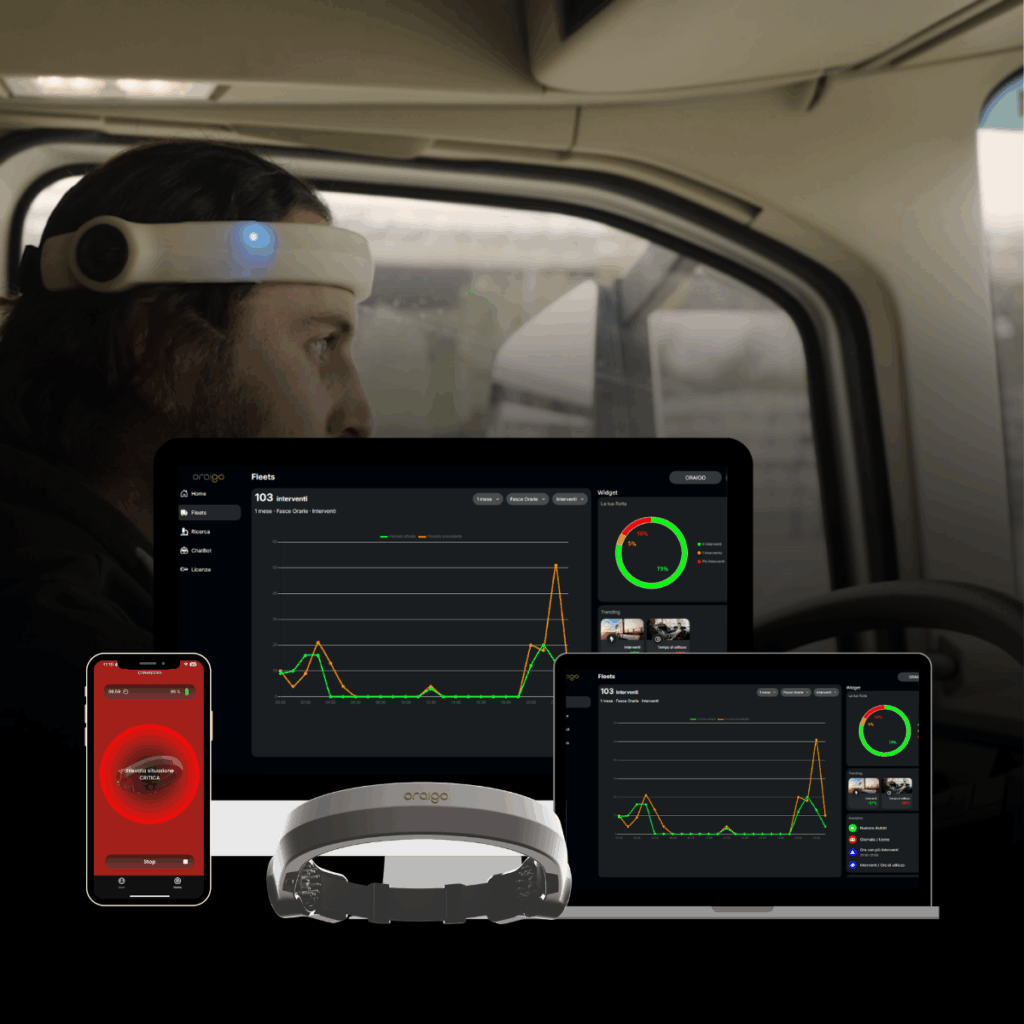
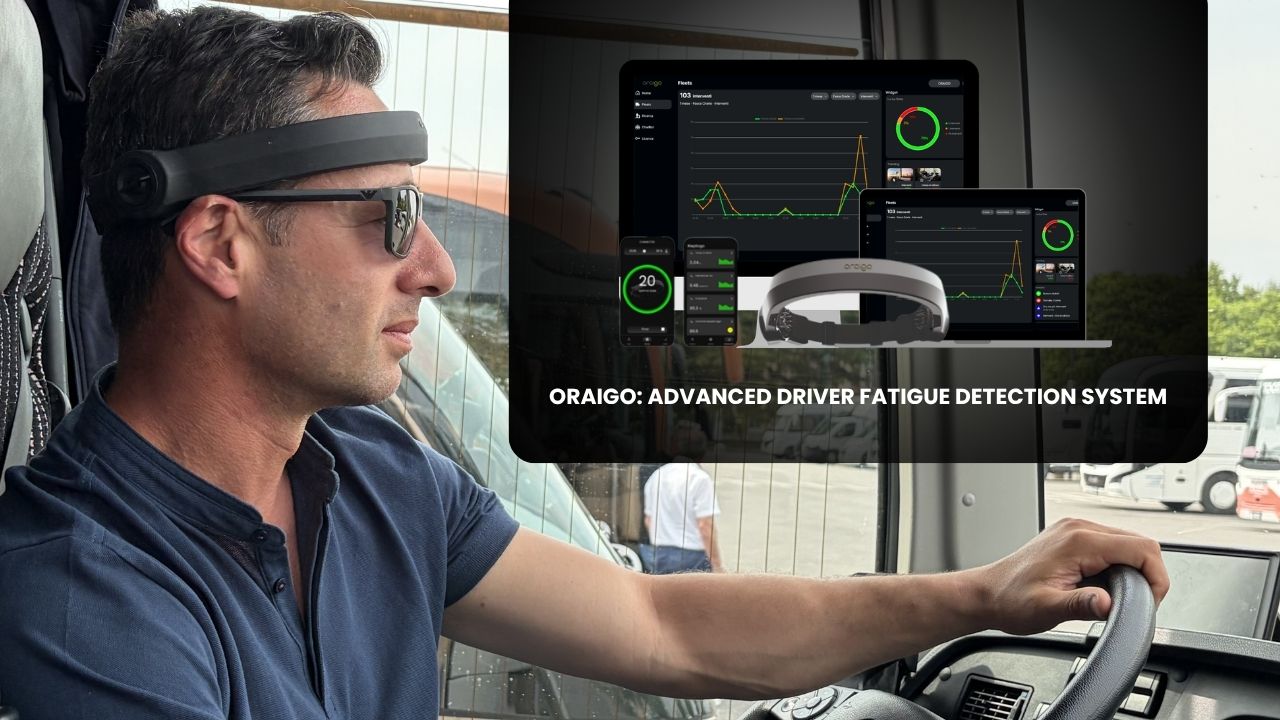
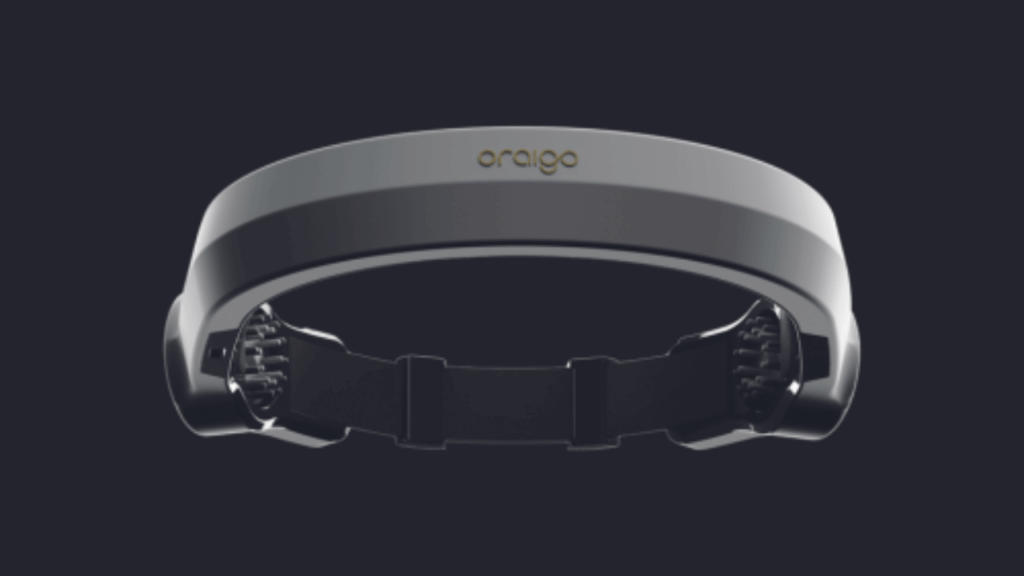
EEG-based wearable devices such as the Oraigo Aigo headband use sensors worn comfortably during a driving shift to read the driver’s brainwave patterns continuously. The transition from full neurological alertness to early drowsiness produces characteristic changes in brainwave activity that are measurable and consistent, and that occur well before the driver begins to yawn, blink slowly, or drift across lane markings. When the system detects these early neurological changes, it triggers immediate multi-sensory alerts combining audio, visual, and vibration signals, giving the driver time to respond while they are still cognitively capable of doing so safely.
This is the answer to why traditional driver fatigue management is not working. Traditional approaches measure consequences and symptoms. Modern physiological monitoring measures cause and onset. The difference in detection timing is the difference between prevention and reaction.
What Does Effective Driver Fatigue Management Look Like in Practice?
Effective driver fatigue management combines real-time physiological monitoring with fleet-wide data analytics, driver engagement, and a genuine organisational commitment to rest and wellbeing. It is not a single product or a single policy. It is a layered system that addresses fatigue at every stage of its development and across every dimension of fleet operations.
Real-Time Neurological Monitoring
The foundation of an effective fatigue management system is the ability to detect fatigue at the neurological level, in real time, before it becomes dangerous. EEG-based wearable technology provides this capability in a way that no scheduling rule or camera system can match. Fleet operators who deploy EEG monitoring gain access to a continuous stream of physiological data that tells them not when a driver last rested but how alert that driver is right now.
When early fatigue is detected, the system alerts the driver immediately and notifies the fleet management dashboard simultaneously. This dual alert structure means that drivers receive the prompt they need to take action, while fleet managers have the visibility to intervene if a driver does not respond, to reroute a vehicle, arrange driver relief, or contact the driver directly.
Fleet-Wide Fatigue Analytics
Beyond real-time detection, the data generated by physiological monitoring systems over time creates an analytical resource of extraordinary value for fleet operators. Patterns emerge that no traditional fatigue management approach could reveal: which routes consistently produce elevated fatigue levels, which time periods carry the highest neurological impairment risk, which drivers show patterns suggesting underlying sleep disorders that warrant medical referral, and which scheduling structures inadvertently compound fatigue risk across a working week.
This analytical capability transforms fatigue management from a reactive compliance exercise into a proactive, data-driven operational discipline. Fleet managers who understand where and when fatigue risk is highest in their specific operations can make smarter scheduling decisions, design better rest facility access into their routes, and allocate driver wellness support resources where they will have the greatest impact.
A Layered Detection Approach
The most effective fatigue management systems combine EEG-based physiological monitoring with camera-based facial recognition and vehicle telematics in a layered approach that monitors fatigue at multiple stages. EEG provides the earliest warning at the neurological level. Camera systems provide a second layer that captures visible physical signs if the driver does not act on the initial alert. Vehicle telematics provide a third layer that detects any resulting deterioration in driving behaviour as a further escalation signal.
This multi-modal architecture minimises both false positives, which disrupt operations and erode driver trust in the system, and false negatives, where fatigue progresses to a dangerous level without triggering an adequate alert. Each technology layer strengthens the others, and the combined data provides a safety net that is significantly more robust than any single approach.
How Should Fleet Operators Transition from Traditional to Modern Fatigue Management?
Fleet operators should transition from traditional to modern fatigue management by starting with a structured pilot programme, engaging drivers transparently in the process, and integrating new monitoring data with existing fleet management infrastructure. This transition does not require discarding existing compliance processes. It requires building on them with tools that address the fundamental gaps that compliance frameworks alone cannot fill.
Start with a Pilot Programme
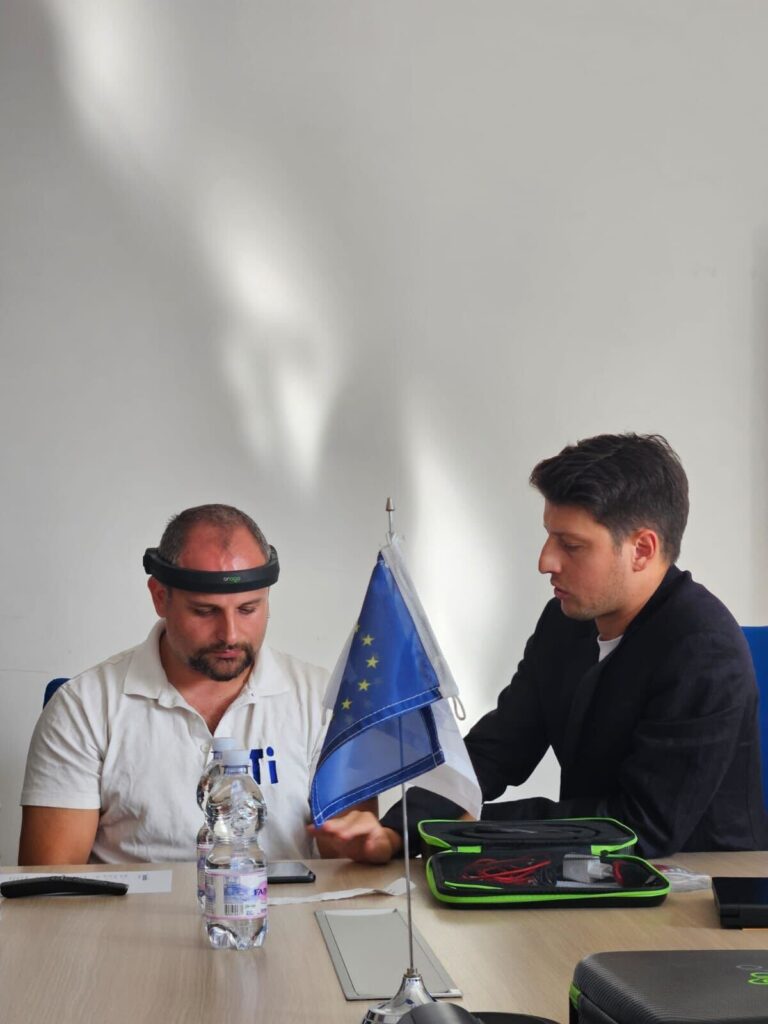
A pilot programme covering a representative selection of vehicles, routes, and drivers allows operators to evaluate the performance of physiological monitoring technology under their specific operational conditions before committing to fleet-wide deployment. The data generated during a pilot provides the internal evidence base needed to make confident investment decisions, satisfy the concerns of driver representatives and works councils where relevant, and demonstrate return on investment to senior leadership.
Pilot programmes also reveal the specific fatigue patterns that exist within a fleet’s operations, which routes carry the highest risk, which scheduling structures create the most problematic fatigue profiles, and which individual drivers may benefit from additional wellness support or medical assessment. This intelligence is valuable independently of any subsequent technology deployment decision.
Engage Drivers as Partners, Not Subjects
The single most common implementation failure in driver fatigue management technology programmes is insufficient attention to driver acceptance. Drivers who understand why monitoring technology is being introduced, what data it collects, how that data is used and protected, and how the system is designed to protect rather than surveil them are far more likely to adopt the technology genuinely and use it effectively.
Transparent communication about data privacy is particularly important. Professional drivers across every market are rightly attentive to questions about who has access to their personal and biometric data. Systems that anonymise sensitive physiological data, operate in compliance with applicable data protection regulations including GDPR in European markets, and give drivers meaningful information about their own fatigue data build the trust that makes technology adoption sustainable.
Framing fatigue monitoring as an investment in driver wellbeing, rather than a performance management tool, is not merely a communication strategy. It reflects the truth. The primary beneficiary of early fatigue detection is the driver whose life is protected by an alert that arrives before impairment becomes catastrophic.
Integrate with Existing Systems
Modern fatigue monitoring technology delivers its greatest value when it is integrated with the fleet management, telematics, and compliance reporting systems that operators already use. When fatigue data flows alongside GPS tracking, hours of service compliance records, vehicle maintenance data, and route performance information in a single management dashboard, fleet operators gain a genuinely comprehensive view of operational risk that supports smarter decisions across every dimension of their business.
This integration also strengthens the evidential value of fatigue monitoring data in the event of a regulatory investigation or legal proceeding, demonstrating that fatigue management is embedded within a coherent and systematic safety management approach rather than treated as a standalone compliance add-on.
What Is the Best Driver Fatigue Management Solution Available Today?
The best driver fatigue management solution available today combines EEG-based physiological monitoring with fleet-wide analytics and a multi-modal detection architecture that addresses fatigue at its neurological source rather than waiting for visible symptoms to appear. Oraigo’s Aigo headband represents this standard of technology, providing continuous brainwave monitoring, real-time alerts, and integrated fleet dashboard visibility in a system designed specifically for the demanding conditions of professional road transport.
For fleet operators who have relied on scheduling rules and reactive technologies and who have still experienced fatigue-related incidents, the transition to physiological monitoring is not a marginal improvement. It is a fundamental shift in the logic of fatigue management, from measuring time to measuring the brain, from reacting to symptoms to detecting causes, from administrative compliance to genuine prevention.
The road safety challenge that driver fatigue presents will not be solved by better logbooks or more sophisticated camera angles. It will be solved by technologies that monitor what actually matters: the neurological state of the person behind the wheel.
Taking the Next Step
Traditional driver fatigue management has delivered real benefits but has reached the limits of what time-based rules and reactive detection can achieve. The evidence is in the incident statistics of fleets that comply fully with every regulation and still experience fatigue-related crashes. The solution is available, proven, and deployable now.
Oraigo offers tailored pilot programmes that allow fleet operators to experience the difference that real-time neurological fatigue monitoring makes in their specific operational environment, with the data, support, and expertise needed to build a fatigue management system that genuinely protects drivers and fleets.
Visit oraigo.com or speak with one of Oraigo’s specialists to begin building a fatigue management approach that works.